The Altra Lone Peak 8 vs Topo Terraventure 4 debate matters most to runners and hikers stepping down from a traditional 8-10 mm heel-to-toe drop. Both shoes land at 0 mm drop, both prioritize foot-shaped toe boxes, and both cushion enough for long days on rough trail. The honest answer: the Lone Peak 8 is the wider, softer, more forgiving introduction to zero drop, while the Terraventure 4 keeps a slightly more structured ride and tighter midfoot that runners with narrow heels tend to prefer. Read on for the side-by-side that helps zero drop transitioners pick correctly the first time.
Why the transition to zero drop is the hard part
Top Picks
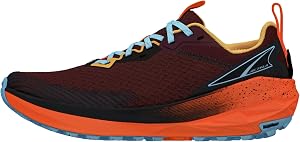
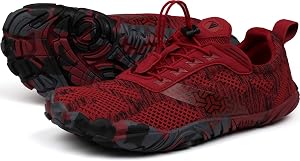
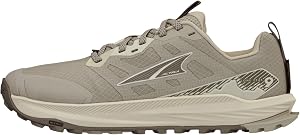
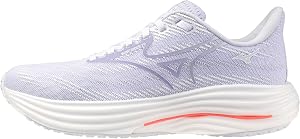
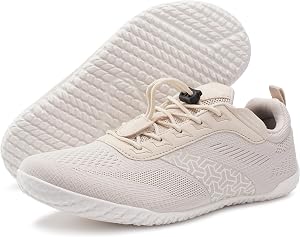
The drop isn't just a geometry number — it's a calf, Achilles, and arch load redistribution. A runner moving from a 10 mm drop daily trainer into a 0 mm shoe is asking the posterior chain to absorb roughly 8-12% more stretch per step. For zero drop transitioners, that means the shoe choice and the first 4-6 weeks of mileage matter more than the brand on the heel.
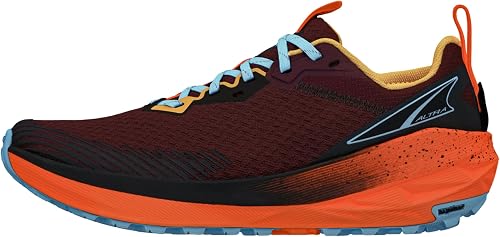
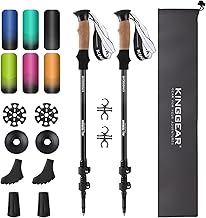
Both the Lone Peak 8 and the Terraventure 4 are deliberately built for this audience. They're not minimalist shoes — they're cushioned, foot-shaped, zero drop trail shoes that bridge the gap between maximalist trainers and barefoot-style ground feel. Pick the wrong one and you'll either feel cramped (too narrow) or untethered (too sloppy). Pick the right one and you'll forget you're transitioning by week three.
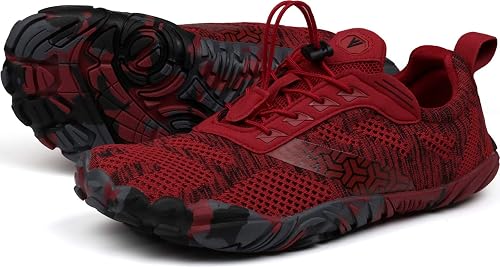
Altra Lone Peak 8: the wide, forgiving doorway
The Lone Peak 8 carries forward Altra's signature FootShape toe box at its widest spec in the lineup, with Altra EGO foam delivering 25 mm of stack at the heel and 25 mm at the forefoot. The MaxTrac outsole runs a trail-grippy lug pattern that holds up on packed dirt, wet roots, and granite slab. The upper went lighter for 2026, with a more breathable engineered mesh and a redesigned tongue gusset that stops scree from working its way in.
For a zero drop transitioner with a wide forefoot, bunion sensitivity, or a foot that just hates being squeezed, the Lone Peak 8 is the obvious starting point. The catch: the wide platform plus the soft EGO foam can feel less precise on technical descents than a narrower trail racer. If you're transitioning specifically to get a more responsive run feel, the Lone Peak may feel like a couch under your foot on faster efforts.
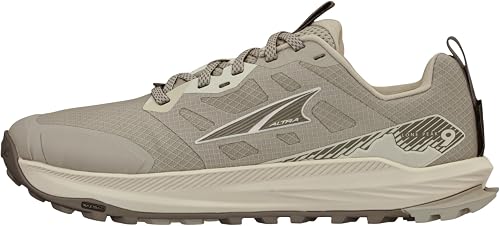
Read the full Lone Peak 8 review for thru-hiking distances if your transition is going to happen over 200+ miles of long days.
Topo Terraventure 4: the structured, slightly snappier zero drop
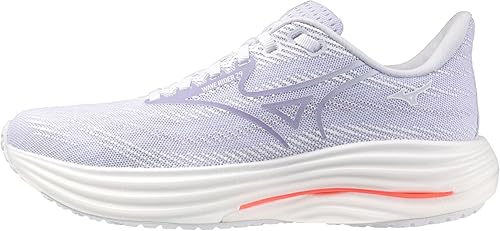
The Terraventure 4 is Topo's mid-cushion trail shoe with a 25 mm / 25 mm stack and Topo's signature anatomical toe box — wide, but not as wide as Altra. The midsole uses a slightly firmer compound that translates to better ground feel and more responsive turnover on faster trail efforts. A protective rock plate in the forefoot is more pronounced than the Lone Peak's, which makes it a better pick if you run rocky New England or Sierra-style trails.
The midfoot hold is the real differentiator. Topo's last is shaped so the heel cup and arch wrap secure the foot before the toes splay forward. Runners with narrow heels who slid around in the Lone Peak almost universally lock in better in the Terraventure. The trade-off: less room for swelling on hot 20+ mile days, and the firmer ride punishes lazy form more than the Altra does when you're tired late in a long run.
Side-by-side comparison
| Spec | Altra Lone Peak 8 | Topo Terraventure 4 |
|---|---|---|
| Heel-to-toe drop | 0 mm | 0 mm |
| Stack height | 25 mm / 25 mm | 25 mm / 25 mm |
| Toe box width | Widest in category | Wide, more anatomical |
| Midsole feel | Soft, plush (Altra EGO) | Firmer, more responsive |
| Rock plate | StoneGuard (light) | Forefoot plate (more protective) |
| Outsole grip | MaxTrac, 4 mm lugs | Vibram XS Trek EVO |
| Weight (M9) | ~10.6 oz | ~10.3 oz |
| Best for | Wide feet, long days, thru-hiking | Narrow heels, technical trail, faster pace |
| 2026 retail | $140 | $140 |
Which zero drop transitioner are you?
The Altra Lone Peak 8 vs Topo Terraventure 4 question almost always reduces to two variables: foot shape and transition goal. Identify yours and the pick becomes obvious.
Pick the Lone Peak 8 if: your forefoot is wider than EE, you've been told you have "duck feet," you're transitioning because you want natural toe splay and bunion comfort, you do mostly hiking or ultra-distance running on non-technical trail, or you've tried other Altras and loved the room.
Pick the Terraventure 4 if: your heel is narrow relative to your forefoot, you've had heel-slip problems in Altras, you run technical trail with sharp rock, your transition goal is responsive zero drop running rather than just "comfortable hiking," or you want a shoe that won't feel mushy by mile 18.
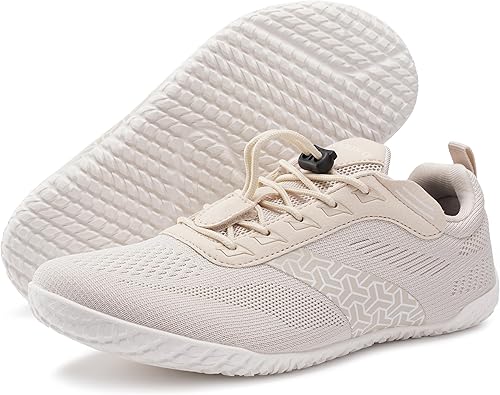
For most first-time zero drop transitioners coming from a Hoka Speedgoat or Brooks Cascadia, the Lone Peak 8 is the safer first pick. The width forgives a still-developing zero drop gait. After 200-300 miles, many runners graduate to the Terraventure 4 for faster sessions while keeping the Lone Peak for long days. See our full 2026 zero drop trail shoe rankings for the broader field.
Trekking poles: the secret weapon for zero drop transitioners
Here's what most transition guides miss: trekking poles unload 15-25% of body weight from the calves and Achilles during downhill sections. For someone whose posterior chain is adapting to a new drop, that load reduction is the difference between a productive build week and a six-week soleus strain. Poles are not optional gear during a zero drop transition — they're rehab equipment that doubles as hiking gear, and they pay for themselves the first time you save a calf.
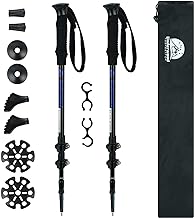
Best lightweight transition pole: Nordic Lightweight 7075 Aluminum Trekking Poles
The Nordic 7075 poles use aircraft-grade aluminum that handles the repetitive plant-and-push of a long transition hike without bending at the joints. The lever-lock adjustment lets you shorten them for steep climbs and lengthen them for descents — critical because most calf strain during a zero drop transition happens on long downhill sections. At their weight class, these are a solid first pole for a hiker who wants durability over ultralight grams. Check current price on Amazon.
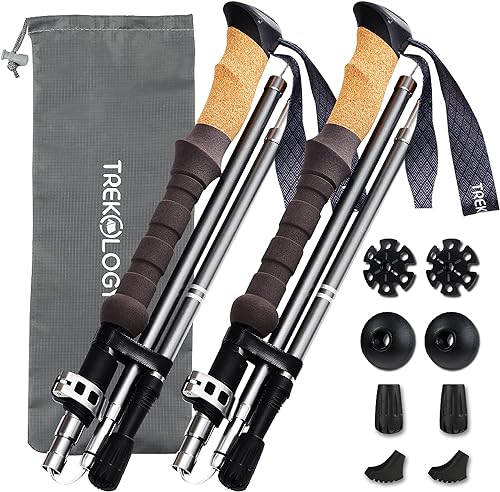
Best packable folding pole: TREKOLOGY Trek-Z Cork Grip Folding Trekking Poles
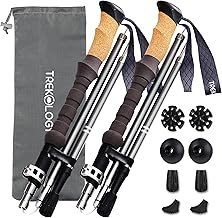
The Trek-Z folds down to roughly 15 inches, which matters because zero drop transitioners often want to stash poles mid-hike once their calves warm up and feel strong. The cork grip beats EVA foam during summer transition runs because it doesn't get slick with sweat, and the carbide tips bite into the kind of mixed rock and dirt where you're most likely to roll an ankle while your foot is still learning a new stride. Check current price on Amazon.
Best value, share with a partner: Collapsible Aluminum Trekking Poles, 2-Pack
If you're transitioning together with a hiking partner or running club friend, the 2-pack option is the cheapest way to get both of you into poles for the 4-6 week protective window. They're not the lightest aluminum poles on the market, but for a transition phase where you'll use them religiously and then maybe stash them once your gait adapts, the value math is hard to beat. Check current price on Amazon.
A 6-week break-in protocol that actually works
Whichever shoe you pick, treat the first six weeks as a structured load progression, not a "wear it and see" experiment. Week 1: walk only, 30 minutes max per day, alternating with your old shoes. Week 2: short runs under 20 minutes, all on soft surface, poles on any descent over 5%. Week 3-4: build to 45 minutes, introduce gentle hills. Week 5-6: return to normal trail volume, retire the poles on flat sections, keep them for steep descents.
If your calves are sore for more than 48 hours after any session, you progressed too fast. Dial back one week and add a daily 5-minute eccentric calf drop routine off a step. Our full transition plan breaks down each week with specific mileage targets and recovery markers.
Frequently Asked Questions
How long does it take to fully transition to zero drop trail shoes?
Most runners need 6-10 weeks of structured loading to fully adapt to a 0 mm drop from a traditional 8-10 mm shoe. Hikers can transition faster — often 3-4 weeks — because walking doesn't load the Achilles as aggressively as running. The biggest predictor of success is gradual mileage progression, not the specific shoe you pick.
Is the Altra Lone Peak 8 toe box really wider than the Topo Terraventure 4?
Yes, measurably. Altra's FootShape last on the Lone Peak 8 is the widest in the mainstream trail category, while Topo's anatomical last on the Terraventure 4 is wider than conventional trail shoes but narrower than Altra. If you've been wearing standard D-width trail shoes, both will feel roomy; if you've been wearing 2E or wider, the Lone Peak will feel right and the Terraventure may feel snug at the forefoot.
Is the Altra Lone Peak 8 vs Topo Terraventure 4 decision really just about foot shape?
Mostly, but not entirely. Foot shape is the first filter — wider feet to Altra, narrower heels to Topo. The second filter is your transition goal: if you want a plush, forgiving doorway into zero drop you'll be happier in the Lone Peak; if you want a responsive zero drop shoe that mimics a traditional trail racer's feel, the Terraventure wins. Terrain matters too, with Topo's rock plate and Vibram outsole favoring technical ground.
Can I run an ultra in the Topo Terraventure 4 as a zero drop transitioner?
Not until you've put 200-300 miles on the shoe and your calves have fully adapted. The Terraventure 4 is plenty durable for ultra distance, but its firmer ride magnifies any unresolved transition fatigue. Most coaches recommend the Lone Peak 8 for your first zero drop ultra, then upgrading to the Terraventure once your gait is locked in.
Which shoe handles wet roots and slick granite better?
The Terraventure 4's Vibram XS Trek EVO outsole has the edge on wet rock and roots, with a stickier rubber compound than Altra's MaxTrac. The Lone Peak 8 grips well on dry trail and mud but slides earlier on wet granite. If your trail system is rain-soaked half the year, lean Terraventure.
Do trekking poles really help with zero drop transition or is that overhyped?
The biomechanical research is clear: poles reduce ground reaction force on the lower legs by 15-25% on downhills. For a runner mid-transition, that's the difference between accumulating calf damage and recovering between sessions. They're especially valuable in weeks 1-4 of the transition when soft tissue is still remodeling. After week 6 you can taper their use to descents only.
Are these shoes good for thru-hiking the PCT or AT in 2026?
The Lone Peak series has been the most popular thru-hiking shoe on the PCT for several seasons running, and the Lone Peak 8 continues that tradition with a slightly more durable upper. The Terraventure 4 is a viable alternative for thru-hikers with narrower feet who've had heel blistering issues in Altras. Plan on burning through 2-3 pairs of either shoe across a full PCT thru.
Key Takeaways
- Choosing the right Altra Lone Peak 8 vs Topo Terraventure 4 means matching capacity and output ports to your actual devices
- Always check actual watt-hours (Wh), not just watts — runtime depends on Wh, not peak output
- Also covers: zero drop trail shoes comparison
- Also covers: transitioning to zero drop
- Also covers: Altra vs Topo trail running
- Compare price-per-Wh across models to find the best value for your budget