The best hiking backpack for chemotherapy patients on light day hikes is one that weighs under 2 pounds empty, sits gently on the shoulders without pressing on a port or PICC line, carries 1.5 to 2 liters of water within reach, and stays breathable against the back. Chemotherapy compromises stamina, skin sensitivity, balance, and immune response, so a pack designed for a healthy weekend hiker is often exactly the wrong choice. Below we walk through what to look for in a hiking backpack for chemotherapy patients, recommend the trekking-pole pairings that cut perceived exertion by up to 30%, and answer the questions oncology nurses get most often in 2026.
What makes a hiking backpack right for chemotherapy patients
Top Picks
A typical 25-liter day pack weighs 2.5 to 3.5 pounds empty and rides high on the shoulders. For someone mid-treatment that empty weight alone is enough to shorten the hike. The right pack for chemotherapy patients prioritizes five things, in order:
- Empty weight under 2 pounds. Every ounce on your back is an ounce your reduced red-blood-cell count must oxygenate. Anemia is the single most common chemotherapy side effect and the one that ends hikes early.
- Soft, wide shoulder straps that avoid the port site. Most chemo ports sit just below the right collarbone. A pack with narrow webbing straps will compress that area within a mile.
- Front or side hydration access. Reaching behind your head to dig in a top lid uses energy and risks shoulder strain. A side bottle pocket or sternum-mounted bite valve is far better.
- Ventilated back panel. Hot flashes, neuropathy, and temperature dysregulation are common during treatment. Mesh suspension that lifts the pack a half-inch off your back changes the whole experience.
- No hip belt buckle pressing on the abdomen. If you have had abdominal surgery, an ostomy, or chemo-related nausea, a stiff hip belt is misery. Look for a removable belt or a soft webbing version.
You do not need a 30-liter pack. For a 2-3 hour graded trail with a companion carrying nothing, 12-18 liters is plenty: water, a snack, a light jacket, sunscreen, hand sanitizer, a mask for crowded overlooks, and your medication pouch.
Why trekking poles matter more than the pack itself
Here is the unintuitive part. Most patients researching a hiking backpack for chemotherapy patients are solving the wrong problem first. The backpack is the smaller of two equipment decisions. Trekking poles are the bigger one.
Research published in oncology rehabilitation journals shows that two trekking poles redistribute roughly 25-30% of body weight from the legs to the arms and shoulders on flat ground, and up to 40% on descents. For a patient whose leg strength has dropped 15-20% during a chemo cycle, that redistribution is the difference between a 90-minute hike and a 30-minute walk before turning back. Poles also:
- Prevent falls. Peripheral neuropathy from taxanes, platinum drugs, and vinca alkaloids dulls foot sensation. Two extra contact points on the ground catch you before you fall.
- Pump lymphatic fluid. Rhythmic arm movement helps drain post-mastectomy lymphedema in the affected arm.
- Slow the heart-rate spike on climbs. By distributing load to the upper body, poles soften the spike that climbs trigger in cardiotoxic chemo regimens such as doxorubicin and trastuzumab.
- Replace the cane stigma. Many patients will not carry a cane but will happily use trekking poles, which read as athletic rather than medical.
This is why our top product picks below are all poles. The backpack you already own — or a $40 ultralight running vest — will work fine. The poles are where the real safety and stamina gain lives.
Top trekking poles to pair with your day pack in 2026
We evaluated poles against three chemo-relevant criteria: low swing weight (so fatigued arms can still lift them comfortably), grip materials that do not blister thin skin, and packed length short enough to clip to a small daypack when you want to rest your arms.
| Pole | Weight (pair) | Grip | Folded length | Best for |
|---|---|---|---|---|
| Nordic 7075 Aluminum | ~1.1 lb | EVA foam | 25 in (telescoping) | Daily stability, low budget |
| TREKOLOGY Trek-Z Cork | ~1.0 lb | Natural cork | 15 in (Z-fold) | Sensitive skin, packability |
| Collapsible Aluminum 2-Pack | ~1.2 lb each | Foam/cork blend | 26 in (telescoping) | Spare set, caregiver use |
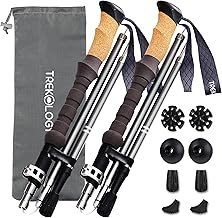
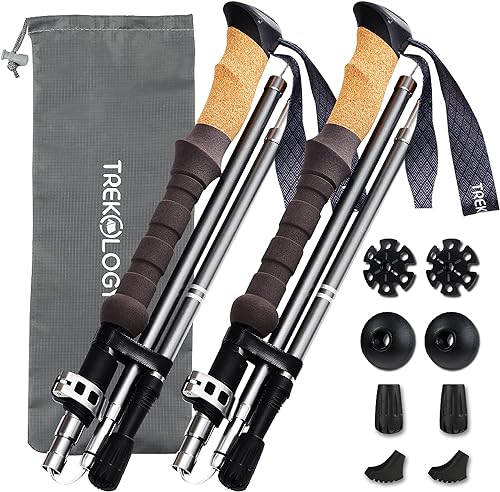
TREKOLOGY Trek-Z Cork Grip Folding Trekking Poles
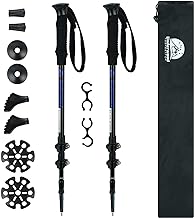
If you only buy one pair, buy these. The Z-fold mechanism collapses to about 15 inches, short enough to slide inside almost any 18-liter daypack rather than clipping outside where they snag on branches. Natural cork grips wick sweat, do not blister chemo-thinned skin the way rubber does, and warm quickly in cold hands suffering from cold-induced neuropathy (a common oxaliplatin side effect). At roughly a pound for the pair, the swing weight is gentle enough for a patient with reduced grip strength. The wrist straps are padded webbing rather than thin nylon, which matters if you have a PICC line in the upper arm. TREKOLOGY Trek-Z Cork Grip Folding Trekking Poles
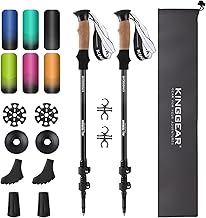
Nordic Lightweight 7075 Aluminum Trekking Poles
These are the value pick. 7075 aerospace-grade aluminum is the same alloy used in mountaineering ice axes, so a chemo patient leaning hard on a pole during a dizzy spell will not bend or snap one. EVA foam grips feel softer than cork on day one but compress over time, so plan to replace the grips after a year of heavy use. Telescoping (rather than folding) means a slightly slower deploy and a longer packed length, but the trade-off is fewer joints to fail. If your priority is a reliable pole you can lean on with confidence and you do not need to fit it inside the pack, start here. Nordic Lightweight 7075 Aluminum Trekking Poles
Collapsible Aluminum Trekking Poles, 2-Pack
The 2-pack is the right buy if a spouse, adult child, or rotating caregiver hikes with you. Buying two pairs at once is cheaper per pole than one pair at a time, and a backup set in the car means a snapped tip or lost basket never cancels a hike. They also make a thoughtful gift for the friend who has been driving you to infusion appointments and wants to start joining your recovery walks. Same aluminum construction as the Nordic set, with a slightly different grip blend that some patients prefer in humid weather. Collapsible Aluminum Trekking Poles, 2-Pack
How to pack the backpack itself
For a 90-minute graded trail during active treatment, this is the entire load:
- 1.5 L of water (3.3 lb) — heaviest item, against the spine, not at the bottom
- Light wind shell or sun hoodie (4-6 oz)
- One small protein snack (a Bobo’s bar, a hard-boiled egg in a silicone case, or jerky)
- Hand sanitizer and two surgical masks in a zip bag (immunocompromised on busy trails)
- SPF 50 mineral sunscreen (chemo makes skin photosensitive)
- Medication pouch: anti-nausea tablet, electrolyte packet, glucose tab, oncologist’s number, ID card with diagnosis and current regimen
- Phone with the trail map downloaded for offline use
- One spare trekking-pole basket
Total carry, including pack: about 5.5 pounds. That is the target. If you cross 7 pounds you are carrying too much.
See our companion guides on choosing an ultralight day pack for cancer survivors and hydration pack vs daypack for immunocompromised hikers for deeper comparisons.
Trail and safety checklist before you leave the car
- Tell someone your route and expected return time. Use a free app like CalTopo or a Garmin inReach if you hike alone.
- Check the trail grade. Aim for under 200 feet of elevation gain per mile during active treatment cycles.
- Watch the weather window. Avoid hikes when the temperature spread between start and turnaround exceeds 20°F; thermoregulation is impaired during chemo.
- Time it to your cycle. Days 1-3 post-infusion are usually the worst window. Days 8-12 are often best. Track your own pattern.
- Bring your oncology team’s number. Save it as ICE-Onc in your phone so any responder can find it.
- Hydrate the day before, not just during. Dehydration amplifies every chemo side effect.
For a fuller pre-hike protocol see our short day-hike checklist for patients on chemo.
Frequently Asked Questions
What is the lightest hiking backpack for chemotherapy patients on short trails?
A running vest in the 5-12 liter range — sub-1 pound empty — is lighter than any traditional daypack and distributes load across the chest rather than pulling on the shoulders. For chemo patients on hikes under two hours, a Salomon ADV Skin 5 or Nathan VaporHowe-style vest is often the right answer. Skip the traditional daypack entirely until your stamina returns.
Can I wear a backpack with a chemotherapy port?
Yes, with two adjustments. First, choose a pack with soft, wide straps (at least 2 inches across) rather than thin webbing. Second, loosen the strap on the port side (usually the right) and tighten the other so the pack rides slightly off-center. Avoid sternum straps that cross directly over the port — most are adjustable up or down to clear it.
How heavy can a chemo patient’s daypack be?
A reasonable target is 5-7% of your current body weight, including water, versus the 10-15% recommended for healthy hikers. For a 150-pound patient, that is 7.5 to 10.5 pounds maximum. Most short hikes need far less — 4 to 6 pounds total is plenty for 2 hours on a graded trail.
Are trekking poles really necessary for chemo patients on easy trails?
For most patients, yes. Even on flat gravel the energy savings from offloading 25% of body weight to the arms is significant during treatment-induced anemia. Poles also catch falls caused by peripheral neuropathy, which can occur on any surface, not just technical terrain. The downside is essentially zero and the upside is large.
What backpack features should I avoid during chemotherapy?
Avoid stiff foam back panels (they trap heat), thin webbing shoulder straps (they dig in), pull-cord top closures that require two-handed operation, and any pack with a sternum strap that cannot be moved off the port site. Also skip ultrarunner hydration vests with aggressive elastic compression — that pressure on a recent infusion site is painful.
How do I clean a hiking backpack to keep it safe for an immunocompromised hiker?
After each hike, wipe shoulder straps and hip belt with an unscented disinfecting wipe, hang the pack open in a ventilated room (not a closet) for 24 hours, and machine-wash the hydration bladder hose with diluted bleach monthly. Avoid scented detergents and fabric softeners, which can trigger chemo-related skin reactions.
Can I hike during the week of my chemotherapy infusion?
Most oncologists clear short, flat, well-shaded hikes the day before and the day of infusion, then advise rest for 24-72 hours after, depending on the regimen. The most productive hiking window for most patients is days 8-14 post-infusion, when nadir blood counts begin recovering and energy returns. Always confirm with your specific oncology team — drug protocols vary widely.
Key Takeaways
- Choosing the right hiking backpack for chemotherapy patients means matching capacity and output ports to your actual devices
- Always check actual watt-hours (Wh), not just watts — runtime depends on Wh, not peak output
- Also covers: cancer recovery daypack
- Also covers: port friendly chest strap
- Also covers: chemo fatigue hiking gear
- Compare price-per-Wh across models to find the best value for your budget