The best hydration vest for deaf runners with cochlear implants in 2026 is a low-bounce, soft-strap design with adjustable sternum buckles that sit below the temporal bone, padded shoulder yokes that avoid the magnet site, and stretch-mesh side panels that won't tug your processor's retention cable. For most cochlear implant (CI) users, that means a 5L–12L racing vest with two front bottle pockets, dual sternum straps you can lower at least 2 inches, and shoulder webbing under 1.25 inches wide. Below we break down what to look for, complementary stability gear like trekking poles for technical terrain, and the questions deaf trail runners ask most.
What makes a hydration vest CI-friendly?
Top Picks
Cochlear implant external processors—whether behind-the-ear (BTE) units like the Cochlear Nucleus 8 and Advanced Bionics Marvel CI, or off-the-ear pucks like the Kanso 2—sit in a narrow strip of real estate where standard vest hardware loves to rub. The wrong sternum strap height drags webbing across the magnet. The wrong shoulder cut chafes the headpiece coil. And a noisy bottle slosh—something hearing runners barely notice—can dominate the soundscape a CI streams to your auditory nerve, making it harder to monitor your breathing or pick up a trail partner's voice.
A good hydration vest for deaf runners with cochlear implants solves three problems at once: it keeps the load off your processor zone, it minimizes mechanical noise close to the microphone ports, and it lets you stash a backup battery or dry box for your processor in a sweat-protected pocket. If you already use sport retention clips or a Mic Lock cable, the vest's shoulder anchor points need to clear that cable's path from your ear to your collar.
Strap geometry: where the webbing actually lands
Measure from the top of your shoulder seam down to where a vest's upper sternum buckle naturally rests. On most unisex racing vests, that's 4–6 inches. For a CI user, you want that buckle—and the strap routing above it—to land at least an inch below your earlobe line so the webbing never crosses your headpiece magnet or BTE hook. Vests with dual independently adjustable sternum buckles (think Salomon Adv Skin, Nathan Pinnacle, Ultimate Direction Race Vest 6.0) give you the most range. Avoid vests with a fixed cross-chest strap or a single high-clip closure—they almost always sit too close to the temporal bone.
Shoulder padding and the magnet zone
Look for a foam or 3D-mesh shoulder yoke that's at least 8mm thick over the trapezius but tapers to flat mesh at the collarbone. Thick padding near the neck pushes the strap up into the processor; flat mesh lets the strap settle below it. Seamless or bonded shoulder construction beats stitched seams, which can catch on a Mic Lock clip or pull a Snugfit cable.
Noise control near the microphones
Soft flask pockets beat hard bottles for CI users—the slosh is quieter and the flask compresses as it empties, so you don't get end-of-bottle sloshing during the second half of a long run. Stretch-mesh front pockets with silicone grippers keep gels from rustling against the chest, which a directional CI mic will absolutely pick up. If your processor has wind noise reduction (SCAN, AutoSense, ClearVoice), test the vest in a real headwind before race day; some chest pockets create whistle noise at speed.
Top hydration vest features for CI users in 2026
| Feature | Why it matters for CI runners | What to look for |
|---|---|---|
| Sternum strap range | Keeps webbing off the magnet and processor coil | 2 independently sliding buckles, 4–10 inch travel |
| Shoulder strap width | Narrower straps clear the BTE hook | ≤ 1.25" wide, tapered at neck |
| Front pocket type | Quieter hydration = clearer audio streaming | Soft 500ml flasks, not hard bottles |
| Dry pocket | Sweat-proof storage for spare battery/dry box | Sealed zip, TPU-lined, on the back panel |
| Reflective trim | Visibility when you can't hear approaching traffic | 360° reflective hits, ideally with a whistle |
| Whistle placement | Emergency signaling without a phone call | Front strap, easy to grab one-handed |
Pairing your vest with trail-stability gear
Many CI runners we hear from also use trekking poles on technical descents and rocky singletrack. Vibration through the wrists and a planted third or fourth contact point reduces the head-bobbing micro-motion that can dislodge a magnet or off-the-ear processor. If you're building a full trail-running kit around your vest, lightweight folding poles weigh almost nothing in your front pockets and unfold the moment grade or footing changes. See our companion guides on trekking poles for rocky singletrack and trail running safely with cochlear implants for more on stacking these systems.
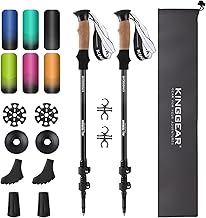
Nordic Lightweight 7075 Aluminum Trekking Poles
For runners who want a stiff, planted feel on descents, the Nordic 7075 aluminum set is a good budget pick to pair with your vest. The 7075-T6 aluminum shafts are stiffer than the 6061 alloy you'll see on cheaper poles, which means less wrist vibration on rocky impact—important when you're already managing the head motion that affects your processor's retention. They lock with external flip-locks (faster to deploy than twist-locks when you suddenly need stability) and the EVA grips don't squeak against vest pockets. Check current pricing and reviews here: Nordic Lightweight 7075 Aluminum Trekking Poles on Amazon.
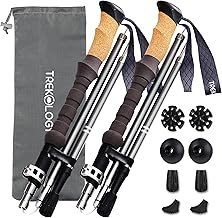
TREKOLOGY Trek-Z Cork Grip Folding Trekking Poles
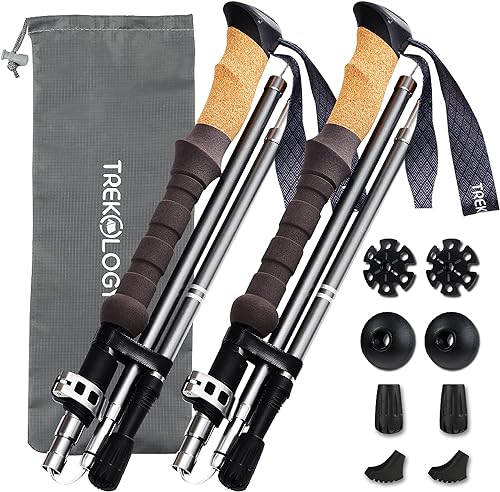
If pocket-ability is your priority—especially if you want to stow poles in your hydration vest's rear bungee on the flats and deploy only for climbs and descents—the Trek-Z folding design packs down to about 15 inches. Cork grips are the key feature for CI runners: cork absorbs sweat instead of getting slippery, and slippery grips force a tighter clench that radiates micro-vibrations up to your head. The Z-fold tension system snaps to rigidity in under three seconds, which matters when you need both hands free to manage a processor or backup battery. Available here: TREKOLOGY Trek-Z Cork Grip Folding Trekking Poles on Amazon.
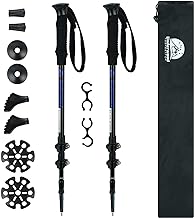
Collapsible Aluminum Trekking Poles, 2-Pack
For new trail runners pairing their first hydration vest with first poles, this budget two-pack is a low-risk way to test whether poles work for your stride and CI retention setup before investing in carbon. The collapsible telescoping design is heavier than folding Z-poles but more durable—useful if you're learning pole technique and occasionally catching tips between rocks. The foam grips are quieter against vest webbing than the rubberized handles common at this price point. Find them here: Collapsible Aluminum Trekking Poles 2-Pack on Amazon.
Fitting your vest with a CI on: a step-by-step
Put your processor on first, retention clips and all, exactly as you'd wear it on the trail. Then loosen every strap on the vest to maximum length and pull it on. Cinch the lower sternum buckle first until the chest pockets sit flat against your sternum without bouncing. Only then adjust the upper sternum buckle—and slide it down the webbing track until it's at least an inch below your earlobe. If the vest doesn't have enough travel to drop the upper buckle that low, the vest won't work for you long-term; return it. Finally, run in place for 30 seconds with full flasks. The processor should not move. If your magnet feels tugged or your BTE hook gets nudged by the shoulder strap, try a smaller vest size before assuming the model is wrong—many CI users find a size down from their normal vest gives them better strap geometry.
Safety considerations beyond the vest
Deaf and hard-of-hearing trail runners often run without their processors during heavy rain or river crossings to protect the electronics. That means you're navigating without your usual auditory awareness on terrain where hearing runners rely on it. A high-visibility vest color (orange, fluorescent yellow, or hot pink), a mirror or whistle on the front strap, and a habit of running with a trail buddy or sharing live location via your phone all reduce the risk. Some CI runners also wear a small medical ID tag attached to a vest D-ring identifying their implant and a contact number—useful if you're found unresponsive and EMS needs to know there's hardware in your skull before any MRI decisions.
Frequently Asked Questions
Will a hydration vest pull off my cochlear implant processor?
Only if the shoulder strap or upper sternum buckle crosses the magnet zone. A vest with two independently adjustable sternum buckles and shoulder straps under 1.25 inches wide should sit entirely below your processor. Always do the 30-second jog test with full flasks before committing.
What's the best hydration vest size for someone using sport retention clips?
Most CI users do better one size smaller than the brand's chart suggests. Sport clips and cables add bulk near the collarbone, and a snug vest cradles the chest without forcing you to over-tighten the upper sternum strap into your headpiece. Check our hydration vest sizing guide for measurement tips.
Can I run with an off-the-ear processor like the Kanso 2 in a hydration vest?
Yes, and many runners find off-the-ear pucks easier to manage with vests because there's no BTE hook for shoulder straps to catch. The main concern is the magnet itself; keep webbing entirely off the puck and use a Snugfit or wig tape during long efforts. Soft flask pockets are quieter and improve your streamed audio clarity.
Are bladder-style vests or front-bottle vests better for deaf runners?
Front-bottle (soft flask) vests are usually the better choice. Bladders create a constant low-frequency slosh on the back panel that some CI users find disorienting on long runs, and the bite valve hose can drape across the shoulder near the processor. Front flasks are quieter, easier to refill at aid stations, and keep weight off your spine.
How do I keep sweat from damaging my CI processor under a vest?
Use a sweatband or Ear Gear sleeve over the BTE unit, and stash a small dry box (or even a plain ziplock with silica gel) in your vest's rear dry pocket so you can swap the processor in if it gets soaked. Most modern processors are IP57 or better, but salt sweat still degrades microphone covers over time.
Do trekking poles really help CI runners on technical trails?
For many, yes—poles damp the head-bobbing micro-motion that can dislodge magnets and reduce the falls that risk processor damage. Folding cork-grip poles like the Trek-Z stow easily in vest pockets so you only deploy them when grade or footing calls for it. See our poles vs. handheld bottles comparison for stacking gear.
What should I pack in my vest's emergency pocket as a deaf runner?
A spare CI battery (or backup disposables), a small dry box, a written medical ID card noting your implant manufacturer and model, a loud pealess whistle on the front strap, and a charged phone with live location sharing enabled. If you wear hearing aids in your non-implanted ear, pack spare batteries for those too. A small dab of wig tape or a spare Snugfit clip rounds out the kit.
Key Takeaways
- Choosing the right hydration vest for deaf runners with cochlear implants means matching capacity and output ports to your actual devices
- Always check actual watt-hours (Wh), not just watts — runtime depends on Wh, not peak output
- Also covers: cochlear implant friendly running vest
- Also covers: hydration pack for hard of hearing trail runners
- Also covers: low-profile shoulder strap vest cochlear
- Compare price-per-Wh across models to find the best value for your budget