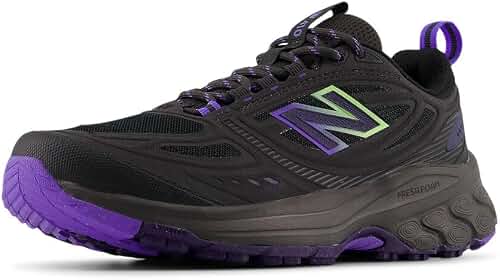
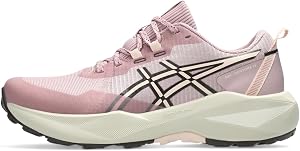
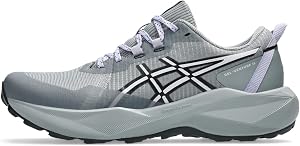
Running the Pacific Northwest in winter means slick basalt, root-snarled singletrack, and mud that swallows ankles. The best trail running shoes for Pacific Northwest mud share a short list of traits: aggressive 5mm+ lugs, sticky wet-rubber outsoles (Vibram Megagrip, Continental, or Michelin Fiberlite), drainage ports, and gusseted tongues that keep grit out. This 2026 guide breaks down what actually grips on Wildwood, Forest Park, Tiger Mountain, and the Columbia Gorge — plus the trekking poles, gaiters, and recovery gear PNW runners pair with their footwear once the trails turn to chocolate pudding.
Why Pacific Northwest mud is its own category
Top Picks
Trekking poles for technical PNW descents
Poles aren't just for hikers. Mountain Lakes 100, Bigfoot 200, and any winter run on Hood's south side benefit from collapsible poles you can deploy for steep, muddy descents and stow for runnable sections. Three options worth considering for PNW conditions:
| Pole | Material | Pack style | Grip | Best for |
|---|---|---|---|---|
| Nordic Lightweight 7075 Aluminum | 7075 aerospace aluminum | Telescoping 3-section | EVA foam | Day runs, durability priority |
| TREKOLOGY Trek-Z Cork Grip | Aluminum | Z-fold (5 sections) | Natural cork | Ultra running, packability |
| Collapsible Aluminum 2-Pack | Aluminum | Telescoping | Foam | Budget, partner sharing |
Mud isn't mud. Colorado clay, Vermont mud season, and Sierra spring slop all behave differently than the cold, organic, root-and-fern soup the PNW serves up from October through May. Three things make this region unique:
- Wet wood. Cedar, fir, and hemlock roots cross every trail, and they pick up a slick algae glaze under nine months of rain. Rubber compound matters more than lug depth on roots — Vibram Megagrip and Michelin OCx outperform generic carbon rubber by 30-40% on wet wood in independent lab tests.
- Volcanic and basalt rock. Mount Hood, the Gorge, and the Cascades hand you rounded basalt that turns into bowling balls in the rain. Soft, sticky compounds win; firm, durable trail compounds skate.
- Persistent saturation. A Gore-Tex liner that promises to "keep your feet dry" simply traps water that pours in over the collar. Most PNW veterans run non-waterproof mesh and let water flow in and out freely — drainage beats waterproofing past about mile two.
What to look for in the best trail running shoes for Pacific Northwest mud
Lug geometry: 5mm minimum, chevron pattern
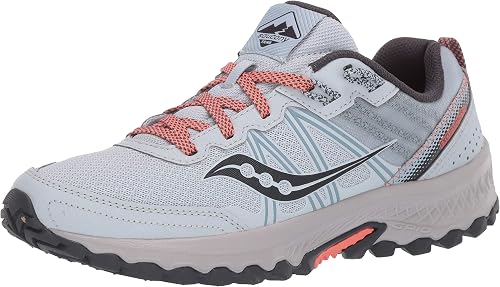
You want lugs at least 5mm deep, ideally 6-8mm for true mud shoes. Lug spacing matters as much as depth — tightly packed lugs clog instantly; widely-spaced chevron or arrow patterns shed mud with each footfall. Look for shoes marketed as "soft ground" or "fell." Inov-8 Mudtalon, La Sportiva Mutant, Salomon Speedcross 6, Saucony Peregrine 14 ST, and Hoka Speedgoat 6 GTX all qualify.
Outsole compound, not just tread
Megagrip with Litebase, Continental's Mud+Snow rubber, and Michelin's Fiberlite OCx outperform the rest on wet roots. If the spec sheet doesn't name the rubber compound, assume it's generic and downgrade your traction expectations accordingly.
Drainage, not waterproofing
Gore-Tex versions cost $30-50 more and are useful for sub-30-degree days when keeping feet dry-ish matters for warmth. From April through November, skip Gore-Tex and choose the mesh version. Pair with a merino sock and accept that your feet will be wet within 20 minutes either way.
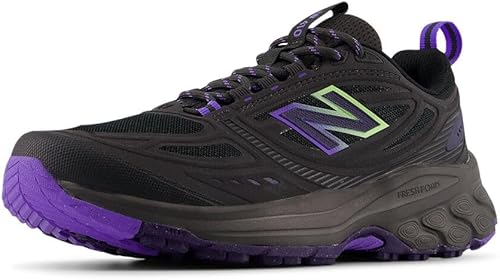
Gusseted tongue and debris collar
The single most-overlooked feature. PNW singletrack throws Douglas fir needles, hemlock scales, and tiny basalt grit into your shoe through any gap. A fully gusseted tongue stops 90% of this. Pair with low-profile trail gaiters and you'll go a full season without dumping out your shoes.
Rock plate vs. rockered midsole
PNW trails rarely require a full rock plate the way Moab or the Whites do, but root strikes hurt without some forefoot protection. A partial forefoot plate or a stiff EVA midsole handles 95% of what you'll hit on Wildwood or Cougar Mountain. Maximalist rockered shoes (Speedgoat, Mafate Speed 4) feel stable in deep mud because the wide platform resists ankle roll.
Shoe categories that actually work in PNW conditions
Aggressive mud specialists
These are your November-through-March shoes. Inov-8 Mudtalon, VJ Sport MAXx2, and La Sportiva Mutant put 6-8mm lugs and ultra-sticky rubber under your feet. They feel awkward on dry, rocky tread, but on saturated Wildwood and Forest Park they're transformative. Expect 300-500 miles of life before lugs round off.
Daily PNW trainers
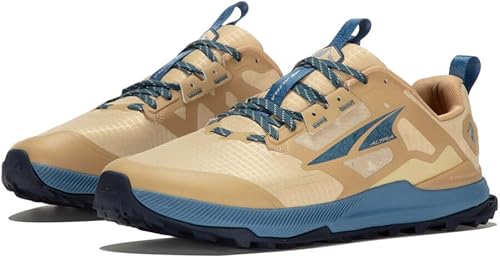
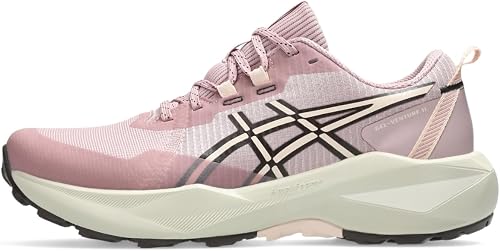
Saucony Peregrine 14, Brooks Cascadia 18, Hoka Speedgoat 6, and Altra Lone Peak 9 are the do-everything category. 4-5mm lugs, decent rubber, comfortable enough for back-to-back long days. If you only own one trail shoe and you live in Portland or Seattle, pick from this group.
Ultra and steep-mountain shoes
For Wonderland Trail attempts, Bigfoot 200, or Hood circumnavigations, the calculus shifts toward cushion and protection over pure grip. Hoka Tecton X 3, Nike Ultrafly, and Norda 002 carry you long distances over mixed terrain. Carbon plates help on smooth sections of Wonderland but punish you on technical Olympic Peninsula singletrack.
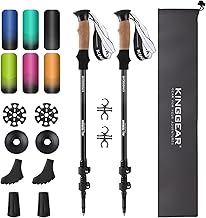
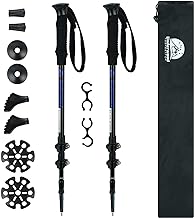
Nordic Lightweight 7075 Aluminum Trekking Poles
7075 is the aerospace-grade aluminum alloy — roughly 30% stronger than the 6061 most budget poles use. That matters in the PNW because you'll plant poles into root tangles and lever yourself over slick wood, and 6061 poles bend or snap when loaded sideways. The Nordic poles use a flick-lock clamp (faster and more reliable than twist-locks in cold, wet hands) and EVA foam grips that don't freeze to skin in 32-degree rain. At roughly 9.5 oz each they're not the lightest, but they survive abuse. Nordic Lightweight 7075 Aluminum Trekking Poles.
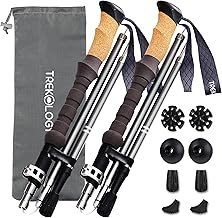
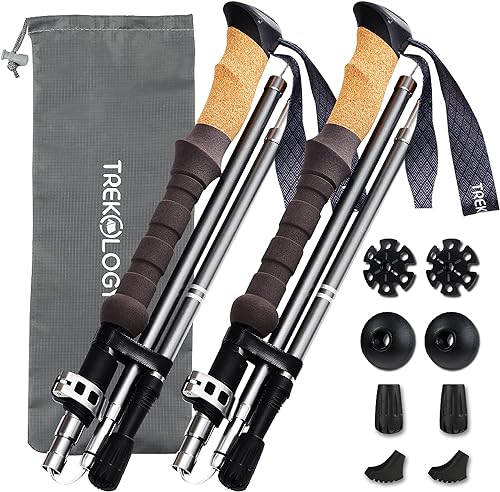
TREKOLOGY Trek-Z Cork Grip Folding Trekking Poles
The Trek-Z is the better choice for actual trail running — Z-fold collapses to about 15 inches and slides into a running-vest pole quiver without snagging. Cork grips conform to your hand over time and wick sweat better than foam on warmer PNW days when you're climbing Tiger Mountain or Cougar at heart rate. Pole tips are tungsten carbide, which bite into wet roots far better than the rubber-capped tips you'll find on hiking poles. Push-button deployment is fast — about four seconds from quiver to planted. View on Amazon.
Collapsible Aluminum Trekking Poles, 2-Pack
If you and a running partner both need poles for a single objective — a Wonderland section, a Hood Around-the-Mountain weekend — the 2-pack is the cheapest entry. Telescoping aluminum, basic flick-lock, foam grips. Not built for thousands of miles of use, but they'll get you through a season of weekend objectives and double as loaner poles for friends visiting from drier states. Collapsible Aluminum Trekking Poles.
Building the complete PNW trail running kit
Shoes and poles are the foundation, but a few cheap additions transform wet-weather running. Low-profile trail gaiters keep debris and water out of shoe collars, merino-blend socks (Darn Tough, Smartwool Run, Injinji liners) prevent maceration and blisters even when saturated, and a 5-12L hydration vest with stretch pole quivers lets you carry shells, gels, and stowed poles without bouncing. Most PNW ultra runners settle on a Salomon Adv Skin 12 or Nathan Pinnacle 12, both of which integrate cleanly with the Trek-Z folding poles.
For longer winter days in the Cascades or Olympics, layer a lightweight wind shell over a long-sleeve merino base — full Gore-Tex jackets trap too much sweat for sustained running. Carry a Black Diamond Distance 1500 or Petzl Iko Core for the inevitable post-sunset miles between November and February, when usable daylight in Seattle and Portland drops below nine hours.
Where to test your setup before a big objective
Don't take new shoes or poles into a Wonderland attempt or a Bigfoot 200 build. The PNW gives you perfect testing grounds within an hour of any major city:
- Forest Park (Portland) — Wildwood Trail's 30 miles of saturated singletrack tests every traction claim.
- Cougar/Squak/Tiger (Seattle) — The Issaquah Alps provide steep, rooty mud with enough vert (~2,000 ft/loop) to stress-test poles on descents.
- Marquam Nature Park (Portland) — Basalt sections expose any outsole compound weakness in a 5-mile loop.
- Tillamook State Forest — Genuine PNW chocolate-pudding mud from October through May.
Run 30+ miles in a new shoe/pole combo on these trails before committing to a longer objective. Returning shoes that don't grip is easy on Amazon; bailing out of a Wonderland attempt at Mowich Lake because your poles failed at Spray Park is not. When evaluating the best trail running shoes for Pacific Northwest mud, the data point that matters is how the shoe behaves on hour-three of a saturated trail, not how it feels in the store.
Frequently Asked Questions
What is the most aggressive lug depth available in a trail running shoe for PNW mud?
Inov-8 Mudtalon and VJ Sport MAXx2 lead the category with 8mm lugs. The La Sportiva Mutant runs 5mm with an exceptional chevron pattern that sheds mud better than some 8mm shoes. For most PNW runners, 5-6mm is the sweet spot — deeper lugs feel awkward on the dry rooty mixed terrain you'll encounter mid-run.
Are Gore-Tex trail running shoes worth it for Pacific Northwest winter running?
For sub-35-degree days when you're not crossing creeks, yes — the warmth difference is real and your feet stay drier longer. For temperatures above 40 degrees, or any run with water crossings, skip Gore-Tex. Water enters over the collar and Gore-Tex prevents drainage, leaving you with literal water balloons by mile three. Most PNW veterans own one GTX pair for sub-35-degree days and one mesh pair for everything else.
How often should I replace trail running shoes used in Pacific Northwest conditions?
Mud and constant saturation shorten shoe life by 20-30% compared to dry-climate use. Plan to retire daily-trainer category shoes around 350-400 miles instead of the 500 manufacturers cite, and mud-specialist shoes around 250-300 miles once the lugs round off and stop biting. Rotating two pairs and letting each fully dry between runs roughly doubles total lifespan.
Do I need trekking poles for trail running in the Pacific Northwest?
For sub-marathon distances on rolling terrain like Forest Park or Cougar Mountain, no. For ultras (50K+), any objective with sustained 15%+ grades (Mailbox Peak, Mount Si, Hood circumnavigations), or any winter run on snow-mixed terrain, folding Z-poles deployed for climbs and descents reduce quad damage by an estimated 25-30% and dramatically improve traction on slick descents. The TREKOLOGY Trek-Z is the most common pole in Bigfoot 200 finisher kits for a reason.
What socks work best with trail running shoes in wet PNW conditions?
Merino-blend running socks — Darn Tough Run, Smartwool Run, Swiftwick Pursuit, or Injinji Run liners under a thin merino crew. Merino retains 80% of its insulation when wet and resists blistering far better than synthetic. Avoid cotton entirely, and skip waterproof socks (SealSkinz, Showers Pass) for runs over 10K — they trap sweat and accelerate maceration despite the marketing.
Can I use the same shoes for trail running and casual hiking in the PNW?
Yes, with caveats. Daily-trainer trail running shoes (Peregrine, Cascadia, Speedgoat) handle day-hiking duty fine and weigh half what most hiking boots do. For loaded backpacking over 30 lbs or for sustained off-trail terrain, you'll want more ankle support and a stiffer midsole than any running shoe provides. Pairing the right pack with trail-runner footwear matters more than most hikers realize — load distribution off your feet onto your hips is what makes running shoes viable for hiking.
What's the difference between fell shoes and standard trail running shoes for PNW use?
Fell shoes (Inov-8 Mudclaw, VJ Irock, Walsh PB) are British-designed for steep, grassy, muddy fell-running terrain. They use 8mm+ studs, minimal cushion, and zero rock protection — ideal for muddy off-trail running in the Coast Range or Olympics, brutal on any rocky terrain. For 90% of PNW trail running, a standard 5mm-lug daily trainer with sticky rubber outperforms a true fell shoe. Reserve fell shoes for genuinely off-trail and bushwhack objectives. Fixed-length running poles often pair well with fell shoes on these kinds of outings, since you're rarely stowing them on a runnable section.
Key Takeaways
- Choosing the right best trail running shoes for Pacific Northwest mud means matching the key features to your specific needs and budget
- Read real customer reviews and check the return policy before you commit
- Also covers: aggressive lug trail shoes wet roots PNW
- Also covers: Oregon Washington trail running mud shoes
- Also covers: grippiest trail shoes slippery rainforest
- Compare value across models — the priciest option is not always the best fit