For Florida's relentless heat and humidity, the best trail running vest for hot humid Florida conditions is a high-mesh, minimal-back-panel vest with at least 1.5L of front-bottle hydration capacity, soft-flask compatibility, and quick-dry stretch fabric that won't hold sweat against your skin. Look for vests in the 5L to 12L range that prioritize ventilation over storage, sit close to the torso without trapping heat, and feature flatlock seams to prevent chafing once everything you're wearing is salt-soaked. This 2026 guide walks through the features that actually matter when the heat index pushes 105°F at sunrise, how to size for soaked-and-loaded conditions, and a complementary pole pick for ultra-distance efforts on the Florida Trail.
Why Florida Summer Running Is Its Own Beast
Top Picks
Comparison: Capacity Categories at a Glance
| Vest Capacity | Best Florida Use Case | Typical Empty Weight | Hydration Setup |
|---|---|---|---|
| 2L–5L race vest | 5K–half marathon, tempo and fartlek on trail | 180–240g | 2× 500ml front flasks, no bladder |
| 5L–8L training vest | Long runs, marathon to 50K, daily training | 250–340g | 2× 500ml flasks + optional 1.5L bladder |
| 8L–12L ultra vest | 50K–100M, fastpacking the Florida Trail | 320–430g | 2× flasks + 2L bladder + pole carry |
| 12L+ fastpack | Overnight efforts, multi-day FKT attempts | 450g+ | Full bladder + flasks + sleep system |
Anyone training in Tallahassee, Gainesville, Ocala, or the Croom mountain bike trails between May and October knows the calculus is different. Air temperature might "only" be 88°F, but with dew points routinely above 75°F and direct subtropical sun, evaporative cooling barely works. Your sweat doesn't dry — it pools. A vest that performs beautifully in dry Colorado heat can become a hot, sloshing, chafing nightmare on the Florida Trail in July. The best trail running vest for hot humid Florida conditions has to solve a different problem set: maximum airflow against the back and chest, hydration access without breaking pace, and fabrics that shed sweat-weight rather than absorbing it.
Features That Actually Matter in Florida Heat
Mesh-First Back Panel Construction
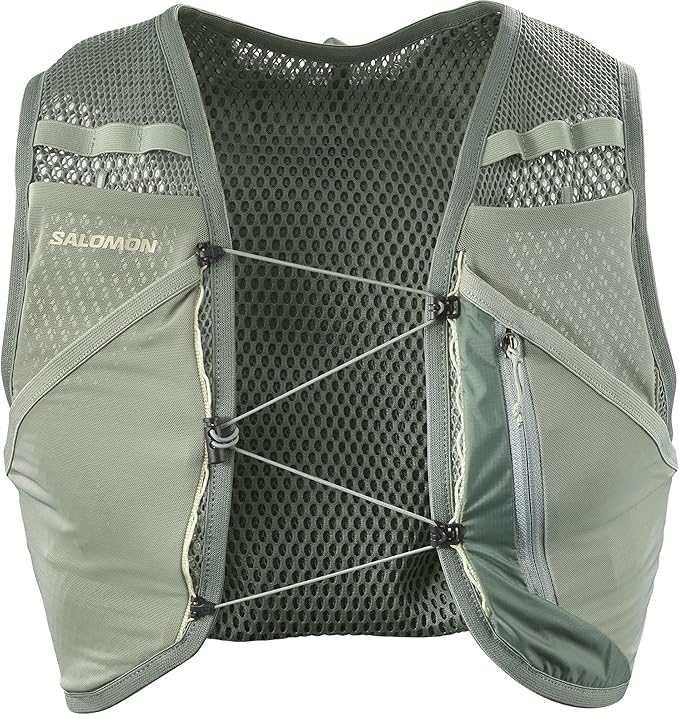
Solid-fabric back panels are the enemy. Look for vests with large mesh windows on the rear panel and ideally a split-back or open-back design that lets air pass through the gap between your shoulder blades and the cargo. Brands like Salomon (ADV Skin series), Nathan (Pinnacle and VaporKrar lines), and Ultimate Direction (Race Vesta and Ultra Vest) have all leaned harder into mesh-dominant constructions in their 2025 and 2026 refreshes. The more skin-contact surface area that's open mesh, the more your body can dump heat — and in Florida that delta is the difference between finishing your long run and walking the last hour.
Front Hydration Over Bladder-Only Designs
A 1.5L–2L bladder in the rear cargo acts like a hot water bottle pressed against your spine for the entire run. In Florida, two 500ml soft flasks in front pockets is a meaningfully cooler setup — you keep weight off your back, you can swap warm water for cold at aid stations or stashed coolers, and you can mix electrolytes in one bottle and keep plain water in the other. Current-generation vests almost universally support both, but make sure the front bottle pockets are deep enough that flasks don't bounce out on rooty singletrack.
Quick-Dry, Anti-Microbial Fabrics
Polyester-elastane mesh blends dry faster than nylon. Vests treated with Polygiene or HeiQ anti-odor finishes hold up better through Florida summer training blocks, where you may not be able to fully dry a vest between back-to-back morning runs. After every run, rinse in cool water and hang inside-out in front of a fan — a vest that smells like a high school football locker by July was not anti-microbial enough.
Flatlock Seams and Bonded Edges
Chafe is the silent ride-killer in humid running. Any seam that crosses a high-friction area — armpits, side of the neck, sternum — needs to be flatlocked or bonded, not overlocked. Run your fingers along the inside of the vest before buying; you should not feel a raised seam against skin that will be soaked for three hours.
Lightweight Total Construction
For summer training in flat-to-rolling Florida terrain, anything over 350g empty is too much. Lighter vests have less fabric volume to soak up sweat, less heat retention, and less material rubbing against you. Ultralight race vests in the 180g–250g range (5L capacity, no bladder sleeve) are increasingly popular for sub-marathon trail efforts in the Sunshine State.
How to Size a Vest for Florida Conditions
Size for your soaked-and-loaded self, not your dry-and-empty self. Once a vest is full of two flasks, gels, a phone, a buff, and an hour of sweat, the fabric stretches and the harness loads differently. Most brands publish chest circumference ranges; if you're between sizes, size down for race-day fit and size up for daily training where you'll carry more. The vest should sit snug enough that flasks don't bounce, but with two fingers of space at the front sternum strap when relaxed. Adjustable bungee or hook closures are far better than fixed buckles in humid conditions because you can tighten progressively as fabric absorbs moisture and slackens.
Hydration Math for Florida Long Runs
Most trail running guidance assumes 500ml–750ml of fluid per hour. In Florida summer, plan on 800ml–1100ml per hour for efforts over 90 minutes, plus 400–600mg of sodium per liter. That means for a 3-hour Sunday long run on Santos or Croom, you're carrying 2.5L+ of fluid or stashing extra bottles on the course. A 5L vest with two front flasks (1L total) and a 1.5L bladder gets you there with room for gels and a phone. Anything less and you're either looping back to your car every 45 minutes or risking serious dehydration. The best trail running vest for hot humid Florida training has to be sized around this hydration reality, not around what you'd carry in a temperate climate.
Pole Carry for Ultra Efforts
The Florida Trail's long sand stretches, palmetto-choked sections of the Ocala National Forest, and the rolling hills near Tallahassee make trekking poles a legitimate accessory for ultra-distance efforts. If you're targeting the Long Haul 100, Skydive Ultra, or any of the FUR-organized races, a vest with dedicated pole-carry loops on the back panel and shoulder straps is worth the slight weight premium. Z-fold collapsible poles are the standard — they break down to roughly 14 inches and stash quickly when you hit a runnable section.
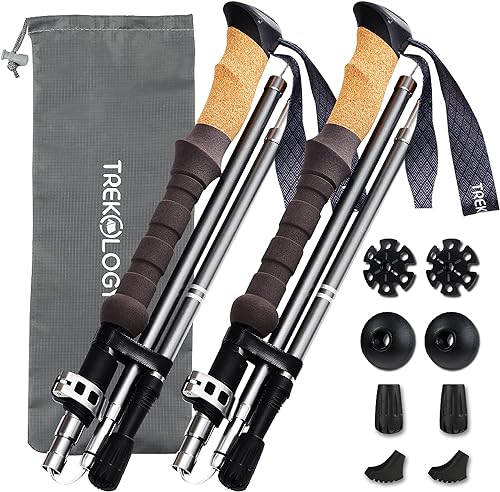
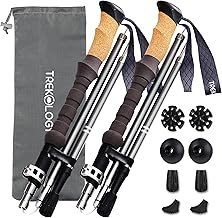
Trekology Trek-Z Cork Grip Folding Trekking Poles
These Z-fold aluminum poles pair well with any 8L+ ultra vest that has external pole loops. The cork grips are critical for Florida humidity — synthetic foam grips get slimy with sweat within an hour, but cork wicks moisture and stays tacky. They collapse to about 15 inches, which fits the diagonal pole carry on most ultra vests, and the push-button locking system holds up to repeated stow-and-deploy cycles during a race. At well under a pound for the pair, they don't penalize you for carrying them when you're not actively using them. TREKOLOGY Trek-Z Cork Grip Trekking Poles.
Sweat Management: The Hidden Variable
Florida summer running produces more sweat volume than almost any running environment in North America. A vest that doesn't manage that sweat ends up adding real weight — a fully saturated cotton-blend vest can gain 200–400g over a long run. Stick to 100% synthetic mesh and stretch fabrics, and consider rotating between two vests during heavy training weeks so each one has 24 hours to fully dry between uses. After every run: rinse in cool water (no detergent — it breaks down the DWR and anti-microbial coatings over time), hang inside-out, and never leave a sweat-soaked vest in a car overnight unless you want to grow a science project on your gear.
Sun Protection Integration
Most Florida summer runs start before sunrise to beat the worst heat, but any run that crosses 8 a.m. needs sun protection. Look for vests that play nicely with arm sleeves and that don't ride up over a tucked sun-protective top. Light-colored vests (white, sand, sage) reflect more solar radiation than black or charcoal models — a real factor when you're under direct sun on the Florida Trail's exposed road-walk sections. Many runners in central Florida prefer a vest in white or light grey for exactly this reason during May–September training.
What to Skip in Florida
Insulated bladder sleeves, fleece-lined chest panels, and any vest marketed primarily for alpine or winter trail running. Vests with heavy waterproof main fabrics rather than mesh. Anything with leather-trim accents (they mold). Models with only rear hydration access. And resist the temptation to buy a do-everything 15L+ vest if your longest summer effort is a 50K — the extra fabric and structure cost you more in heat retention than they gain you in versatility.
Care Routine for the Florida Climate
Hand wash in cool water after every use. Machine wash on gentle cycle only every 4–6 runs, inside a mesh laundry bag, with a fragrance-free detergent or a technical-fabric wash like Nikwax Tech Wash. Never tumble dry — heat degrades the elastane and any reflective trim. Air dry inside-out, ideally in front of a fan. Replace soft flasks every 6–9 months of heavy use; the silicone valves fail before the bottles do. Inspect sternum strap bungees monthly for sun-rot, especially if you store the vest in a vehicle.
For broader summer kit planning, see our hot-weather trail running gear checklist and our breakdown of hydration pack vs vest for trail running. If you're branching into the long sandy stretches of the Florida Trail, our guide to trekking poles for soft sand and palmetto covers pole selection in more depth.
Frequently Asked Questions
What size trail running vest do I need for Florida ultra training?
For 50K–100K Florida ultras, an 8L–10L vest hits the sweet spot. You'll need 2L+ of carried hydration between aid stations during summer, plus electrolyte capsules, gels, a buff or cooling towel, a phone, and ideally collapsible poles for sandy sections. Anything under 5L is too small for hydration math in 90°F+ heat; anything over 12L is more fabric than you need and traps heat against your back.
Are bladders or soft flasks better for hot humid trail running?
Soft flasks in the front pockets are meaningfully better for Florida heat. A bladder sits against your back and acts as an insulator for the water — your liquid stays warm and your back stays hotter. Soft flasks keep the load off your spine, let you swap warm bottles for cold at aid stations, and dry faster after the run. Many Florida ultra runners use only front flasks for runs under 4 hours, adding a bladder only for longer efforts.
How do I prevent chafe with a trail vest in humid weather?
Three layers of defense: a vest with flatlock seams and no raised stitching at contact points, a synthetic technical top underneath (no cotton), and a generous coat of an anti-chafe balm like Squirrel's Nut Butter or Body Glide on shoulders, sternum, and underarms. Re-apply at the halfway point on long runs. Make sure the vest is sized snug enough that it isn't sliding around — most vest chafe comes from movement, not pressure.
Can I machine wash a trail running vest?
Yes, but sparingly. Hand rinse in cool water after every use, and run a full machine wash only every 4–6 uses. Use a mesh laundry bag, cool water, gentle cycle, and a fragrance-free detergent or technical wash. Never use fabric softener (it clogs the moisture-wicking treatment) and never tumble dry. Air dry inside-out away from direct sun.
What's the best color for a Florida summer trail running vest?
White, light grey, sand, and sage all reflect more solar radiation than black or charcoal. The temperature difference at the fabric surface in direct Florida sun can be 15–20°F between a white and a black vest. For runs that finish before 7 a.m., color matters less; for any effort exposed to mid-morning sun, go light.
Do I need trekking poles for Florida trail running?
For most Florida trail runs under 50K, no — the terrain is generally rolling rather than steep. For ultras, fastpacks, and the long sandy stretches of the Florida Trail (especially the Big Cypress and Ocala sections), Z-fold collapsible poles save your legs significantly. They're also useful for the Croom Hilly area when you're 8 hours into a 100K and your quads are done.
How often should I replace a trail running vest?
With heavy Florida summer use, expect a quality vest to last 18–30 months before the mesh starts breaking down or the elastane loses recovery. Soft flasks need replacement every 6–9 months — the silicone valves fail before the bottle structure does. Sternum bungees and shock cord should be inspected every few months for sun damage and replaced as needed. Most vests are field-repairable with shock cord from any outdoor shop.
Key Takeaways
- Choosing the right best trail running vest for hot humid Florida means matching the key features to your specific needs and budget
- Read real customer reviews and check the return policy before you commit
- Also covers: breathable hydration vest Gulf Coast summer
- Also covers: minimal contact vest sweaty runners
- Also covers: mesh trail vest humid southeast
- Compare value across models — the priciest option is not always the best fit