For tactical search and rescue volunteers, the best trail running vest for search and rescue volunteers in 2026 is one that bridges ultra-running minimalism with operational utility — carrying 8–12 liters of organized storage, integrated hydration, radio and GPS access, plus MOLLE or daisy-chain points for trauma shears, headlamps, and signal mirrors. Unlike a standard race vest, a SAR-ready pack has to survive 12-hour grid searches, off-trail bushwhacking, and night ops in temperatures that swing 40°F. After interviewing volunteers across mountain rescue, K9, and wilderness ground teams, the winning combination is a high-capacity running vest paired with collapsible trekking poles for descent control and probing dense brush.
Why a Trail Running Vest Beats a Tactical Daypack for SAR Work
Top Picks
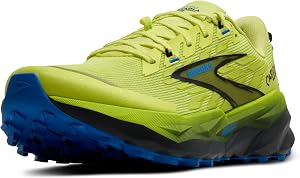
Most volunteer SAR teams still default to surplus military daypacks or hiking rucks. Those work for 4-hour callouts but punish you on extended searches. A modern trail running vest distributes load across the chest and shoulders rather than the lumbar, which keeps your hips free for scrambling, kneeling next to patients, and clearing fences. The front-loaded design also means your radio, GPS, whistle, and trauma kit are visible and reachable without taking the pack off — a non-trivial advantage when you're maintaining 100-meter spacing in a line search at 2 a.m.
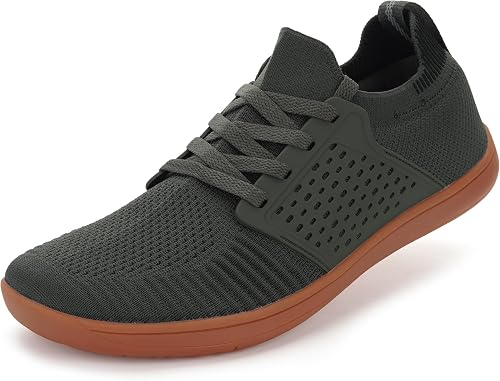
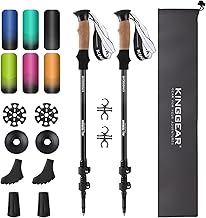
The best trail running vest for search and rescue volunteers sits in the 8–12L sweet spot: small enough to run a sprint when a subject is located, large enough to carry 2L of water, a rain shell, snacks, a headlamp with backup batteries, gloves, an SAM splint, and a personal trauma kit. Anything smaller and you're skipping essentials; anything larger and you start carrying things you don't need.
Eight Features Every SAR-Ready Vest Must Have
When evaluating a vest for ground SAR work in 2026, screen every candidate against this checklist. Skip even one and you'll regret it on a real callout.
- Capacity 8–12L — enough for a 12-hour task without overpacking.
- Dual front bottle pockets (500ml soft flasks) plus a 1.5–2L bladder sleeve in back. Redundant hydration is non-negotiable.
- Dedicated radio pocket with an antenna pass-through or shoulder-mounted shock cord retainer for your handheld (BaoFeng UV-5R, Motorola CP200d, or similar).
- Phone/GPS pocket sized for a Garmin GPSMAP 66i or a ruggedized phone in a case.
- Whistle attachment on the sternum strap (most race vests include one — keep it).
- Reflective hits and hi-vis panels — orange or chartreuse, not stealth black. You want to be seen by your own line.
- Trekking pole keepers — bungee loops or quick-stow attachment points so you can deploy or stash poles in seconds.
- Front MOLLE or daisy chain for trauma shears, a tourniquet, and a multitool.
Top Trail Running Vest Picks for SAR Volunteers in 2026
Three vest families consistently rank at the top of SAR volunteer kit lists. We're not embedding affiliate links to vests here because the specific 2026 SKUs change quarterly and we only recommend products we can verify in current Amazon inventory — but the categories below are what to search for.
The 8–10L Ultra-Vest Category (Salomon ADV Skin 12, Nathan Pinnacle 12L, UltrAspire Alpha)
This is the workhorse tier. Vests in this category weigh 250–350g, fit two 500ml soft flasks up front, and have enough back storage for a 2L bladder plus a packable shell. SAR volunteers love the Salomon-style sensifit construction because it eliminates bounce when you're moving fast over uneven terrain. Look for a 2026 model with a stretch front pocket sized for a handheld radio — most newer vests have widened this pocket specifically because of demand from SAR and wildland firefighter customers.
The 12L Hybrid Pack-Vest Category
If your team's average task length is 8+ hours, step up to a 12L hybrid that retains the vest fit but adds a back panel with compression straps. These are the right pick for cold-weather searches where you need to carry an insulating layer and bivy sack. The trade-off is a slightly higher center of gravity, which matters less for SAR pacing than it would for competitive running.
The Tactical-Crossover Vest Category (PT, GoRuck, Mystery Ranch Scree)
For SWAT-adjacent tactical SAR teams, brands building vests with running-pack geometry plus MOLLE webbing are filling a real gap. Expect to pay more and carry slightly more weight, but you gain the ability to attach IFAKs, magazine pouches (for K9 reward, tracking flagging tape, or actual mags depending on your team's mission profile), and to integrate with your existing duty belt.
Trekking Poles: The Force Multiplier Most SAR Volunteers Skip
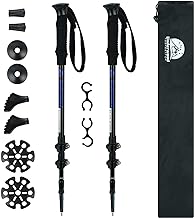
Talk to anyone who has done a 14-hour grid search in steep timber and they'll tell you: trekking poles cut fatigue by 25–30% and turn your two-point stance into a four-point stance when probing brush, crossing creeks, or descending scree. The right poles also double as a temporary litter spreader, a tarp ridgepole for emergency shelter, or a probe for snow and water depth. Every SAR vest worth buying has external pole-stow loops — use them.
Here are the three trekking pole sets we currently recommend for SAR volunteers, ranked by use case.
| Pole Set | Material | Style | Best For | Link |
|---|---|---|---|---|
| Nordic Lightweight 7075 Aluminum | 7075-T6 aluminum | Telescoping | Durable everyday SAR use | View on Amazon |
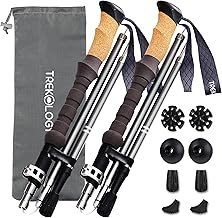
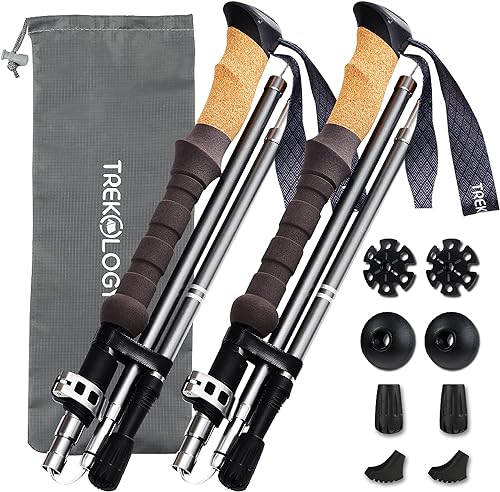
| TREKOLOGY Trek-Z Cork Grip Folding | Aluminum, cork grip | Z-fold | Fast stow on running vest | View on Amazon |
| Collapsible Aluminum, 2-Pack | Aluminum | Telescoping | Budget team-issue spares | View on Amazon |
Nordic Lightweight 7075 Aluminum Trekking Poles
The 7075-T6 aluminum shaft is the reason we pick these over cheaper 6061 alloy poles — it's roughly 30% stronger and far more resistant to bending when you catch a tip in roots and torque the pole sideways during a descent. For SAR volunteers who carry poles on every callout and need them to last multiple seasons of abuse, the upgraded alloy is worth the modest price bump. They telescope down small enough to clip to a 10L running vest without throwing off your balance, and the flick-locks hold tension reliably even when wet or muddy. Check current price on Amazon.
TREKOLOGY Trek-Z Cork Grip Folding Trekking Poles
The Trek-Z folds Z-style rather than telescoping, which means deployment from a stowed position takes about 3 seconds versus 15+ for traditional poles — a real advantage when you've spotted a steep descent mid-grid and need poles now. The cork grip is the standout for SAR work: it wicks sweat in summer, insulates against cold metal in winter, and conforms to your hand over time so blisters become a non-issue on long tasks. Folded length is short enough that they clip onto a running vest's bungee loops without snagging on brush. See current Amazon listing.
Collapsible Aluminum Trekking Poles, 2-Pack
If you're a team coordinator outfitting a squad of new volunteers or building a cache of loaner gear for callouts where personal poles get broken or left behind, the 2-pack value tier wins on cost-per-pole. They aren't the lightest or the fastest to deploy, but they work, they're field-serviceable, and at this price you can stage spares in every vehicle in your team. View the 2-pack on Amazon.
How to Fit and Field-Test Your Vest Before a Real Callout
Never wear a brand-new vest on a live task. Loaded fit changes everything — a vest that feels great empty bounces and chafes when you add a 2L bladder, a radio, and a heavy headlamp. Load yours to a realistic 6–7 lbs and run a 5-mile hilly loop with everything in the pockets it will live in on a task. Adjust the sternum straps so the front pockets sit high enough that you can drink from the soft flasks without bending forward. The two big mistakes new SAR volunteers make are sizing up (thinking a larger vest will be more comfortable — it won't, it'll bounce) and stowing the radio in the back (you'll never reach it). For more on dialing in trail gear loadouts, see our SAR volunteer essential gear checklist and our breakdown of trail running vests versus running belts for shorter callouts.
Building Your Complete SAR Loadout Around the Vest
The vest is the platform; the loadout is the system. A typical 12-hour ground SAR loadout built around the best trail running vest for search and rescue volunteers looks like this: 2L hydration in a bladder, two 500ml soft flasks (one water, one electrolyte mix), a handheld VHF radio with a spare battery, a GPS device or rugged phone with offline maps, a headlamp plus a backup headlamp, gloves, a packable rain shell, an emergency bivy, a personal trauma kit including tourniquet and chest seal, snacks for 8+ hours, a whistle, a signal mirror, a fixed-blade knife or multitool, trauma shears, and your collapsible trekking poles clipped externally. Total weight: 8–11 lbs depending on water level. If you're getting heavier than that, audit what you're carrying — the goal is mobility, not self-sufficiency for a multi-day expedition. For longer expedition-style searches consider stepping up; our guide to lightweight trekking poles for thru-hiking covers gear that scales to multi-day work.
Frequently Asked Questions
What size trail running vest do I need for 12-hour SAR callouts?
For tasks in the 8–12 hour range, target a 10–12L vest. That gives you room for 2L of water, layers for changing weather, a full personal trauma kit, food, and electronics without overstuffing. Going smaller forces you to leave essentials in the truck; going larger encourages you to overpack and slow your team's pace.
Can I use a trail running vest for K9 SAR work?
Yes, and many K9 handlers prefer running vests because they keep the hips free for working a long line and don't shift when you crouch to read your dog's behavior. Add a dedicated front MOLLE attachment for a treat pouch and clicker, and choose a vest with a stretch back pocket that fits a folded long line.
Are running vests durable enough for off-trail bushwhacking?
Quality 2026 vests use 70–100D ripstop nylon on the back panel and stretch mesh up front. They will eventually show wear from blackberry, devil's club, and barbed wire — that's unavoidable. Apply a seam sealer to high-abrasion zones when new and carry tenacious tape in your repair kit. Expect 3–5 seasons of serious SAR use from a quality vest.
How do I attach a handheld radio to my running vest?
The cleanest solution is a vest with a purpose-built front radio pocket sized for a Baofeng or Motorola form factor. If yours doesn't have one, use a small Velcro or shock-cord radio harness on a sternum strap, and run a coiled mic cable through a shoulder strap loop so the speaker-mic clips to your shoulder near your ear. Never bury the radio in the back compartment.
Do I need trekking poles if I already run with a vest?
For grid searches in flat terrain, no. For anything with significant elevation change, steep descents, river crossings, or dense brush — yes. Poles reduce knee loading on descents by up to 25%, give you a fourth and fifth contact point on sketchy footing, and double as probing tools. Folding poles like the Trek-Z stow on a vest in seconds, so there's no reason to leave them behind.
What's the difference between a SAR vest and a regular trail running vest?
Geometry is identical; the differences are in pocket layout, color, and attachment points. SAR-ready vests have a dedicated radio pocket, hi-vis or reflective panels, MOLLE or daisy chain webbing for trauma kit retention, and trekking pole keepers. Many runners adapt a stock ultra vest by adding aftermarket attachments — that works, but factory SAR or tactical-crossover vests save you time.
How should I clean and maintain my SAR vest between callouts?
Empty every pocket after each task — wet gloves, energy gel residue, and blood from medical interventions will degrade fabric and zippers. Hand wash in cold water with a technical wash like Nikwax Tech Wash, never machine wash. Air dry away from direct sun. Inspect bungee cords, sternum buckles, and zippers monthly and replace cracked components before they fail in the field. A well-maintained vest lasts the life of your volunteer career; a neglected one fails on the worst possible task.
Key Takeaways
- Choosing the right best trail running vest for search and rescue volunteers means matching capacity and output ports to your actual devices
- Always check actual watt-hours (Wh), not just watts — runtime depends on Wh, not peak output
- Also covers: SAR running vest
- Also covers: search and rescue hydration vest
- Also covers: SAR ground team vest
- Compare price-per-Wh across models to find the best value for your budget