The best trekking poles for geocaching on urban-suburban mixed terrain in 2026 are lightweight, fast-collapsing aluminum or cork-grip folding poles that disappear into a daypack between caches and deploy in seconds when you hop a curb into a brushy easement. Urban-suburban caching is a stop-and-go sport: you walk concrete, then suddenly probe a thorny lot behind a strip mall, balance across a drainage culvert, or push aside ivy on a powerline cut. You want poles that pack short (under 16 inches), weigh under a pound per pair, and have carbide tips that bite asphalt cracks as confidently as wet clay. Below are three real, in-stock picks plus a buying framework built specifically for cachers — not thru-hikers.
Why geocachers need different trekking poles than hikers
Top Picks
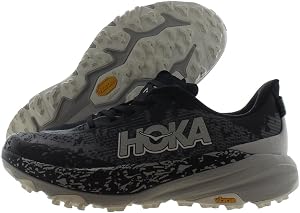
A Pacific Crest Trail hiker uses poles for eight hours a day under load. A geocacher uses them in 90-second bursts, dozens of times per outing, often one-handed while the other hand holds a phone running the Geocaching app. The use case rewards completely different gear traits.
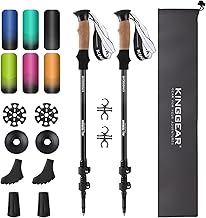
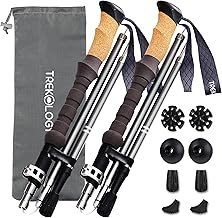
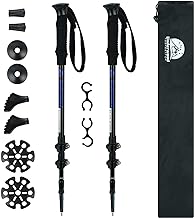
First, packability beats length range. A thru-hiker cares whether a pole extends to 135 cm. A cacher cares whether the pole folds to fit inside or strapped to a 15-liter sling bag without snagging on a parking-lot fence. Folding (Z-style) poles win here because they collapse to 13–16 inches versus 24–26 inches for telescoping-only designs.
Second, deployment speed matters more than micro-adjustability. When you've parked at a P&G (park-and-grab) and the cache is 80 feet into a brushpile, you don't want to twist three sections to length — you want flick-locks or a single push-button release.
Third, tips need to handle mixed surfaces. Sidewalk, decomposed granite trail, mud, root tangles, and occasionally a stormwater grate. Carbide tips with removable rubber boots are the answer; you swap depending on whether the cache is in a city park or a county forest preserve.
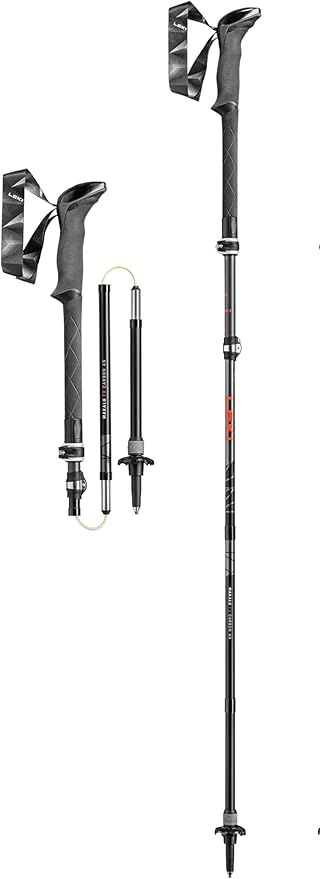
Finally, discretion matters. Muggles (non-cachers) notice people poking under benches with shiny silver sticks. Matte, dark-finish poles look like ordinary hiking equipment, not metal detectors or treasure hunting tools. Choosing trekking poles for geocaching means thinking about how you'll look to a suburban homeowner who glances out the window while you're checking the lamp-post skirt across the street.
Comparison: three real picks for urban-suburban caching
| Pole | Style | Material | Packed length | Best for |
|---|---|---|---|---|
| Nordic Lightweight 7075 Aluminum | Telescoping, flick-lock | 7075 aluminum | ~24 in | Long suburban greenway routes |
| TREKOLOGY Trek-Z Cork Grip | Folding Z-style | Aluminum | ~15 in | Stop-and-go urban P&G runs |
| Collapsible Aluminum 2-Pack | Telescoping | Aluminum | ~25 in | Shared use, budget cacher teams |
The three picks, in detail
TREKOLOGY Trek-Z Cork Grip Folding Trekking Poles — best overall for geocaching
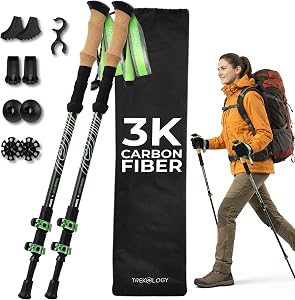
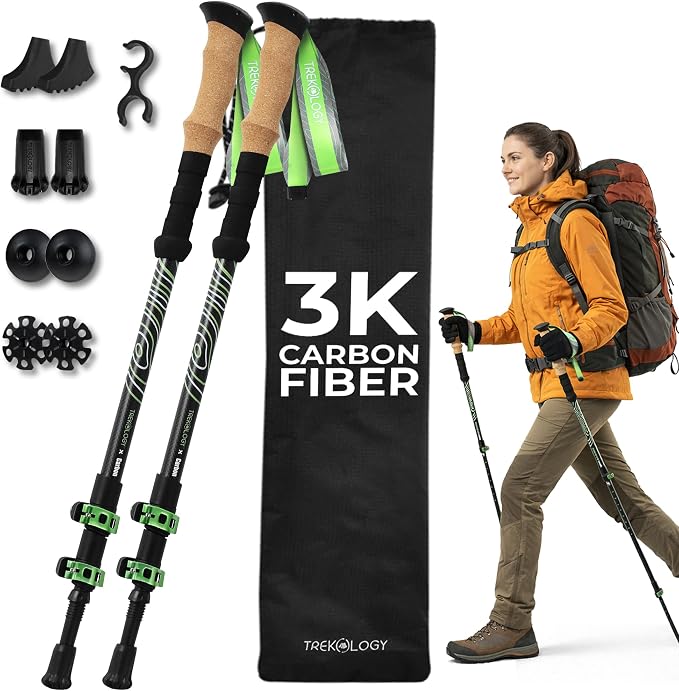
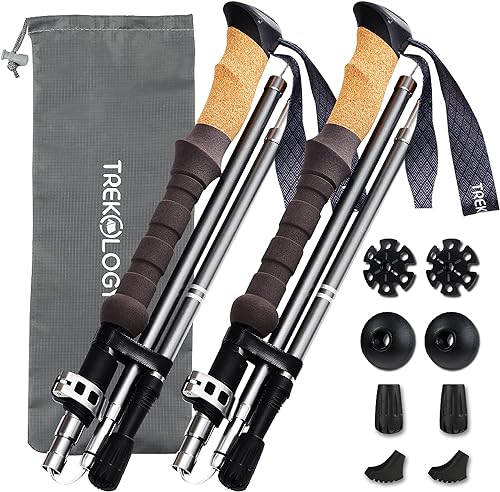
If you only buy one pair of trekking poles for geocaching, make it these. The Z-fold design collapses to roughly 15 inches, which means they slide vertically into a daypack's side pocket or strap to a sling without protruding above your shoulders — critical when you're squeezing through chain-link fence gaps to reach a cache in a railroad easement. The cork grip is the right call for stop-and-go work: cork doesn't get clammy when you switch from holding the pole to thumbing your phone screen, and it stays grippy in summer humidity. Deployment is fast — pull the upper section, the internal cord snaps the lower segments into alignment, and the push-button lock engages. From slung-on-pack to in-hand takes about four seconds. The carbide tips bite into hard-packed dirt around park benches and lamp post bases, and the included rubber boots make them quiet on concrete so you're not announcing yourself in residential cul-de-sacs at dusk. Check current price on Amazon.
Nordic Lightweight 7075 Aluminum Trekking Poles — best for long suburban greenway days
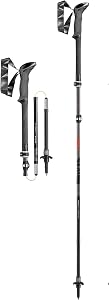
For cachers who plan power-trail runs along rail-trails, paved greenways, or long stretches of suburban bike path with caches every 528 feet, the Nordic poles are a better fit than folding designs. The 7075-grade aluminum is the strongest common aluminum alloy used in poles — meaningfully stiffer than the 6061 you see in budget options — which matters when you're using a pole as a probe to lift bark mulch or check inside a hollow stump. Telescoping flick-locks adjust faster than twist-locks and won't slip when you lean weight on them stepping down a retaining wall. They don't pack as short as the Trek-Z, but if your caching days look more like 6-mile walks with occasional stops than 40-stop urban P&G runs, the rigidity and durability tradeoff is worth it. The 7075 alloy also handles being shoved into rocky soil and pried sideways — a common abuse cachers inflict that snaps cheaper poles. View on Amazon.
Collapsible Aluminum Trekking Poles, 2-Pack — best for caching teams and families
Caching is often a family or group activity, and outfitting two or three people with separate single-pair pole purchases gets expensive. This 2-pack solves that. You get two complete pairs of telescoping aluminum poles at a price point that's hard to match — ideal for a parent caching with a kid, a couple doing weekend power trails together, or a team running an event cache where you want spare poles in the trunk for anyone who shows up unprepared. The build quality is honest budget aluminum (6061, not 7075), so don't treat them as pry bars, but for normal use — walking pavement to forest edge, probing leaf litter, steadying yourself on a creek crossing to a guardrail cache — they work fine. The telescoping design with flip-locks is intuitive enough that a 10-year-old can adjust their own height in 20 seconds. See the 2-pack on Amazon.
How to use trekking poles on actual urban-suburban caching terrain
The terrain on a typical suburban day isn't trail. It's a mosaic. You'll typically encounter five surface types in a single outing, and your pole technique should shift for each.
Sidewalks and parking lots. Keep rubber boots on. Plant lightly — the goal is rhythm and brake support stepping off curbs, not propulsion. Many cachers carry one pole instead of two for the urban segments and only deploy the second when they hit dirt.
Mowed grass strips and park lawns. Boots on or off depending on softness. This is where poles pay rent on suburban hides: probing under park benches, lifting cedar mulch around playground borders, and testing whether that suspicious rock at the base of a sign is a hide-a-key cache container.
Brushy easements and powerline cuts. Boots off, carbide exposed. Use the pole to push aside multiflora rose, poison ivy, and brambles before you commit your hands. This single use case justifies the whole purchase for many cachers — fewer ER visits, fewer rashes.
Drainage ditches and culverts. Both poles in use, planted wide for stability. A wet concrete drainage channel under a bridge is one of the most common urban cache hides and one of the easiest places to slip. Carbide tips on bare concrete give you a real bite.
Woodlot interiors. Suburban woods behind subdivisions are typically only 50–300 yards across but laced with deadfall, ankle-grabbing greenbrier, and the occasional unmarked drop-off into a creek. Standard hiking pole technique applies here — plant slightly ahead, step through, repeat.
Tip protection, replacement, and the muggle factor
Carbide tips are consumable. Heavy pavement use wears them down within a season for active cachers. Buy a replacement set when you buy the poles — both featured pole brands sell compatible tips, and swapping them is a 30-second job with the included tool or a small Phillips screwdriver. Always carry the rubber boots in a pocket; the sound difference between carbide on concrete (a sharp tick-tick that carries 100 feet) and rubber on concrete (silent) is the difference between subtle caching and getting questioned by curious neighbors.
For the muggle factor itself: matte-black grip wrap (electrical tape works) over shiny silver sections makes any pole less conspicuous. Some cachers also wrap the upper shaft in cheap camo tape so the poles read as "hiker gear" rather than "metal detector" at a glance.
Where poles fit into the rest of your caching kit
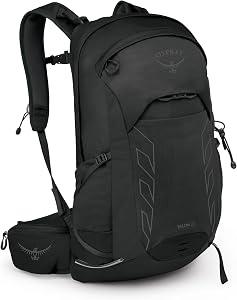
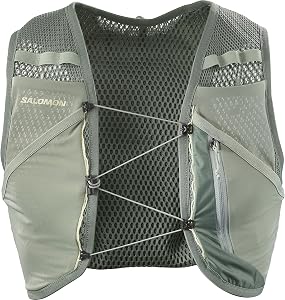
Trekking poles are one piece of a urban-suburban caching loadout. Most active cachers also pair them with a small daypack or sling for swag and tools, a headlamp for after-dark P&G runs, and tick-resistant gaiters or treated socks for brushy easements. For a deeper dive into supporting gear, see our guide to best hydration vests for urban geocaching and our breakdown of best daypacks for suburban power trails. If you're new to the sport and shopping the broader category, our overview of best budget trekking poles in 2026 compares the wider field beyond geocaching-specific picks.
Frequently Asked Questions
Do I really need trekking poles for urban geocaching?
For pure park-and-grab caching on sidewalks, no — but the moment your finds list includes anything labeled "terrain 2 or higher," or you start chasing power trails through suburban greenways with brushy edges, poles repay their cost in the first outing. The biggest wins are probing under hides without putting your hand on a spider or copperhead, pushing through poison ivy on easements, and steadying yourself on wet concrete culverts where most urban caches live.
Are folding or telescoping poles better for geocaching?
Folding (Z-style) poles are better for stop-and-go urban caching because they pack to 13–16 inches and disappear into a daypack between finds. Telescoping poles are better for long greenway sessions where you keep poles deployed for miles. Most active cachers settle on folding poles after their first season because the pack-and-redeploy cycle is so much faster.
What length trekking poles should I get for suburban caching?
Use the standard hiking formula: with the pole tip on the ground, your elbow should form a 90-degree angle at the grip. For most adults that means roughly 110–125 cm. Adjustable poles let you shorten by 5–10 cm for downhill drainage ditches and lengthen for uphill greenway climbs. If you're buying for a kid caching partner, look for poles that adjust down to 100 cm or below.
Will trekking poles damage cache containers?
Not if you use rubber boots when probing. Carbide tips can scratch or puncture lock-and-lock containers, magnetic key holders, and especially thin-walled film canisters. Once you're within a few feet of GZ (ground zero), slip the rubber boots on and probe gently — or use your hands once the area is visually cleared of hazards.
Can I fly with trekking poles for cache-during-travel trips?
Yes, but only in checked baggage. TSA prohibits trekking poles in carry-on bags, including folding models. If you travel for caching events, the Trek-Z folding design fits easily inside a standard checked roller bag without needing a separate pole tube.
How do I clean trekking poles after wet or muddy suburban caches?
Rinse with a garden hose, extend all sections fully, and let them air-dry before re-collapsing. Trapped moisture inside telescoping sections is the most common cause of internal corrosion and stuck locks. For folding poles, wipe down the internal cord with a dry cloth every few outings to extend its life.
Are aluminum or carbon fiber poles better for caching abuse?
Aluminum, easily. Carbon fiber is lighter and stiffer but snaps catastrophically when leveraged sideways — which is exactly what cachers do when using a pole to lift a log or pry up a flat rock. Aluminum bends before it breaks and tolerates the prying, probing, and occasional drop in a parking lot that defines real-world geocaching use.
Key Takeaways
- Choosing the right trekking poles for geocaching means matching capacity and output ports to your actual devices
- Always check actual watt-hours (Wh), not just watts — runtime depends on Wh, not peak output
- Also covers: geocacher walking poles
- Also covers: urban cache hunting poles
- Also covers: compact poles for geocaching
- Compare price-per-Wh across models to find the best value for your budget