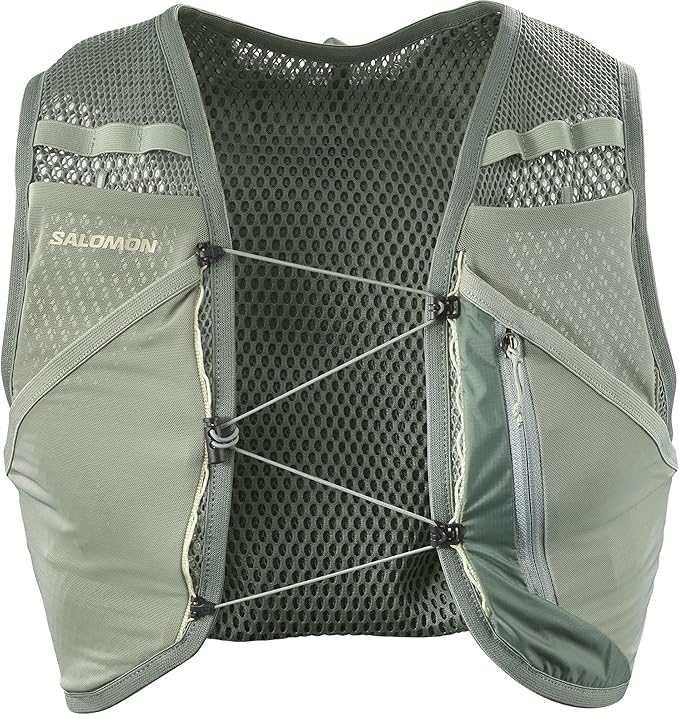
If you are searching for a hydration vest for postpartum breast pumping runners, you need three things the pre-baby running world rarely talks about: stretchy front pockets large enough to hold a wearable pump like the Elvie or Willow, soft sternum straps that do not press on engorged or leaking ducts, and a back reservoir bladder you can fill with extra water because lactating bodies burn through fluid faster. In 2026 the best options for postpartum pumping runners are 5L to 8L vests with bra-style front panels, side-entry bottle pockets you can reach without unclipping, and adjustable bust sizing that grows or shrinks as your milk supply settles. This guide walks you through what to look for, how to size after birth, how to actually pump mid-run, and the edge cases nobody warns you about.
Why a regular hydration vest fails postpartum runners
Top Picks
Standard hydration vests are designed around a flat, non-lactating chest. The front bottle pockets sit directly over the breast tissue, the sternum straps cross right where milk ducts are most tender, and the volume is calibrated for a runner who is not also producing 25 to 35 ounces of milk per day. For a postpartum runner returning to trails at six, twelve, or sixteen weeks, those design assumptions create three specific problems.
Finding the right hydration vest for postpartum breast pumping runners comes down to matching watt-hours to your actual power needs.
First, pressure. A snug vest worn over engorged breasts can trigger clogged ducts or even mastitis if you wear it for more than 45 minutes without relief. Lactation consultants increasingly flag tight chest compression during exercise as a contributing factor in recurrent plugged ducts. Second, leakage. Without absorbent layering or removable pads, letdown during a run soaks through the vest fabric and the soft flask sleeves, which then take 24 hours to dry and start to smell. Third, volume. A nursing parent loses an additional 500 to 700 mL of fluid daily through milk production alone, on top of normal sweat losses, so the typical 1.5L bladder is undersized for anything longer than a 60-minute effort.
A purpose-fit hydration vest for postpartum breast pumping runners solves all three by widening the front panel, lowering the sternum strap, and adding stretch mesh pockets sized specifically for the round disc of a wearable pump cup.
The eight features that actually matter
1. Stretch mesh front pockets sized for wearable pumps
Elvie Stride cups measure roughly 4.5 inches across. Willow Go cups are about 4.3 inches. Momcozy M5 cups are 4.4 inches. You want front bottle pockets made of four-way stretch mesh that can accommodate either a 500 mL soft flask or a pump cup, not a fixed-diameter hard sleeve. Vests built for ultra runners with rigid flask-shaped pockets will not stretch enough to hold a pump without crushing the suction seal.
2. Adjustable bust sizing across two or three settings
Your bra size in week four postpartum is not your bra size in week sixteen. Look for vests with at least two front sternum strap positions and elastic side cinches on both sides. Some brands now sell a dedicated XS-postpartum and S-postpartum cut that runs wider through the bust and shorter through the torso to clear a still-distended belly.
3. Low or split sternum strap
A single high sternum strap will sit directly across the milk line. A low strap (positioned below the bust) or a split Y-strap that splits above and below the bust line distributes pressure off the lactating tissue. This is the single biggest comfort upgrade for the first six months postpartum.
4. Removable, washable bust padding
Even if you wear nursing pads inside your sports bra, letdown will eventually reach the vest. Removable foam or bamboo bust pads that snap or velcro in let you wash the contact layer separately and air the vest itself faster. Avoid sewn-in padding which traps moisture against the fabric.
5. A 2L or larger reservoir bladder
For runs over 45 minutes while nursing or pumping, upgrade from the standard 1.5L bladder to a 2L or even 2.5L. Lactating runners report needing 30 to 40 percent more fluid than their pre-pregnancy baseline for the same effort and temperature. A 2L bladder plus two 500 mL front flasks gives you 3L total, which is the right range for a 2-hour summer trail run with a wearable pump session midway.
6. Storage for collected milk
If you pump mid-run, you need somewhere to put 4 to 8 ounces of expressed milk that is not next to the warm sun-exposed back panel. Look for an insulated mid-back pocket or plan to carry a small soft cooler sleeve in one of the rear stash pockets. Some postpartum-focused vests now ship with a tiny gel-pack pocket sized for a Polar Bear 2-ounce gel.
7. Single-handed bottle access
You will eventually run with a baby in a stroller or hold a baby at the trailhead. Front flask pockets with downward-facing magnetic closures or tall vertical bungee pulls let you drink and replace the flask one-handed. Reaching behind to wrestle a bottle into a side pocket is impossible with a stroller in your other hand.
8. Soft, abrasion-light shoulder edges
Postpartum skin is more reactive, especially if you are also wearing a nursing bra with seams. Avoid vests with binding tape or thick stitched edges along the shoulder yoke. Flat-locked seams and bound-elastic shoulder straps stay friendly to skin even on long humid runs.
Sizing a vest in the first 16 weeks postpartum
Most brand size charts are built around a static rib cage and bust measurement. Postpartum bodies change weekly. Here is a practical sizing approach that has worked for the running parents we have surveyed.
At weeks four to eight, your rib cage may still be one to two inches wider than your pre-pregnancy baseline as relaxin slowly leaves the system. Size to your current rib measurement, not your goal measurement. Buying a vest that is one size up and tightening the side cinches works better than buying your old size and stretching it out, because over-stretched mesh will not recover its shape.
At weeks eight to sixteen, supply usually regulates, and bust volume can swing dramatically between a freshly-fed and a four-hours-overdue state. Test the vest fit at both ends: try it on right after a feed or pump session, then again four hours later. If the sternum strap leaves a red welt in the engorged state, the vest is too tight and you need either a larger size or a wider sternum strap.
After sixteen weeks, most runners can return to their standard vest size, though bust pocket stretch is still nice to have if you continue pumping. Some parents keep their postpartum vest as a long-run vest and use a smaller race vest for shorter sessions when they can skip the pump.
For more on returning-to-run timing, see our guide on postpartum trail running return timelines and the related piece on sports bras that work under a hydration vest while nursing.
How to actually pump mid-run
The mechanics of pumping mid-run with a wearable pump and a hydration vest are not obvious until you try it. Here is the sequence most experienced postpartum trail runners follow.
Before the run, insert the wearable pump cups into your sports bra but do not turn them on. Put the hydration vest on over the cups. Confirm that the front pockets do not press on the cup motors and that the sternum strap does not break the cup seal. If you feel suction loss when you tighten the vest, loosen the sternum strap one notch.
At your planned pump point (most parents do this at the 30 to 45 minute mark), find a flat section of trail, slow to a walk, and activate the pumps via the app or the manual button through the vest fabric. Some vests now have a small magnetic flap over each front pocket exactly so you can reach the pump button without removing the vest. Walk briskly for 12 to 18 minutes, which is a typical full pump session, then resume running. The cups will continue collecting until full or until you stop them.
After the run, immediately remove the cups, transfer milk to a clean bottle, and refrigerate or place on ice. Milk pumped during exercise has been shown in studies to be safe and nutritionally equivalent to milk pumped at rest, so do not throw it out unless it was directly contaminated. For ice-pack logistics on hot days, our piece on carrying breast milk on long trail runs covers what to use.
Hydration math for nursing runners
The general guideline of 16 to 24 ounces per hour of moderate effort goes up when you are lactating. A useful working number for the year 2026 based on sports-nutrition research is your normal hourly fluid need plus 8 to 12 additional ounces per hour to cover milk production losses during the activity itself.
That means a one-hour run in mild weather where you would normally drink 20 ounces becomes a 28 to 32 ounce run while lactating. A two-hour summer trail effort can easily push past 90 ounces. This is why the 2L bladder upgrade matters: a 1.5L bladder plus two 500 mL flasks gives you 84 ounces, which is borderline for a 2-hour effort in the heat. A 2L bladder plus two flasks gives you 100 ounces, which gives you margin.
Add an electrolyte mix to at least one of your front flasks. Lactating bodies lose sodium not only through sweat but also through milk itself, and chronic low-grade hyponatremia is a real risk for parents running long. Tablets that dissolve at 300 to 500 mg sodium per serving work well for most postpartum runners. Avoid anything with herbal lactation-suppressing ingredients like sage or peppermint extract in the early months if you want to maintain supply.
Edge cases nobody warns you about
A few situations that catch new postpartum runners off-guard.
Letdown triggered by running motion. The rhythmic bounce of running can trigger letdown even without a pump attached. If you are not wearing pump cups or nursing pads, you may finish a run with two visible wet spots on your vest. Always wear nursing pads under your bra, and consider a darker-colored vest for the first few months.
Cluster-feed days. On days when your baby clusterfed overnight, your supply may feel low and you may be more dehydrated than usual at the start of your run. Drink an extra 12 ounces before heading out and shorten the planned distance.
Cold weather and stored milk. In sub-freezing temps, milk stored in your vest back pocket can begin to freeze, which is fine, but the insulation between you and the bladder may also freeze the bladder hose. Insulated hose covers solve this. Some postpartum runners route the hose under the vest against body heat.
C-section incision pressure. If you are returning to running after a cesarean, the lower hip belt of some vests can sit directly on the incision line through the first three to four months. Choose vests with no hip belt or with an adjustable belt you can ride high above the scar.
Frequently Asked Questions
How soon postpartum can I run with a hydration vest and wearable pump?
Most providers clear postpartum runners for low-impact return around six to eight weeks vaginally and ten to twelve weeks after a cesarean, assuming pelvic floor and core readiness. Wearing a hydration vest with a wearable pump is fine from the first cleared run, provided the vest does not compress your chest uncomfortably and you have been pumping successfully at rest first. Do not introduce the vest and the pump on the same first run, troubleshoot them separately.
Will running with a wearable pump under a hydration vest affect my milk supply?
Current research suggests moderate-intensity exercise does not reduce milk supply or change milk composition in any clinically meaningful way, as long as the runner stays well-hydrated and adequately fueled. The pressure of a properly-fitted vest does not impair supply either. Chronic under-hydration or under-fueling can suppress supply, which is why the 2L bladder and electrolyte strategy above matters.
Can I wash a hydration vest after milk leaks on it?
Yes. Rinse the affected area immediately in cool water (hot water sets milk protein into the fabric), then hand-wash the vest in mild detergent and air-dry. Do not machine-dry, the heat damages stretch mesh and bladder fittings. Spot-treating with a small amount of enzyme detergent works well for set-in milk stains.
What size soft flask fits a wearable pump pocket?
If your front pockets are sized to hold either a 500 mL soft flask or a wearable pump cup, you can usually drop down to a 350 mL or 250 mL flask in the same pocket on pump-and-run days, keeping the pump in the dominant-side pocket and the small flask in the other. Many postpartum runners carry one small flask plus the pump on shorter runs and switch to two 500 mL flasks plus a bladder on long runs.
Do I need a special bra under a postpartum hydration vest?
A pumping or nursing sports bra with removable cup access is ideal, especially if you plan to pump mid-run. Pull-aside bras work better than clasp bras under a vest because the clasps can press into your ribs through the vest fabric. High-impact support is non-negotiable, the extra bust volume during lactation needs real structural support.
Can I pump on a treadmill run instead of a trail run?
Yes, and treadmill running is actually easier for the first few sessions because you can watch the pump apps, adjust the vest, and stop instantly if something feels off. Many returning runners do their first two or three vest-and-pump sessions on a treadmill before taking the setup to the trail.
How do I clean the wearable pump cups after a run?
Disassemble the cups immediately after pumping, rinse with cool water, then wash all milk-contact parts in warm soapy water at the trailhead if you have a water jug, or transport in a wet bag and clean at home. Sterilizing once daily is enough for most users. Never leave milk-contact parts assembled and unwashed in your vest for hours, bacterial growth is rapid at body temperature.
Key Takeaways
- Choosing the right hydration vest for postpartum breast pumping runners means matching capacity and output ports to your actual devices
- Always check actual watt-hours (Wh), not just watts — runtime depends on Wh, not peak output
- Also covers: breast pump trail vest
- Also covers: wearable pump running vest
- Also covers: lactating runner hydration
- Compare price-per-Wh across models to find the best value for your budget