If you're shopping for the best trail running vest postpartum C section recovery, the answer comes down to four non-negotiables: a low-rise sternum strap that sits above (never across) your healing incision, soft stretch-mesh front pockets that don't bounce or compress your lower abdomen, fully adjustable side cinches to accommodate a changing core, and a loaded weight under 1.5 lbs so your pelvic floor isn't fighting gravity for hours. After a Cesarean, your transverse abdominis and fascia are still rebuilding for 6-12 months, and the vest you choose can either support that healing or actively sabotage it.
This 2026 guide walks through the exact spec sheet to use when comparing vests, the timeline most pelvic-floor physical therapists recommend before loading a vest with 1-2L of fluid on technical singletrack, and the complementary stability gear that lets you start the walk-run progression sooner and safer.
Why C-Section Recovery Changes Trail Vest Selection
Top Picks
A Cesarean is major abdominal surgery. The lower-transverse incision cuts through skin, fascia, and the rectus sheath, and although the skin heals in 2-3 weeks, the underlying fascia continues remodeling collagen for 6-12 months. Any vest hardware, strap, or bottom hem that sits in that zone can cause re-irritation, scar adhesion pulling, or numbness from compressed nerve endings (especially the ilioinguinal nerve, which is commonly affected post-Cesarean).
Standard trail running vests are designed around an athletic, non-postpartum torso — short front panels, narrow sternum straps that ride low, and side cinches that bite into soft tissue. None of that works for a body that is still rebuilding core stability and dealing with intra-abdominal pressure changes. The right vest treats your midsection as off-limits and routes all load to your shoulders and rib cage.
Key Features for a Postpartum Trail Running Vest
When you're vetting models, work through this checklist before you put one in the cart:
- Sternum strap height adjustability with at least 3-4 positions. You want the lowest strap to sit at or above the bottom of your sports bra — never on the soft belly below your sternum.
- Bottom hem length. The vest should end at or above your natural waist, not drape over your lower abdomen. A 13-15 inch front panel (measured from shoulder seam) typically clears a Pfannenstiel incision.
- Soft front pocket material. Stretch power-mesh, not stiff Cordura. Soft flasks should sit high on the chest, not low against the ribs or belly.
- Side cinch system, not buckle clips. Bungee-cord side adjustment lets you loosen the vest 1-2 inches when bloating, milk letdown, or a postprandial belly happens mid-run.
- Loaded weight under 1.5 lbs. Pelvic floor loading is cumulative — a heavier vest plus a hydration bladder plus elevation gain plus impact can push a healing pelvic floor over its symptom threshold.
- Bra-friendly back panel. Many postpartum runners use a high-support nursing bra; the vest's back panel shouldn't conflict with the bra band or clip.
- Easy front-access hydration. You'll be drinking more if you're nursing — 90-120 oz/day baseline plus replacement for sweat losses. Front soft flasks beat back bladders for postpartum hydration compliance.
For a deeper dive on sizing, see our trail running vest sizing guide, which walks through how to measure a postpartum torso accurately (hint: your pre-pregnancy size is almost never correct in the first 12 months).
When Is It Safe to Return to Trail Running After a C-Section?
The 6-week postpartum appointment clears you for "exercise," but that is not the same as clearing you for loaded trail running. A 2024 consensus statement from the International Olympic Committee on returning to sport postpartum recommends a graduated 12-week progression for any high-impact activity, with explicit pelvic-floor physical therapy clearance before adding load (i.e., a hydration vest).
A realistic, conservative timeline for the best trail running vest postpartum C section progression looks like this:
- Weeks 0-6: Walking only. Diaphragmatic breathing, gentle pelvic floor reconnection.
- Weeks 6-12: Pelvic floor PT evaluation. Walking with elevation. Begin loaded walks with an empty vest (no fluid yet) to test scar tolerance.
- Weeks 12-16: Walk-run intervals on flat-to-moderate trail. Vest with 250-500ml of fluid in front flasks only.
- Weeks 16-24: Progressive run volume, gradually loading the vest up to your normal training weight.
- 6+ months: Most runners can return to full vest-loaded technical trail running, assuming no symptoms (leaking, heaviness, pain, doming).
Our full postpartum return-to-running timeline covers symptom red flags and the exact tests pelvic PTs use to clear loaded running.
Complementary Gear: Trekking Poles for the Walk-Run Phase
Here's the gear secret most postpartum guides miss: trekking poles are arguably the single best piece of equipment for the C-section return-to-trail phase. Research on pole use shows a 12-25% reduction in ground reaction force at the knee and hip, which translates directly to less downward load on the pelvic floor and less shear stress on a healing incision during downhill sections. Poles also engage the upper body, taking propulsion load off a still-rebuilding core.
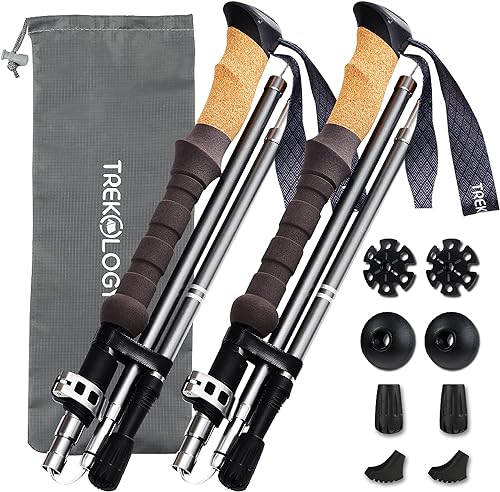
For the weeks-6-to-16 window, when you're walking and walk-running with a lightly loaded vest, poles are what let you tackle real trail terrain instead of being stuck on flat bike paths. Three models worth looking at in 2026:
| Model | Weight (pair) | Grip | Best For Postpartum Use Case |
|---|---|---|---|
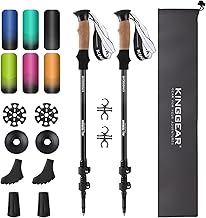
| Nordic 7075 Aluminum | ~1.0 lb | EVA foam | Lightest option; minimizes shoulder/upper-back fatigue during long recovery walks |
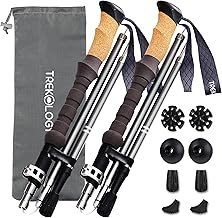
| TREKOLOGY Trek-Z Cork | ~1.1 lb | Cork | Folding Z-design packs into a vest's rear stash pocket between use; cork wicks sweat |
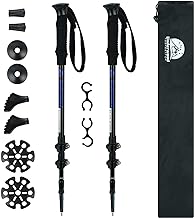
| Collapsible Aluminum 2-Pack | ~1.3 lb | EVA foam | Budget option for partners who hike together; durable for technical descents |
Nordic Lightweight 7075 Aluminum Trekking Poles
These are the pick if pure weight matters most — and for postpartum walking and walk-running, it absolutely does. At roughly a pound for the pair, they're light enough that your shoulders aren't fatigued at mile 3, which is when most return-to-trail walks fall apart. The 7075 aluminum shaft is the same alloy used in aerospace applications, so they handle real trail abuse without the carbon-fiber price tag. Twist-lock height adjustment lets you shorten them on climbs (taking load off your core) and extend them on descents (absorbing impact through your arms instead of your pelvic floor). Check current price on Amazon.
TREKOLOGY Trek-Z Cork Grip Folding Trekking Poles
The Trek-Z is the better choice if you want poles that disappear into your vest when you transition from walking to running intervals. The Z-fold design collapses to about 15 inches, which fits in most trail vest rear stash pockets or side bottle sleeves. Cork grips are a real advantage for postpartum runners — hands often swell with hormonal fluid retention in the early postpartum months, and cork conforms to slightly larger hands more comfortably than EVA. The flick-lock mechanism is fast enough to adjust one-handed if you're holding a baby carrier or stroller on a multi-modal outing. View on Amazon.
Collapsible Aluminum Trekking Poles, 2-Pack
If you and a partner are doing return-to-trail walks together (which many postpartum couples do — it's good baby-out-of-the-house time), the 2-pack drops the per-pair cost significantly. The aluminum construction is durable enough for the technical descents where postpartum runners need pole support most, and the collapsible design fits in a daypack when you're carrying the baby in a front carrier. Pair these with a low-rise hydration vest and you have a complete walk-run recovery setup for under $100 total. See the 2-pack on Amazon.
For more on matching poles to terrain and body type, see our guide to the best trekking poles for stability.
Fit and Sizing Tips for Postpartum Bodies
Your rib cage is wider than it was pre-pregnancy. Relaxin — the hormone that loosened your pelvis for delivery — also loosened your rib cage attachments, and for many people, the rib cage stays 1-2 inches wider permanently. This means your pre-pregnancy vest size is almost certainly wrong. Measure your rib cage at the bra band and add the manufacturer's recommended overlap (usually 2-4 inches). Size up if you're between sizes — a slightly loose vest with proper side-cinch tension is far better postpartum than a snug vest that compresses a softer midsection.
Try the vest on with the bra you'll actually run in (typically a high-support encapsulation-style nursing bra, not a compression bra) and with a full 500ml soft flask in each front pocket. Walk in it for 10 minutes, then jog in place for 60 seconds. If the bottom hem touches your incision scar, if any strap creates a pressure point on your lower belly, or if the flasks bounce against your sternum — wrong vest. Try again.
Hydration and Nutrition for Nursing Trail Runners
If you're breastfeeding, your baseline fluid needs jump roughly 32 oz/day above pre-pregnancy. Add sweat losses from trail running and you can easily need 120-150 oz on a long-run day. This is another argument for front-flask vests over rear-bladder vests: postpartum and nursing runners drink more when fluid is visible and accessible, and milk supply is sensitive to dehydration within hours.
Carry electrolytes — sodium and potassium losses spike if you're sweating and nursing on the same day — and don't skip mid-run fueling. Postpartum metabolism plus lactation can easily push your caloric demand 500-700 calories above baseline; bonking on a recovery run sets back your aerobic rebuild and can suppress milk supply for 24-48 hours.
Frequently Asked Questions
How long after a C-section can I wear a loaded hydration vest?
Most pelvic-floor physical therapists clear empty-vest walking at 6-8 weeks postpartum and lightly loaded vest walking (under 500ml total) at 10-12 weeks, assuming uncomplicated healing. Wait until at least 12-16 weeks for any vest load above 1L, and only after a pelvic PT has confirmed your core and pelvic floor can handle the intra-abdominal pressure. Scar adhesions can pull painfully if a vest hem rubs the incision before fascial healing is complete.
Will a trail running vest compress my C-section scar?
It shouldn't — and if it does, the vest is wrong. A properly fitted postpartum vest ends at or above the natural waist, well clear of a Pfannenstiel (bikini-line) incision. The side cinches should sit at the rib cage, not the soft abdomen. If you feel any pressure, numbness, or pulling near the scar after a run, switch to a shorter-cut model or a women-specific design with a higher hem.
What size trail running vest should I buy postpartum?
Measure your rib cage at the underbust line, not your pre-pregnancy bra size. Your rib cage is likely 1-2 inches wider permanently due to relaxin-mediated remodeling during pregnancy. Size up if between sizes — a slightly loose vest with properly tensioned side cinches is far more forgiving postpartum than a tight vest that compresses a still-soft midsection or a milk-engorged chest.
Can I use trekking poles with a hydration vest?
Yes, and for postpartum trail running it's an underrated combination. Foldable Z-style poles like the TREKOLOGY Trek-Z stash in the vest's rear pocket between sections. Poles reduce ground reaction force at the knee and hip by 12-25%, which translates to less downward load on the pelvic floor — especially valuable on descents during the return-to-run phase.
Is a running belt better than a vest for early postpartum return?
For the first 8-12 weeks of walking, a soft running belt that sits at the rib cage can be more comfortable than a vest. But once you start adding fluid volume above 500ml, a vest distributes load across both shoulders and the rib cage, which is gentler on a healing pelvic floor than a belt sitting on the hips. Most postpartum runners transition from belt to vest around weeks 10-14.
What features matter most in the best trail running vest postpartum C section runners can use?
In priority order: (1) bottom hem that clears your incision, (2) adjustable low-rise sternum straps, (3) soft stretch front pockets for flasks, (4) bungee side cinches for changing core dimensions, (5) loaded weight under 1.5 lbs, (6) compatibility with a high-support nursing bra. Brand and color don't matter; these six fit elements do.
Should I see a pelvic floor PT before buying a trail vest?
Yes, before loading it. You can buy and walk in an empty vest after your 6-week clearance, but get a pelvic-floor physical therapy assessment before adding fluid load or running intervals. PTs can identify diastasis recti, scar adhesions, and pelvic-floor coordination issues that a loaded vest will aggravate. In most US states a PT visit no longer requires a physician referral, and many insurance plans now cover postpartum pelvic PT as preventive care.
Key Takeaways
- Choosing the right best trail running vest postpartum C section means matching capacity and output ports to your actual devices
- Always check actual watt-hours (Wh), not just watts — runtime depends on Wh, not peak output
- Also covers: postpartum running vest
- Also covers: C section recovery running pack
- Also covers: new mom trail running vest
- Compare price-per-Wh across models to find the best value for your budget