If you're hammering pedals all day and want to add hill running for cardio and leg strength, trail running shoes for bike couriers need to do three things well: deliver aggressive grip on loose dirt and wet rock, stabilize the ankle laterally (your calves are bike-strong but your stabilizers are underdeveloped), and absorb the pounding impact your knees aren't used to from spinning. In 2026, the best picks for cross-training couriers split between aggressive lugged shoes for technical terrain and hybrid road-to-trail shoes for mixed urban-to-park routes. Below, we break down what to look for, our top picks, the supplementary gear that makes hill workouts safer when transitioning from cycling, and the training mistakes to avoid in your first month off the bike.
Why bike couriers need different trail shoes than typical runners
Top Picks
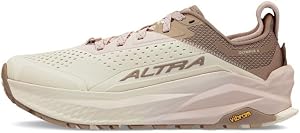
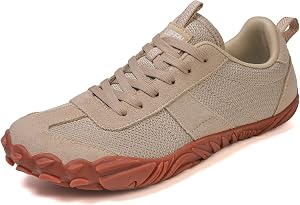
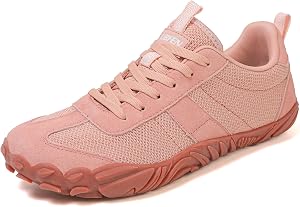
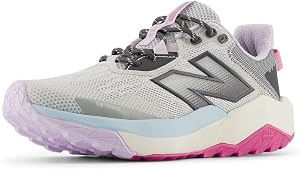
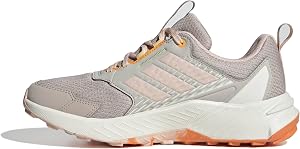
Bike couriers come to trail running with a unique physiological profile. Your quads and calves are already at endurance-athlete level from 30-50 mile delivery days, but the eccentric muscle contractions involved in downhill running, the lateral stabilization needed for off-camber roots and rocks, and the ankle proprioception required on technical singletrack are all systems you haven't stressed. That mismatch is exactly why the wrong trail running shoes for bike couriers can result in early-onset Achilles tendonitis, peroneal strain, or stress reactions in the metatarsals within the first six weeks of consistent hill training.
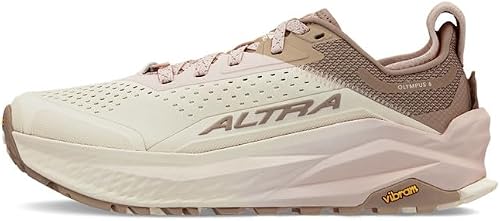
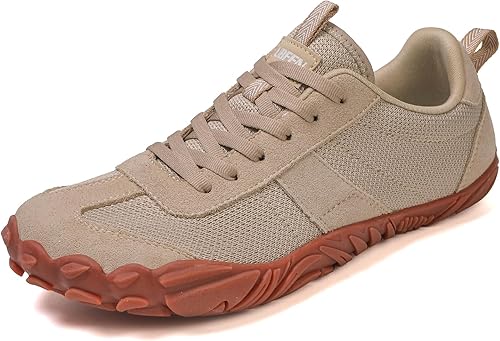
The right shoe compensates for what cycling didn't build. You want a wider toe box than your cycling shoe (your forefoot has been clipped in and narrow for years), a rock plate or firm midsole to protect bones unaccustomed to ground impact, and a heel-to-toe drop somewhere between 4mm and 8mm — low enough to encourage a midfoot strike that's easy on the calves you've already overdeveloped, but not so minimal that your underused intrinsic foot muscles get overwhelmed in week one.
Key features to look for in 2026
Lug depth and pattern
For couriers cross-training on park trails, fire roads, and rolling hills, 4-5mm lugs are the sweet spot. Anything deeper (6mm+) is overkill for non-technical terrain and will feel clumsy if you also wear the shoes on pavement between trailheads. Multidirectional lugs handle the side-to-side forces of switchbacks and off-camber sections far better than purely longitudinal patterns.
Rock plate vs. soft midsole
If your cross-training routes include rocky New England-style singletrack or shale-strewn fire roads, a rock plate is non-negotiable. For cushier dirt trails, a firm EVA midsole without a plate gives you better ground feel — useful for retraining proprioception your cycling habit has dulled.
Heel hold and lateral stability
This matters more for bike couriers than any other feature. After years in cycling shoes that hold the heel through a stiff cleat platform, the loose heel of a soft running shoe can feel disorienting on technical descents. Look for shoes with a sculpted heel cup, internal heel counter, and a midfoot saddle that locks the foot in place without pressure points.
Drop and stack height
A 4-6mm drop encourages the midfoot striking pattern that's gentlest on the calves you already over-rely on. Stack height in the 25-32mm range gives you protection without losing the stability you need on uneven ground.
Our top picks for 2026
Best overall: Aggressive-lug trail shoe in the 4mm drop range
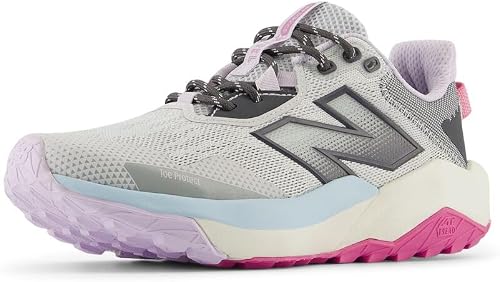
For couriers tackling genuinely technical terrain — rocks, roots, mud, off-camber switchbacks — look for a shoe in the Salomon Sense Ride, Hoka Speedgoat, or La Sportiva Bushido category. These deliver the lateral stability and aggressive grip you need to run downhill with confidence, even though your descent skills are rusty. Expect to spend $130-160 and replace every 350-450 miles.
Best hybrid: Road-to-trail crossover for mixed routes
If your hill cross-training involves riding to a trailhead, running, then riding home, a hybrid shoe (Saucony Peregrine, Brooks Cascadia, or Nike Pegasus Trail) handles pavement transitions without the loud lug-on-asphalt sensation. 3-4mm lugs, slightly higher stack height, and a smoother outsole rubber make these the practical pick for urban couriers.
Best for downhill repeats and impact protection
Hoka's Speedgoat and Tecton X-class shoes have the thickest cushioning in the segment, which is exactly what your inexperienced-runner joints need during the first eight weeks of consistent hill work. The maximalist stack absorbs impact your knees haven't trained for. Trade-off: less ground feel, so save these for non-technical fire roads and graded park trails.
Supplementary gear: trekking poles for hill power hikes and recovery
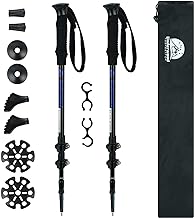
Here's a strategy most courier-to-trail-runner converts miss: in your first month, you shouldn't be running every hill. Power hiking with trekking poles is how trail ultrarunners train the posterior chain (glutes, hamstrings, lower back) without crushing your tendons before they've adapted. Poles also redistribute load from your tired courier legs to your upper body, letting you get more vertical gain per session — critical when you're building the aerobic base for sustained hill running.
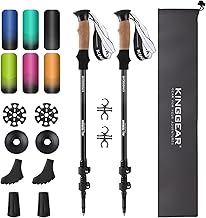
Nordic Lightweight 7075 Aluminum Trekking Poles
For couriers who want a durable, no-fuss pole that handles rocky terrain and aggressive uphill push-offs, the Nordic 7075 poles use aircraft-grade aluminum that won't bend under the lateral loads you generate. The lightweight build (around 9 oz per pole) won't fatigue your shoulders on a 90-minute hike. Locking mechanism is reliable and quick to adjust, which matters when your route transitions from rolling to steep. Check the Nordic 7075 trekking poles on Amazon.
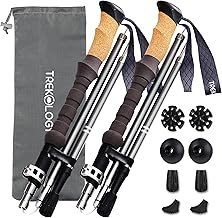
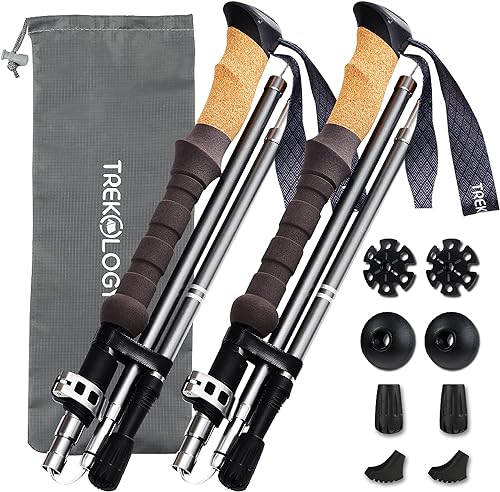
TREKOLOGY Trek-Z Cork Grip Folding Trekking Poles
The folding (Z-style) design is what makes these ideal for the bike-to-trail courier workflow. They collapse to about 15 inches — short enough to clip to a backpack or messenger bag while you're riding to the trailhead. The cork grip is genuinely better than EVA foam for sweaty hands (a real consideration if you've been working delivery routes in summer heat before training). Lighter than the Nordic option and packed with shock-absorbing tips. See the TREKOLOGY Trek-Z folding poles on Amazon.
Collapsible Aluminum Trekking Poles, 2-Pack
The budget-friendly entry point. If you're not sure poles are part of your long-term cross-training stack, this 2-pack lets you experiment without a $100+ commitment. Build quality is acceptable for moderate terrain (don't expect alpine-grade durability), and the standard collapsible design works fine for couriers running graded park trails or fire roads. Good throwaway option if your training partner wants to try poles too. View the 2-pack collapsible poles on Amazon.
Trekking pole comparison
| Pole | Material | Pack size | Weight | Grip | Best use |
|---|---|---|---|---|---|
| Nordic Lightweight 7075 | 7075 aluminum | Telescoping | ~9 oz/pole | EVA foam | Aggressive uphill hiking, rocky terrain |
| TREKOLOGY Trek-Z | Aluminum | Folding to ~15" | ~8.5 oz/pole | Natural cork | Bike-to-trail courier workflow, sweaty hands |
| Collapsible 2-Pack | Aluminum | Telescoping | ~10 oz/pole | EVA foam | Budget entry, graded park trails |
How to structure your first month of hill cross-training
The single biggest mistake bike couriers make when adding trail running is overestimating impact tolerance. Your aerobic capacity says you can run 60 minutes on day one. Your tendons and bones say absolutely not. Start with three 25-30 minute sessions per week, alternating run-walk intervals (3 minutes running, 2 minutes power hiking with poles on the climbs). Build to continuous running over six to eight weeks.
Use the poles aggressively in weeks 1-4. Power hiking steep grades with poles delivers nearly the same training stimulus as running them, with a fraction of the impact load. By week 5, you can start running moderate climbs while still poling the steepest sections. For a deeper look at the climbing-specific gear stack, see our guide to trekking poles for uphill training.
Recovery between sessions matters more for you than for a typical new runner. You're still doing 30-50 mile courier shifts on cycling days, which limits the recovery your legs get. Schedule trail sessions on lighter delivery days, and never run hills the day before a high-mileage shift.
Fit considerations specific to cyclists
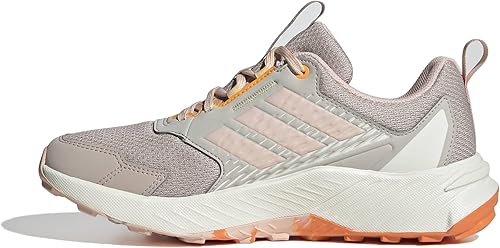
Cyclists tend to have narrower heels relative to forefoot width, because road shoes train the foot in that direction. When fitting trail shoes, prioritize a snug heel cup over a snug forefoot. Size up half a size from your cycling shoe size — your foot expands during running far more than during cycling, and a too-tight toe box causes black toenails fast on downhills.
If you have wide forefeet from years in mountain bike shoes, look at Altra or Topo Athletic for genuinely wide toe boxes. These brands also default to zero or low-drop platforms, which take adaptation but suit cyclists' generally tight calves once you've stretched into them.
Backpacks and hydration for hill cross-training
If you're combining bike commuting to the trailhead with running, a small running vest (5-12L) is more practical than a daypack. It distributes load across the chest rather than dragging on cycling shoulders. For sessions over 45 minutes or any temperature above 70°F, hydration matters even more for cyclists transitioning to running because you're not used to the increased core temperature of vertical motion. See our hydration pack guide for cross-training couriers for vest-specific picks.
Frequently Asked Questions
Can I use my cycling shoes for trail running in a pinch?
No. Cycling shoes have a stiff sole designed to transfer power through a pedal — they have zero impact absorption and will hammer your metatarsals on the first descent. The lack of grip outside the cleat area also makes them genuinely dangerous on wet or technical terrain. If you forgot proper shoes, a road running shoe or even a worn-in cross-trainer is safer than cycling shoes.
How many miles before I need to replace trail running shoes used for cross-training?
Trail shoes typically last 300-500 miles depending on terrain. For couriers running 15-25 miles per week, that's roughly 4-7 months. Watch the midsole compression more than the lugs — if the foam under the heel feels packed out and you start noticing impact in your shins, replace them even if the outsole looks fine. Bike couriers tend to be heavier than dedicated runners (more muscle mass from years of cycling), which accelerates midsole breakdown.
Should I run hills the day after a long delivery shift?
Not in the first three months. Your legs are accumulating fatigue from cycling that's invisible in standard recovery metrics. Stack hill running on days where the prior 24 hours had a lighter delivery load, and use trekking poles for power-hike sessions on heavier recovery days. Your aerobic system can handle the back-to-back; your connective tissue cannot.
Are minimalist or barefoot-style trail shoes a bad choice for ex-cyclists?
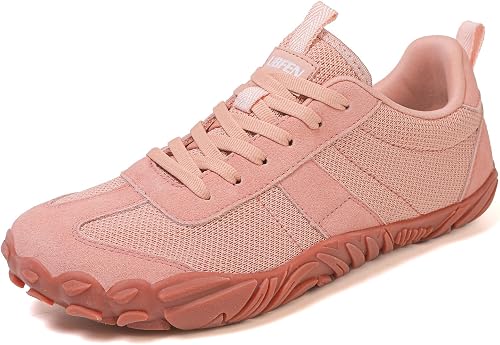
For your first year, yes. Cycling causes specific weaknesses in the intrinsic foot muscles and lower leg stabilizers that minimalist shoes immediately stress. You'll get plantar fasciitis or Achilles tendinopathy within weeks. Start with a moderate drop (4-8mm) and moderate cushion, and transition to lower-drop shoes over 12-18 months if you want to.
How do trekking poles help if I already have strong cycling legs?
Trekking poles redistribute load from legs to upper body during uphills, which is exactly what you need when your legs are pre-fatigued from delivery shifts. They also activate the posterior chain and core in a way cycling doesn't, addressing the muscle imbalances most career couriers develop. For aggressive uphill hiking and rocky terrain, the Nordic 7075 aluminum poles are the most durable pick.
Can I run trails in a road-to-trail hybrid shoe if my routes are mostly fire roads?
Yes — for couriers whose cross-training is graded park trails, rail-trail surfaces, or hard-packed fire roads, hybrids like the Saucony Peregrine or Brooks Cascadia are genuinely better than aggressive lug shoes. You get enough grip for any non-technical terrain, plus much smoother pavement transitions when you're riding to and from the trailhead. Save the aggressive 5mm-lug shoes for genuinely muddy or rocky singletrack.
What's the best way to carry trekking poles on a bike to the trailhead?
Folding (Z-style) poles like the TREKOLOGY Trek-Z collapse to roughly 15 inches, short enough to fit inside a 20L commuter backpack or strap externally to a messenger bag without protruding. Telescoping poles are longer when collapsed (around 25 inches) and harder to carry while riding — they work if you have a frame bag or rack with a vertical mount, but most courier setups favor the foldable design.
Do I need ankle support if I have weak ankles from cycling?
Most modern trail running shoes are low-cut and rely on the foot's stabilizing musculature rather than external ankle support. For cyclists with genuinely weak ankles (years of stiff cycling shoes can atrophy stabilizers), build ankle strength through balance work, single-leg exercises, and progressive trail exposure rather than relying on high-top shoes. For technical descents in the first six months, the poles can also act as outriggers that prevent ankle rolls. See our hybrid shoe deep-dive for low-cut options with reinforced lateral support.
Key Takeaways
- Choosing the right trail running shoes for bike couriers means matching capacity and output ports to your actual devices
- Always check actual watt-hours (Wh), not just watts — runtime depends on Wh, not peak output
- Also covers: courier cross training shoes
- Also covers: urban hill running shoes
- Also covers: messenger off bike training
- Compare price-per-Wh across models to find the best value for your budget