When you are tackling sun-baked slickrock, loose scree, and cactus-lined singletrack, the best trail running shoes for desert southwest rocky arid terrain need three non-negotiable features: a stone-resistant rock plate, sticky high-abrasion rubber, and a breathable mesh upper that dumps heat without inviting sand. After the 2026 race season across Sedona, Moab, the Sonoran high country, and the Mogollon Rim, the shoes that survived shared a clear DNA. Below we break down the categories that actually hold up, the specific outsole and upper traits to demand, and the trekking poles seasoned desert runners pair with them for technical descents and shaded canyon scrambles.
What Makes a Trail Shoe Survive the Desert Southwest
Top Picks
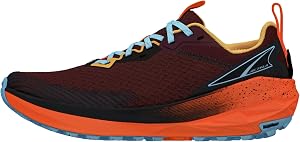
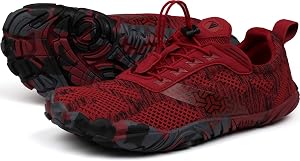
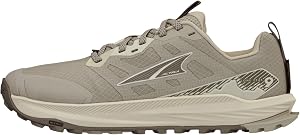
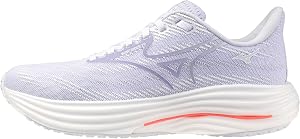
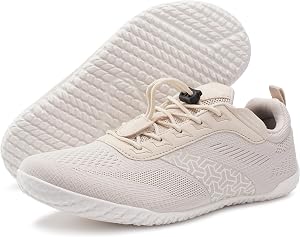
Desert running is its own discipline. The ground is abrasive sandstone, basalt cobble, sun-shattered granite, and occasional patches of bottomless powder sand in dry washes. Temperatures swing from a 38 F dawn at 7,000 feet to 105 F at noon down in a slot canyon. A shoe that thrives in the Cascades or the Whites will get shredded here in two long runs.
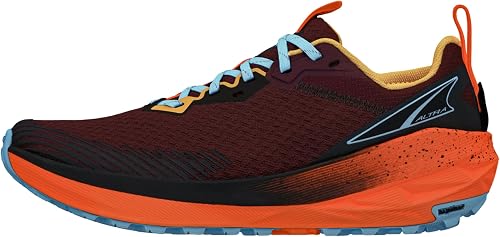
Four traits separate desert-worthy shoes from everything else:
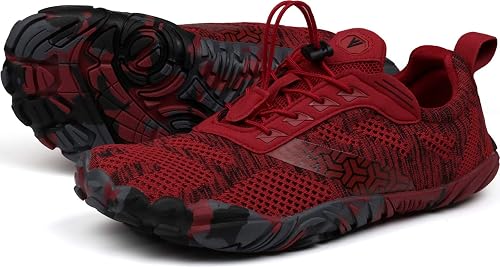
- A genuine rock plate. Not a thin TPU film. You want a rigid forefoot shank that deflects sharp lava points and cryptobiotic crust crumbs. Without one, every step on a Moab petrified dune feels like a hammer to your metatarsals after mile twelve.
- Sticky compound rubber. Vibram Megagrip, Salomon Contagrip MA, and La Sportiva FriXion XF 2.0 all bite sandstone reliably. Avoid hard generic carbon rubbers that skate on sun-glazed slickrock.
- Reinforced uppers. Cholla spines, agave tips, and prickly pear glochids puncture flimsy mesh. Look for welded TPU overlays around the toe box and along the lateral midfoot.
- Aggressive ventilation with sand-shedding mesh. Desert running is paradoxically wet inside the shoe (sweat) and dry outside. You need mesh open enough to evaporate sweat but tight enough that fine sand sieves out instead of grinding under your arch.
Drop and stack are personal, but most experienced desert runners gravitate toward a moderate 4-8 mm drop with a 28-34 mm heel stack. Maximal cushion isolates you from sharp rocks; zero-drop with a thinner stack rewards better foot strength but punishes long descents.
Top Trail Running Shoe Categories for Desert Terrain in 2026
Rather than chase fleeting model-year revisions, we organize the best trail running shoes for desert southwest use by category. The category is what matters; pick the model within it that fits your foot.
Maximalist Cushioned with a True Rock Plate
This is the workhorse category for desert ultras and long training days. Shoes like the Hoka Speedgoat 6, Saucony Xodus Ultra 3, and Brooks Caldera 7 stack 32-38 mm of foam under a rigid pebax or nylon shank. The result is a shoe that lets you stop watching your feet and just run, even when the trail is a chaos of fist-sized cobble. The tradeoff is precision: maximalists feel vague on tight technical singletrack and roll easily on off-camber rock if the platform is too narrow.
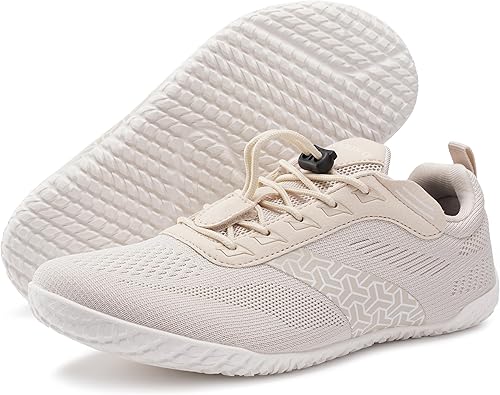
Zero-Drop Wide Toe Box Endurance Shoes
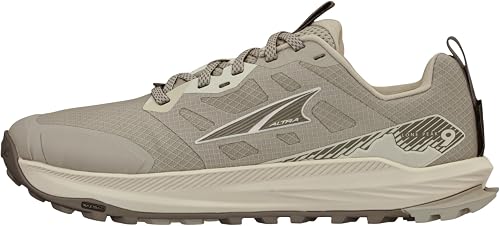
Altra Lone Peak 9 and Topo Athletic Ultraventure 4 dominate this category. The wide toe box is genuine biomechanical insurance against hot-weather foot swelling, which on a desert 50K can add a full size by mile twenty. Zero-drop forces midfoot striking, which reduces braking forces on long downhills like the Bright Angel descent. Just be sure the model has a rock plate; some zero-drop builds skip it for ground feel, which is a mistake on Arizona basalt.
Technical Sticky-Rubber Racers
For shorter, gnarlier objectives like a Sedona Vortex loop or a fast pass through the Superstitions, look at Salomon S/Lab Genesis, La Sportiva Bushido 3, and Scarpa Spin Ultra. These shoes prioritize precision: lower stack, snugger upper, and the stickiest rubber in the sport. They protect less on long days, but on bare slickrock they let you trust edges and small features the way a climbing shoe does.
Hybrid Hike-Run Crossovers
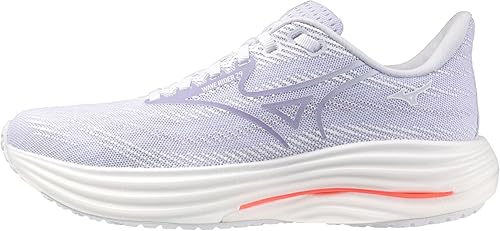
If your desert outings mix scrambling, photography stops, and faster running between objectives, the Merrell Agility Peak 5 and Brooks Cascadia 18 offer a more durable, more supportive ride. They are not the fastest shoes you can buy, but their EVA-PU blend midsoles survive abuse longer in dry heat, where pure EVA in racier shoes can pack out fast.
Why Trekking Poles Belong in Your Desert Trail Running Pack
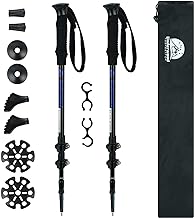
Even fast runners benefit from poles in the desert southwest. Technical descents on slickrock benefit from a third and fourth point of contact, especially on exposed slabs where a slip means real consequences. Poles also unload your quads on long descents like the South Kaibab trail, save energy on power-hike climbs in the high country above 8,000 feet, and double as a probe for snake-checking under brush at dawn. Collapsible poles that stow on your hydration vest are the only practical option for running use.
| Pole | Material | Folded Length | Best For | Approx. Weight |
|---|---|---|---|---|
| Nordic Lightweight 7075 Aluminum | 7075 aircraft aluminum | ~16 in | Long ultras, daily training | Lightweight |
| TREKOLOGY Trek-Z Cork Grip Folding | Aluminum w/ cork grips | ~15 in | Hot-weather, sweaty hands | Mid |
| Collapsible Aluminum 2-Pack | Aluminum | ~14 in | Budget pairs, group trips | Mid |
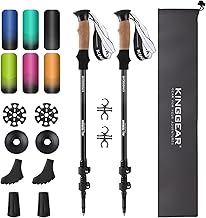
Nordic Lightweight 7075 Aluminum Trekking Poles
The 7075 aircraft-grade aluminum shafts are the right call for desert runners who care about pack weight. These poles fold compact enough to ride along a hydration vest's pole loops without snagging on brush, and the alloy resists the bending fatigue that softer aluminum suffers when you catch a tip in a crack. Plant them in sandstone and they hold; the tungsten carbide tip bites without the slip you get from cheap chromed steel. For desert ultra training, they are the most honest workhorse in this list. Check current price on Amazon.
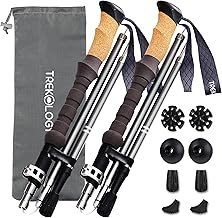
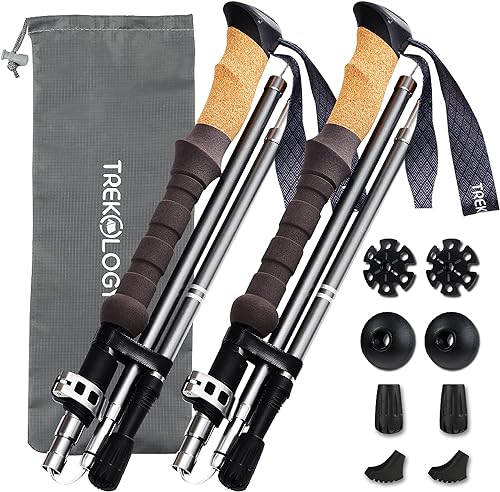
TREKOLOGY Trek-Z Cork Grip Folding Trekking Poles
Cork grips are the single best upgrade for hot-weather pole use. EVA foam grips get slimy with sweat by mile eight on a 95 F afternoon; cork stays tacky, wicks moisture, and molds to your hand shape after a few outings. The Trek-Z Z-fold design deploys faster than telescoping poles, which matters when you transition from a runnable wash to a sudden steep scramble out of a canyon. Pair these with a pair of sticky-rubber racers for any Arizona or Utah objective with significant vertical. Check current price on Amazon.
Collapsible Aluminum Trekking Poles, 2-Pack
The two-pack format is the easy answer for couples, training partners, or anyone outfitting a group desert trip. You get two complete pairs (four poles) at a price that undercuts most single sets, with simple aluminum construction that takes abuse without complaining. These are the poles to keep in the truck as loaners or to hand to a friend trying poles for the first time at the trailhead. They are not the lightest option, but for the price they deliver the function that matters: stability, durability, and reliable locks. Check current price on Amazon.
Pairing Shoes and Poles: A Desert Southwest Loadout
The shoe-and-pole combination depends on the objective. For a Moab 50K with rolling slickrock and runnable wash, a maximalist cushioned shoe plus the 7075 aluminum poles stowed for fast sections gives you the best of both worlds. For a Sedona vortex loop with steep scrambly sections, technical sticky-rubber racers plus the cork-grip Trek-Z poles ready to deploy is the move. For a long supported group day in the Superstitions, the hybrid hike-run crossover shoe plus the two-pack of aluminum poles lets you outfit everyone without breaking the budget. Always carry poles even if you do not plan to use them on the up; descents punish quads in dry heat far worse than at altitude.
Hydration, Sun, and Safety Considerations
Shoes and poles are only part of the desert equation. Plan on 1 liter per hour above 90 F, double that above 100 F. Carry electrolytes; plain water alone causes hyponatremia faster than runners expect. A wide-brim sun hat or a Buff worn legionnaire-style under a running cap protects your neck from the worst burn. Always tell someone your route and return time; cell coverage in places like Cedar Mesa or the Kofa NWR is essentially zero. For deeper gear context, see our desert ultra hydration vest guide and our 2026 trekking pole buying guide. If you are training for higher elevation desert events, our altitude acclimatization primer covers the protocols that actually work. Runners worried about sand ingress should also read our sand-stopping gaiter roundup.
Frequently Asked Questions
What trail running shoes hold up best to Moab slickrock and red sandstone abrasion?
Sandstone is essentially natural sandpaper. Shoes with Vibram Megagrip outsoles and reinforced TPU toe bumpers (Hoka Speedgoat, La Sportiva Bushido, Scarpa Spin Ultra) consistently last the longest. Plan on retiring shoes around 300-400 miles in Moab, compared to 500+ in cooler dirt terrain, because the rubber wears noticeably faster on abrasive sandstone.
Do I really need a rock plate for desert southwest trail running?
Yes, for almost everyone. The desert southwest is the single most rock-plate-relevant region in the lower 48. Sharp basalt fragments, embedded chert, and angular sandstone shrapnel will bruise your forefoot through any shoe without a stiffened forefoot. The only exception is sustained wash-bottom or sandy-trail runners (think Tucson bajadas), who can sometimes get away with a thinner build.
Are zero-drop shoes like Altra Lone Peak good for Arizona and Utah desert trails?
They are excellent if your foot is conditioned for them. The wide toe box accommodates heat-swollen feet on long days, and zero-drop encourages a midfoot strike that is gentler on knees during long descents. Transition slowly; runners who jump to zero-drop without ramping up calf and Achilles strength frequently develop strain injuries within weeks.
How do trekking poles help on technical desert descents?
Poles add two contact points that absorb impact, reducing peak quad load by an estimated 20-25 percent on sustained descents. On exposed slickrock slabs, they also provide stability in the transition between scrambling and running, where a slip can mean real injury. For the desert specifically, they double as snake-probes through brush at dawn and dusk.
What lug depth works best for mixed slickrock, sand, and loose scree?
Aim for 4-5 mm lugs in a multidirectional pattern. Anything shallower (under 3 mm) skates on loose scree; anything deeper (6 mm+) feels squirmy and unstable on bare slickrock because the lugs flex unpredictably under load. The sweet spot pattern uses chevron-shaped lugs on the forefoot for braking and rounded lugs on the heel for traction during step-downs.
Can I use the same shoes for desert trail running and Grand Canyon rim-to-rim?
Absolutely, and most rim-to-rim runners pick from the same shortlist: Hoka Speedgoat, Altra Lone Peak, Saucony Xodus Ultra, and Brooks Caldera all see heavy R2R use. The key is sizing up a half-size for foot swelling on the 14+ hour effort, breaking the shoes in for at least 40 miles before the attempt, and pairing them with poles for the Bright Angel or South Kaibab descent.
How often should I replace trail running shoes used in arid abrasive terrain?
Every 300-400 miles for sandstone-heavy terrain, 400-500 for mixed desert dirt and rock. The visible wear cue is when the central forefoot lugs are flush with the surrounding rubber and the medial midsole starts compressing visibly. Foam in dry, hot conditions also degrades faster than the wear suggests, so if your shoes feel dead even with tread remaining, trust the feeling.
Key Takeaways
- Choosing the right best trail running shoes for desert southwest means matching capacity and output ports to your actual devices
- Always check actual watt-hours (Wh), not just watts — runtime depends on Wh, not peak output
- Also covers: Arizona Utah trail shoes rocky arid
- Also covers: desert ultramarathon shoes heat protection
- Also covers: rock plate trail shoes for sandstone
- Compare price-per-Wh across models to find the best value for your budget