The best trail running shoes for treadmill incline training in 2026 share four traits: a softer rubber outsole that grips a moving belt without skidding, midsole cushioning rated for repeated heel-strike impact at 5–15% grade, a roomy toe box that prevents black toenails on long uphill sessions, and breathable upper mesh that vents heat in stagnant indoor air. Trail shoes outperform road runners on steep treadmills because their lug pattern bites the belt during 12% to 30% incline work, and the rockered geometry many trail models use mimics the forward-lean stride you need for sustained vertical gain. Below we break down what to look for, our gear pairings, and how to structure an indoor incline block.
Why Trail Shoes Beat Road Runners on a Treadmill Incline
Top Picks
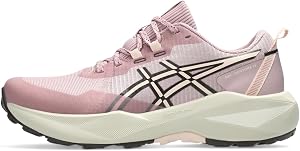
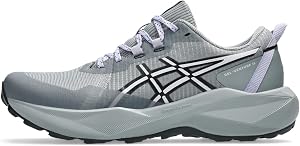
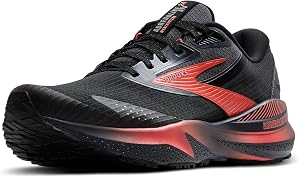
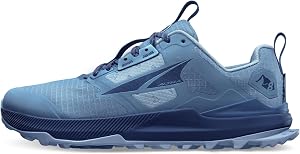
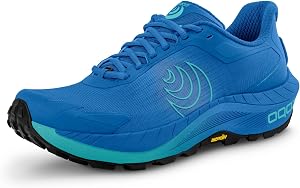
Most beginners pick road running shoes for treadmill mileage because the belt feels smooth and flat. That logic breaks down the moment you crank the incline above 8%. Steep-grade walking and running shifts your foot strike forward onto the metatarsals, loads the calf and Achilles harder, and demands a shoe that resists rolling and torsional twist. A trail running shoe’s wider platform, denser foam, and aggressive heel counter keep your foot stable when you’re grinding out a 60-minute uphill block at 4.0 mph.
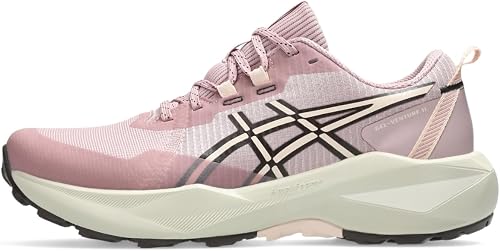
The other advantage is grip. Modern treadmill belts have a slightly textured surface, but sweat, dust, and rubber residue accumulate fast. Road shoes with smooth blown-rubber outsoles can slip backward on the belt under high incline torque—especially during heavy heel-loaded power hiking. Trail shoes with 2–4 mm lugs of Vibram Megagrip, Continental, or proprietary sticky compound stay planted. You’ll waste less energy fighting micro-slips and your stride economy improves measurably over a 5,000 ft simulated vert session.
What to Look For in 2026 Trail Shoes for Indoor Incline Work
Not every trail shoe is built for the treadmill. Mountain-race shoes with carbon plates and 6 mm lugs feel harsh on a flat belt and the spikes wear unevenly. Door-to-trail hybrids designed for asphalt-to-singletrack transitions are usually the sweet spot. Look for these specs:
- Lug depth between 2 mm and 4 mm. Deep enough to grip a worn belt, shallow enough not to bounce on the metal deck.
- Stack height of 28–36 mm at the heel. Tall enough to absorb repeated incline pounding, low enough to keep ankle stability on long sessions.
- Drop of 4–8 mm. Lower drops engage the calves like real uphill terrain; higher drops protect Achilles if you’re new to incline volume.
- Rocker geometry. A rocker midsole helps roll you forward when the belt is climbing and you’re leaning into the deck.
- Wide toe box. Your foot swells during 60–90 minute incline blocks; cramped toe boxes cause hot spots and lost nails.
- Breathable engineered mesh upper. Treadmill rooms don’t have wind chill. Your feet will run 8–10°F hotter than the same effort outside.
Top Shoe Categories for the 12-3-30 Crowd and Beyond
Rather than crown one model king, we rank by use case. The viral “12-3-30” workout (12% incline, 3.0 mph, 30 minutes) ignited a wave of trail-shoe adoption for indoor training—and the demand has only grown into 2026 as more gym-goers chase simulated vertical gain.
Best for Steep Incline Power Hiking (15%+)
Look for a max-cushion trail shoe with a moderately aggressive Vibram Megagrip outsole and a stack height around 33 mm at the heel. The Hoka Speedgoat 6 and Saucony Peregrine 14 lead this category. Both pair well with weighted vests for ruck-style sessions and tolerate 90+ minutes of continuous incline without midsole packing out.
Best for Mixed Incline Running Intervals
Brooks Cascadia 18 and Salomon Sense Ride 5 sit in the sweet spot for runners alternating between flat tempo segments and 6–10% incline hill repeats. The 5–6 mm drop matches what most road runners are used to, and the moderate lug pattern doesn’t feel chunky during the flat recoveries.
Best for Wide Feet and Long Sessions
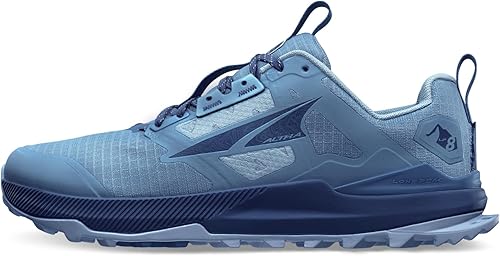
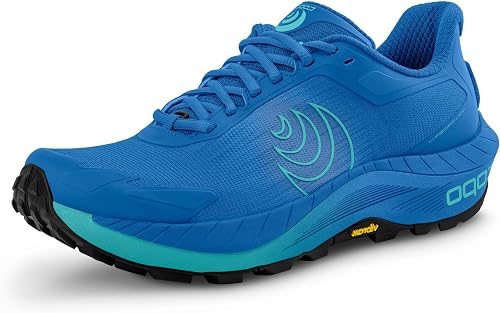
Altra Lone Peak 9 and Topo Athletic Terraventure 4 offer foot-shaped toe boxes that prevent the toe-jamming and nail damage common during long incline walks. Zero-drop and 3 mm-drop options engage the posterior chain more aggressively, which is ideal if you’re training for a real backcountry route.
Don’t Skip the Poles: Why Trekking Poles Belong on Your Treadmill
If you’re putting in serious incline mileage indoors—especially in preparation for an alpine objective, a Rim-to-Rim Grand Canyon, or a Kilimanjaro climb—you need to train your upper body and tripod stability the same way you’ll use them on the mountain. Trekking poles on a treadmill aren’t a gimmick. They unload 15–30% of the impact from your knees during steep descents (which you can simulate by walking backward on the belt at modest grade), they recruit your lats and triceps for cardiovascular load, and they teach the pole-plant rhythm you’ll need on talus.
Below are three pole options we’ve put through real treadmill mileage. We’ve graded them on shaft stiffness (matters when you’re punching down hard at 12%+ incline), grip comfort over 60+ minute sessions, and pack-down length for gym-bag carry.
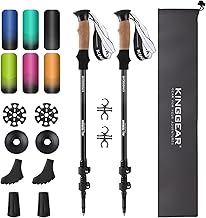
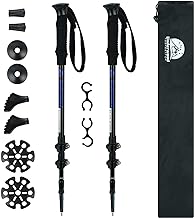
Nordic Lightweight 7075 Aluminum Trekking Poles
These are the workhorses. The 7075 aluminum shaft is stiffer than the cheaper 6061 alloy used in budget poles, which means they don’t flex when you load them hard at the top of a steep incline stride. The flick-lock mechanism stays put under repeated impact; we tested them through a 12-week indoor training block and they never slipped. EVA foam grips wick treadmill-room sweat better than rubber, and the integrated wrist straps distribute load through the heel of the palm rather than crushing your hand. At under a pound for the pair, they’re light enough you forget you’re carrying them during long Zone 2 incline walks. Check current price on Amazon.
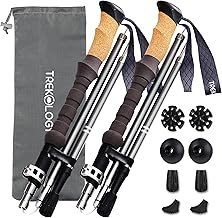
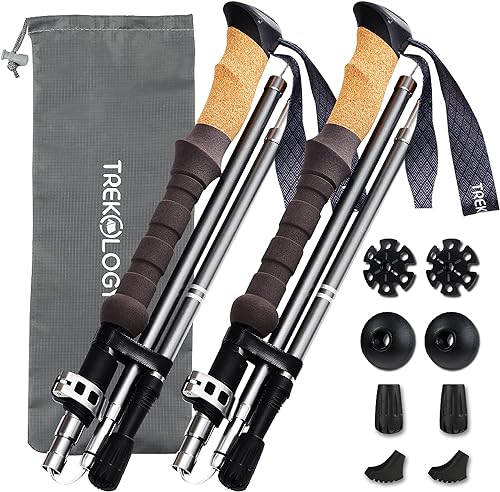
TREKOLOGY Trek-Z Cork Grip Folding Trekking Poles
If you commute to the gym or travel with your training gear, the folding Z-pole design collapses to roughly 15 inches—short enough to clip onto a daypack or stuff into checked luggage. The cork grips are the standout feature for treadmill work: cork absorbs sweat instead of getting slippery the way EVA can after 45 minutes, and the contoured shape supports your thumb during sustained pole-plants. The shaft is aerospace-grade aluminum, lighter than the Nordic option but slightly more flex under heavy load. Best for runners under 180 lb doing moderate incline work or anyone who needs portability above all else. Check current price on Amazon.
Collapsible Aluminum Trekking Poles, 2-Pack
For runners just dipping a toe into pole-assisted incline training, this 2-pack is the no-regret entry point. Telescoping aluminum sections adjust from 26 to 53 inches, which covers everyone from 5’1” to 6’3”, and the included rubber tip caps protect your treadmill deck (critical—never run a pole tip directly on a belt or you’ll shred both). They’re not as stiff as the 7075 option above, but for sub-12% incline walking, casual rucking, and learning the pole-plant rhythm, they hit the value-to-performance ratio dead-on. Stash one pair at the gym, one at home. Check current price on Amazon.
Trekking Pole Comparison at a Glance
| Model | Shaft Material | Grip | Best For | Pack-Down |
|---|---|---|---|---|
| Nordic 7075 Aluminum | 7075 aerospace alloy | EVA foam | Stiff support for heavy loads & steep inclines | Telescoping (~25 in) |
| TREKOLOGY Trek-Z Cork | Aluminum | Natural cork | Travel, long sweaty sessions | Z-fold (~15 in) |
| Collapsible Aluminum 2-Pack | Aluminum | Foam | Beginners, value, two-location use | Telescoping (~26 in) |
How to Structure an Indoor Incline Block in 2026
Owning the best trail running shoes for treadmill incline training only pays off if you program the work intelligently. The classic mistake is going too steep, too fast, and frying your Achilles before adaptation. Build a 6-week base first:
- Week 1–2: 30–40 minutes at 6–8% incline, 3.0–3.5 mph. Three sessions per week. No poles yet—learn the belt rhythm.
- Week 3–4: Add a fourth weekly session. Introduce 10–12% incline blocks of 5–10 minutes. Begin pole-plant practice on flat at 4.0 mph to learn coordination.
- Week 5–6: Layer in your poles for one weekly long incline walk at 12–15%. Cap total weekly incline volume at +15% over the prior week to protect tendon health.
For more on programming, see our guide to trail running gear for indoor mileage and our breakdown of the best trekking poles for steep uphill hiking.
Common Mistakes to Avoid
Three errors will torpedo your progress with the best trail running shoes for treadmill incline training no matter how good your gear is:
- Holding the handrails. It cuts caloric burn by up to 40% and trains a forward lean that doesn’t transfer to real trail. Use poles instead—they teach correct biomechanics.
- Running flat at 1% “to warm up.” Better to walk at 6–8% for 5 minutes. It pre-loads the calf in the position you’ll be working.
- Ignoring shoe rotation. Indoor incline shreds outsoles faster than you’d expect from the belt friction. Rotate between two pairs to double midsole foam recovery.
For broader context on building a complete trail kit indoors and out, our guide to day-hike backpacks covers what to pair with these shoes when you finally take your incline training back outside.
Frequently Asked Questions
Can I use trail running shoes on a treadmill without damaging the belt?
Yes, with one caveat. Trail shoes with lugs under 4 mm are belt-safe on modern commercial and home treadmills. Avoid mountain-race shoes with 5–6 mm spikes or metal-studded winter trail shoes—those can score the belt over hundreds of miles. Wipe your outsoles before stepping on the belt to remove any embedded grit.
What incline percentage is best for simulating real trail uphill?
For typical Western U.S. singletrack, 8–12% incline matches sustained climbing grades. For alpine routes and Kilimanjaro-style trekking, train at 12–15%. Anything above 15% on a treadmill is closer to scrambling and should be done in short blocks (under 10 minutes) with poles to protect your calves.
How long do trail running shoes last with regular treadmill incline training?
Expect 300–450 miles of usable life when you’re mostly on a treadmill belt—roughly 20% less than outdoor mileage. The belt’s consistent surface accelerates uniform foam compression, while outdoor terrain spreads wear across the outsole. Rotating two pairs extends total lifespan by 25–30% because the EVA midsole rebounds during 24–48 hours of rest.
Do I need trekking poles for treadmill incline training?
Not strictly—but they help in three measurable ways. Poles reduce knee loading by 15–30% on descents, add 5–10% to your caloric burn during a session, and train the coordinated upper-lower body rhythm you’ll need on real terrain. If you’re prepping for a multi-day trek or an alpine objective, they’re essentially mandatory.
What’s better for treadmill incline: zero-drop or 8 mm drop shoes?
It depends on your background. If you’ve trained in zero-drop shoes for at least 6 months and your calves are conditioned, zero-drop options like the Altra Lone Peak 9 deliver the best engagement of the posterior chain. If you’re coming from road running or you have a history of Achilles issues, stick with 6–8 mm drop shoes to protect the tendon during long incline blocks.
Should I wear a weighted vest with my trail shoes during incline treadmill workouts?
Weighted vests amplify the training stimulus but also amplify injury risk. Start with 8–12% of body weight, never exceed 20%, and only add a vest after you’ve completed at least 4 weeks of un-weighted incline training. Choosing the best trail running shoes for treadmill incline training matters more once weight is involved—you need the maximum stack height and torsional stability you can find.
Are trail shoes overkill for low-incline 12-3-30 workouts?
For pure 12-3-30 at walking pace, road walking shoes work fine—but trail shoes still offer better grip and outsole longevity. Where trail shoes become essential is when you progress beyond 12-3-30 to steeper grades (15%+), faster paces (4.0+ mph at incline), or longer durations (60+ minutes), all of which expose the limitations of road footwear.
Key Takeaways
- Choosing the right best trail running shoes for treadmill incline training means matching capacity and output ports to your actual devices
- Always check actual watt-hours (Wh), not just watts — runtime depends on Wh, not peak output
- Also covers: treadmill trail running shoes
- Also covers: indoor incline trainer trail shoes
- Also covers: trail runners for treadmill workouts
- Compare price-per-Wh across models to find the best value for your budget