The best vegan trail running shoes in 2026 deliver aggressive grip, lightweight cushioning, and zero animal-derived materials—no leather, suede, wool, beeswax, or animal-tested adhesives. Top picks include the Altra Lone Peak 9, Saucony Peregrine 14, Vivobarefoot Primus Trail III, Topo Athletic Terraventure 4, and Brooks Cascadia 17. Each uses fully synthetic or recycled uppers, plant-based or EVA foams, and Vibram or Megagrip outsoles for technical terrain. Whether you're tackling rocky singletrack, muddy mountain descents, or your first 50K, this guide covers the best vegan trail running shoes, what makes a shoe truly cruelty-free, sizing guidance, and complementary gear that finishes your kit.
What makes a trail running shoe vegan?
Top Picks
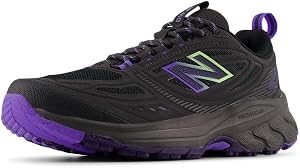
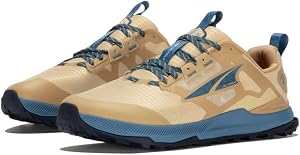
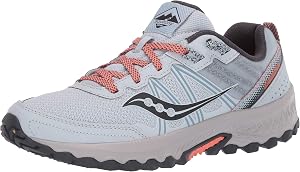
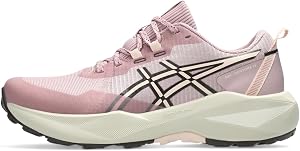
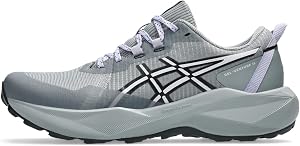
A truly vegan trail running shoe contains zero materials sourced from animals and uses no animal-derived adhesives, dyes, or treatments. That sounds simple, but the devil hides in the construction details. Many "synthetic-looking" trail shoes still use:
- Leather overlays on the toe cap or heel collar for durability
- Suede reinforcement panels (common on classic Salomon and La Sportiva models)
- Wool insoles or linings for moisture management
- Beeswax-treated laces or waxed thread
- Animal-derived glues—many traditional shoe cements contain casein or bone-based proteins
- Silk branding patches or accents
The good news: as of 2026, every major trail running brand offers at least one fully vegan model, and several brands (Vivobarefoot, Xero Shoes, Altra) are vegan across most or all of their lineup. Look for explicit "vegan" certification from PETA-approved suppliers or check the manufacturer's spec sheet—Saucony, Brooks, and Topo Athletic all maintain published lists of vegan-friendly SKUs.
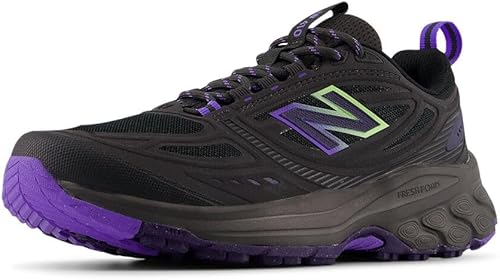
Best vegan trail running shoes for 2026
Altra Lone Peak 9 — Best Overall Vegan Trail Runner
The Lone Peak 9 remains the gold standard among vegan trail shoes for 2026. Altra confirms the entire Lone Peak line is vegan—the upper is recycled polyester mesh, the midsole is Altra EGO foam, and the MaxTrac rubber outsole uses no animal-derived compounds. The signature FootShape toe box lets your forefoot splay naturally on long descents, which matters enormously past mile 20 of any ultra. Zero-drop geometry encourages a midfoot strike that protects your knees on technical terrain. The 9th-generation update added a more durable ripstop upper and improved heel lockdown without sacrificing the natural fit Altra fans love.
Saucony Peregrine 14 — Best for Aggressive Technical Terrain
The Peregrine 14 is the most aggressive vegan-certified shoe Saucony has ever built. PWRRUN foam in the midsole provides protective cushioning without going soft, while the PWRTRAC outsole grips wet rock, loose gravel, and mud with 5mm lugs spaced for self-cleaning. The upper is fully synthetic mesh with TPU overlays—no leather anywhere. Saucony publishes a vegan SKU list and the Peregrine 14 in standard colorways is on it. Best for runners who actually race technical trails or train in steep, root-strewn terrain. Slightly narrower fit than Altra, so size up a half if you have wide feet.
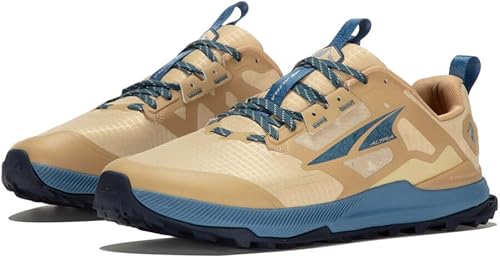
Vivobarefoot Primus Trail III All Weather SG — Best Minimalist Option
Vivobarefoot is a B Corp and the entire line is vegan-certified. The Primus Trail III SG ("soft ground") gives you a zero-drop, ultra-thin sole with 4mm hex lugs for traction on mud and grass. The wide foot-shaped last is the most generous on the market—even wider than Altra. This is a minimalist shoe, so it's not for everyone; if you're transitioning from cushioned shoes, build up mileage over 3-4 months to avoid calf and Achilles issues. For experienced barefoot runners, nothing else delivers this much ground feel on trail.
Topo Athletic Terraventure 4 — Best Moderate-Drop Option
Topo's Terraventure 4 splits the difference between zero-drop and traditional running shoes with a 3mm heel-to-toe drop. The upper is recycled mesh with no leather or suede, the ZipFoam midsole is fully synthetic, and the Vibram XS Trek outsole sticks to wet rock as well as anything on the market. Topo confirms the Terraventure 4 is vegan. The anatomical toe box is wider than Saucony but narrower than Vivobarefoot—a good middle ground for runners who like room without going full natural-shape.
Brooks Cascadia 17 — Best Cushioned Vegan Trail Runner
If you want max cushion for long miles on dirt roads and moderate trails, the Cascadia 17 in standard colorways is vegan. DNA LOFT v2 foam gives a plush ride; the TrailTack rubber outsole handles dry-to-moderately-wet conditions. Not the shoe for ultra-technical alpine routes, but a great daily trainer for high-mileage weeks. Brooks publishes a vegan SKU list—double-check the colorway before buying since some leather-accent versions exist.
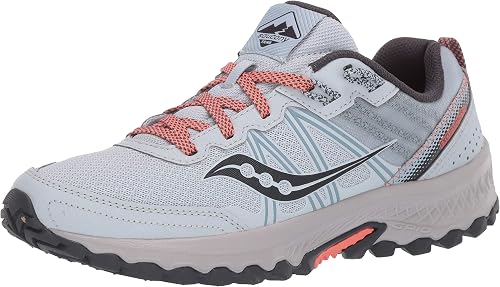
Quick comparison: top vegan trail shoes
| Shoe | Drop | Stack | Outsole | Best For |
|---|---|---|---|---|
| Altra Lone Peak 9 | 0mm | 25mm | MaxTrac | All-around / ultras |
| Saucony Peregrine 14 | 4mm | 28mm | PWRTRAC 5mm lug | Technical racing |
| Vivobarefoot Primus Trail III SG | 0mm | ~4mm | Firm rubber 4mm hex | Minimalist / mud |
| Topo Terraventure 4 | 3mm | 25mm | Vibram XS Trek | Wet rock / mixed terrain |
| Brooks Cascadia 17 | 8mm | 31mm | TrailTack | High-mileage cushion |
Complementary gear: trekking poles for trail running and ultras
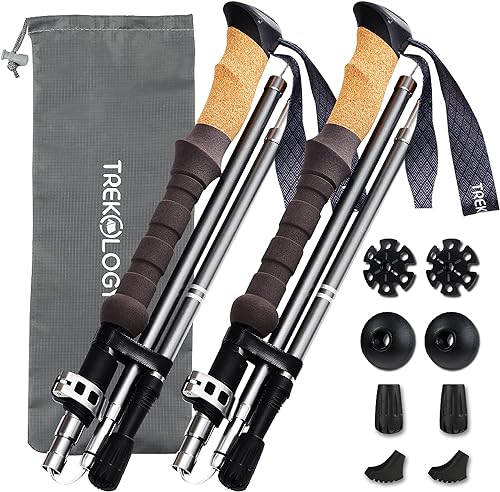
Vegan shoes are step one. The next piece of kit most trail runners underestimate—especially anyone targeting an ultra, FKT, or mountainous course—is a pair of lightweight trekking poles. Poles transfer 15-25% of the climbing workload to your upper body, save your quads on long descents, and help with balance on river crossings. All three picks below are fully synthetic (aluminum + foam or cork + nylon straps) and contain no animal materials, making them natural complements to vegan trail running shoes.
Nordic Lightweight 7075 Aluminum Trekking Poles — Best Lightweight Pair
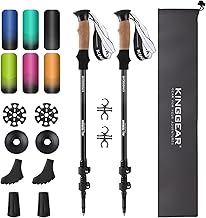
Built from aerospace-grade 7075 aluminum, these poles weigh less than 9 oz each and collapse small enough to clip to a running vest. The EVA foam grip wicks sweat on long climbs, and the carbide tips bite into rock, ice, and packed dirt. Quick-lock adjustment lets you shorten poles for steep climbs and lengthen them for descents in seconds. A great all-around choice for trail runners who want one set of poles for everything from training runs to 100-mile races. Check current price on Amazon.
TREKOLOGY Trek-Z Cork Grip Folding Trekking Poles — Best Folding Design
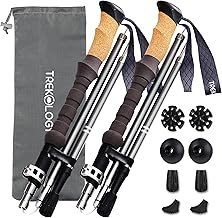
The Trek-Z uses a Z-fold collapse (like ski poles) instead of telescoping, which means faster deployment, more rigidity under load, and a shorter packed length. Natural cork grips conform to your hand shape over time and feel cooler in summer than foam. Aluminum construction keeps cost reasonable while delivering excellent stiffness. Ideal for trail runners doing fast-and-light alpine missions where pack-stowing speed matters between technical sections. See on Amazon.
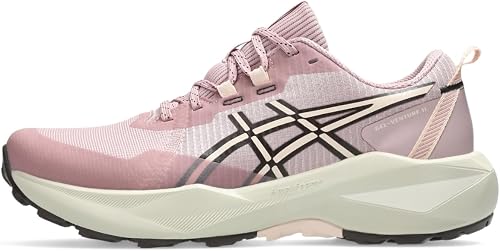
Collapsible Aluminum Trekking Poles, 2-Pack — Best Budget Pair
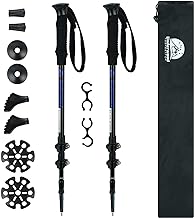
If you're new to using poles and don't want to commit $150+ before you know whether you'll like running with them, this 2-pack is the smartest entry point. Telescoping aluminum construction, foam grips, and adjustable wrist straps cover the basics at a fraction of the price. Heavier than the premium options but perfectly adequate for training runs and weekend hikes. View on Amazon.
How to choose the right vegan trail shoe
Three questions narrow it down fast:
1. What terrain do you actually run? If it's groomed fire road and rolling singletrack, the Cascadia or Lone Peak is overkill-proof and comfortable. If it's wet roots, slick granite, and steep mud, you need the Peregrine's 5mm lugs or the Primus Trail SG. Don't buy aggressive lugs you don't need—they wear faster on pavement transitions and feel clunky on flat trail.
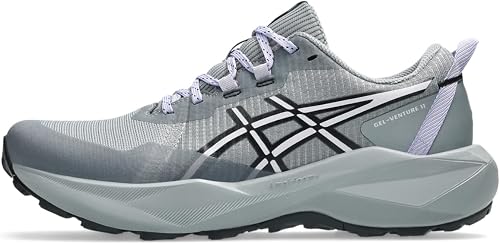
2. What's your drop preference? Coming from road shoes with 8-10mm drop? Don't jump straight to zero-drop. Start with the Terraventure 4 at 3mm, or the Peregrine 14 at 4mm, and ease in. Already running in Altras on road? The Lone Peak 9 will feel like home.
3. How wide are your feet? Vivobarefoot > Altra > Topo > Brooks > Saucony, roughly, in toe-box width. If you've ever lost a toenail running, prioritize width over everything else. For more recommendations across the trail-running stack, see our guide to vegan-friendly trail running vests, our trekking pole buying guide, and our ultralight hiking gear checklist.
Frequently Asked Questions
Are all Altra trail running shoes vegan?
The vast majority of Altra trail shoes—including the Lone Peak, Olympus, Outroad, and Superior lines—are fully vegan. Altra publishes a confirmed vegan list, and as of 2026 only a handful of limited-edition collaborations have used animal-derived overlays. The standard Lone Peak 9 is vegan in every colorway. Always double-check the spec sheet for collaboration or seasonal releases.
What vegan trail shoes are best for wide feet?
The Vivobarefoot Primus Trail III has the widest toe box of any cruelty-free trail runner on the market. The Altra Lone Peak 9 is a close second with its FootShape last. If you want some cushioning, the Topo Terraventure 4 offers an anatomically shaped toe box with moderate width. Avoid Saucony and Salomon if your forefoot measures over a US E width.
Do vegan trail shoes hold up as well as leather ones?
Yes—often better. Modern synthetic uppers from recycled polyester, ripstop nylon, and TPU are lighter, dry faster, and resist abrasion as well as leather. The traditional argument that "leather lasts longer" applies more to hiking boots than to running shoes, which typically last 300-500 miles regardless of upper material. Outsole and midsole compression are the limiting factors, not upper wear.
Are vegan trail shoes waterproof?
Some are. Look for shoes with eVent, OutDry, or Pertex Shield membranes (all synthetic and vegan). Avoid GORE-TEX colorways that include leather collars—check the spec sheet. The Altra Lone Peak 9 GTX and Brooks Cascadia 17 GTX have vegan versions, but the standard non-waterproof model breathes better and dries faster after stream crossings. Most experienced trail runners skip waterproofing entirely in favor of fast-drying mesh.
Can I use vegan trail shoes for hiking and thru-hiking?
Absolutely. Trail running shoes have become the go-to footwear for thru-hikers on the PCT, AT, and CDT precisely because they're lighter, dry faster, and cause fewer blisters than boots. Pair them with trekking poles to compensate for the lower ankle support. The Lone Peak is the single most popular thru-hiking shoe of the past decade, vegan or otherwise.
How many miles do vegan trail shoes last?
Plan on 300-500 miles for the upper and outsole, and 250-400 miles before midsole foam compresses noticeably. Rotation between two pairs extends life significantly—foam recovers between runs. Heavier runners and those with aggressive strikes will land at the low end; lighter runners with smooth form often exceed 500 miles. Vegan construction has no impact on durability either way.
What's the difference between vegan and cruelty-free trail shoes?
Vegan means no animal-derived materials anywhere in the product. Cruelty-free means no animal testing was performed during development. The two often overlap but aren't identical—a shoe could theoretically be vegan but tested on animals (rare in footwear), or use leather but never test on animals. For the strictest ethical standard, look for both PETA-approved-vegan and Leaping Bunny certifications. Brands like Vivobarefoot, Altra, and Saucony meet both bars on their certified vegan models.
Key Takeaways
- Choosing the right vegan trail running shoes means matching capacity and output ports to your actual devices
- Always check actual watt-hours (Wh), not just watts — runtime depends on Wh, not peak output
- Also covers: cruelty free trail shoes
- Also covers: leather free running shoes
- Also covers: plant based trail shoes
- Compare price-per-Wh across models to find the best value for your budget