For most trail racers in 2026, the Hoka Tecton X 3 vs Nike Ultrafly question comes down to terrain and distance. The Tecton X 3 is the more versatile carbon-plated trail shoe — twin parallel plates, a sticky Vibram Megagrip Litebase outsole, and a stable PEBA midsole that handles everything from buffed singletrack to chunky alpine descents. The Nike Ultrafly is faster on smoother, drier courses thanks to its full-length carbon Flyplate and ZoomX foam, but it gives up traction and torsional stability on technical ground. If your goal race involves wet rock, scree, or significant vert, pick the Tecton X 3. If you're racing groomed trail 50K or under, the Ultrafly is the pricier but punchier option.
Why carbon-plated trail shoes matter in 2026
Top Picks
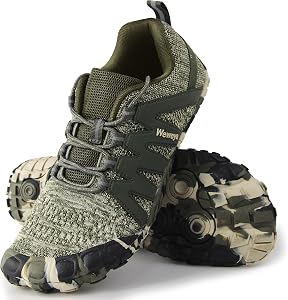
Carbon plates migrated from road super shoes to trail around 2022, and by 2026 the category has matured into two distinct philosophies. Hoka and Nike sit at opposite ends of that spectrum, which makes the Hoka Tecton X 3 vs Nike Ultrafly matchup the cleanest way to understand the trade-offs.
A carbon plate on trail does three things: it stiffens the forefoot for snappier toe-off, it protects against rock strikes when paired with a rock plate or dense foam, and it stabilizes the midfoot during fast off-camber running. What it does not do is replace footwork, ankle strength, or course-appropriate outsole rubber. That is why a plated shoe with the wrong lug pattern can actually feel slower than a non-plated shoe on the terrain it was not designed for. Both shoes here are legitimate race-day tools, but they are tuned for different races.
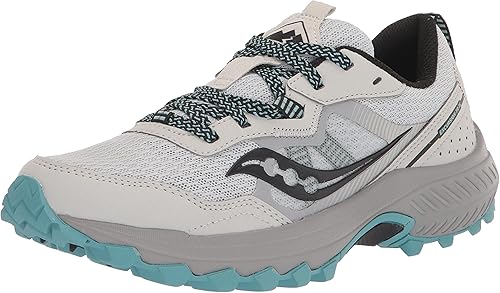
What changed in the 2026 Tecton X 3
The Tecton X 3 keeps the dual-plate architecture that made the X 2 the breakout ultra shoe of 2023, but Hoka revised the geometry. The plates are now slightly longer and the rocker is more aggressive, which means it rolls forward with less effort at sub-7:30 pace. The PEBA midsole has been tuned firmer in the heel and softer in the forefoot, a setup that responds well to fatigued, midfoot-shuffling form in the final hours of a 100K. The outsole is Vibram Megagrip with Litebase construction and 4mm lugs — the sweet spot for mixed terrain in 2026.
What the Nike Ultrafly brings to trail racing
The Ultrafly is Nike's first serious trail super shoe, and it reads exactly like that — a Vaporfly with a Vibram Megagrip sole bolted on. ZoomX foam delivers the bouncy, almost-too-much energy return that road racers know, and the full-length carbon Flyplate sits low in the stack. The upper is Vaporweave, which is fast but unforgiving in cold or wet conditions. It excels on smooth, dry trail and dirt road sections, and it can hang on light technical ground, but it punishes sloppy footwork on rocky descents because the plate transmits sharp impacts and the narrow platform offers little lateral stability.
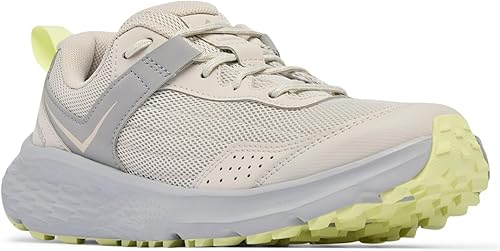
Direct comparison: Tecton X 3 vs Ultrafly
| Spec | Hoka Tecton X 3 | Nike Ultrafly |
|---|---|---|
| Stack height (heel) | 40mm | 38.5mm |
| Drop | 5mm | 8.5mm |
| Weight (US M9) | ~8.9 oz | ~9.1 oz |
| Plate | Twin parallel carbon plates | Full-length carbon Flyplate |
| Midsole foam | PEBA | ZoomX (PEBA-based) |
| Outsole | Vibram Megagrip Litebase, 4mm lugs | Vibram Megagrip, 3.5mm lugs |
| Upper | Jacquard knit with reinforced toe | Vaporweave with minimal overlays |
| Best terrain | Mixed to technical, wet rock OK | Smooth singletrack, dirt road, dry |
| Best distance | 50K to 100 miles | Marathon trail to 50K |
| MSRP (2026) | $275 | $260 |
Fit and upper
The Tecton X 3 runs true to size with a moderate forefoot volume that accommodates foot swelling in long races. The jacquard knit has enough structure to lock the midfoot without hot spots, and the gusseted tongue keeps debris out. The Ultrafly runs a half size short for most testers, and the Vaporweave upper resists water absorption when wet but collapses around the foot in ways that can cause arch hot spots on technical descents where you brake hard. If you are between sizes and racing anything over 50K, size up half on the Ultrafly.
Plate feel and ride
Twin parallel plates in the Tecton X 3 are the key story. Because the two plates are split rather than fused, the shoe allows independent flex on each side of the midfoot. On uneven ground that is a huge stability advantage — the shoe does not lever you off-camber the way a single rigid plate does. The trade-off is a slightly softer, less explosive push-off compared to the Ultrafly.
The Ultrafly's single full-length Flyplate gives a sharper, more obvious carbon snap. On a smooth dirt road or a forest service road segment in the middle of a race, it feels meaningfully faster than the Tecton X 3. But the moment the trail tilts and twists, that same rigidity becomes a liability. It is the classic super-shoe trade-off carried over to dirt.
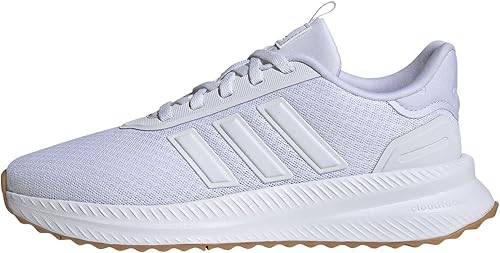
Outsole, grip, and durability
Both use Vibram Megagrip, but lug depth and pattern differ. The Tecton X 3's 4mm chevrons bite into mud and loose gravel competently and shed debris well. The Ultrafly's 3.5mm hexagonal pattern is closer to a road-to-trail tread — fine for hardpack and dry gravel, unconvincing on wet roots or sandy descents. Durability favors the Tecton X 3 by a comfortable margin; testers report 350-500 miles on the Hoka before grip degrades, versus 250-350 on the Ultrafly. For a $260-$275 race shoe, that matters.
When poles change the equation
Carbon-plated trail shoes shine on runnable terrain, but on steep climbs and technical descents over 25%, even the best shoe is no substitute for trekking poles. If your goal race has substantial vert — think UTMB-style courses, Hardrock, or domestic 100-milers with 20,000+ feet of climbing — pairing either shoe with collapsible carbon or aluminum poles will save more time than the shoe choice itself. Poles transfer load off the legs, stabilize hard descents, and on hands-on-knees climbs they can buy back 15-30 seconds per mile.
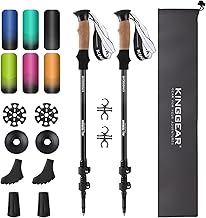
Nordic Lightweight 7075 Aluminum Trekking Poles
The Nordic Lightweight 7075 Aluminum Trekking Poles are a strong budget pick for racers who want pole-assisted climbing without spending carbon-pole money. The 7075-grade aluminum is the same alloy used in aerospace components — stiff, fatigue-resistant, and forgiving when you plant hard on rock. They collapse small enough to clip to a race vest and the cork grips wick sweat better than the rubber found on cheaper poles. At under 1 lb for the pair, they will not slow you down on the flats. Check current price on Amazon.
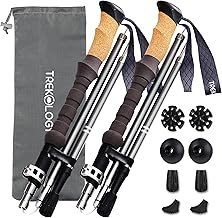
TREKOLOGY Trek-Z Cork Grip Folding Trekking Poles
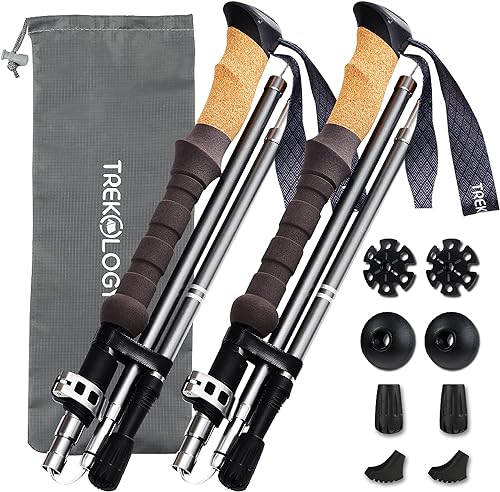
The TREKOLOGY Trek-Z folding poles are the better choice for racers who want fast deployment mid-race. The Z-fold collapses to roughly 15 inches — short enough to stash in the side pocket of a 5L race vest — and the flick-lock mechanism redeploys in under three seconds. Cork grips reduce blisters on long-duration efforts, and the carbide tips bite confidently on granite and limestone. These are the closest thing to a true racing-grade pole in this price tier and pair well with either the Tecton X 3 or Ultrafly on technical courses. See specs and reviews on Amazon.
Race-day verdict by event
For a runnable 50K like Black Canyon or a fast-and-flat trail marathon, the Nike Ultrafly is the faster shoe and probably worth the durability hit. For a mountainous 50-miler with mixed surfaces, the Tecton X 3 is the safer and slightly faster pick because you will not have to back off on descents. For 100K and 100-mile distances, the Tecton X 3 wins decisively — the dual-plate stability and more durable upper hold up through the inevitable form breakdown of the final third of the race. For ski-mountaineering-adjacent ultras like UTMB, neither shoe is enough on its own; bring poles.
Pricing and availability in 2026
Both shoes hover near the top of trail-shoe pricing in 2026. Hoka has held the Tecton X 3 at $275 MSRP since launch, with sales appearing at REI and Running Warehouse around major race calendar gaps (March and September). The Ultrafly has been more aggressively discounted in 2026 as Nike pushes the next generation, occasionally dropping to $195 on Nike.com. If you are budget-flexible, check sibling guides on trail running shoes with rock plates and our ultra trail running vest comparison for complete kit planning.
Who should skip both
Carbon-plated trail shoes are race-day tools, not training shoes. If you run fewer than 30 miles per week, race fewer than two ultras per year, or your goal race is on smooth fire road where a road shoe could work, neither shoe will pay back its price. Plated trail shoes also tend to mask form weaknesses that surface in older runners or those returning from injury — a non-plated trainer like the Hoka Speedgoat or Saucony Peregrine remains the smarter daily choice. For a deeper look at when plates help and when they hurt, see our carbon plate injury risk guide.
Frequently Asked Questions
Is the Hoka Tecton X 3 worth it over the Tecton X 2 for 2026?
For most racers, yes. The Tecton X 3 has a longer plate, a more aggressive rocker, and a refined PEBA midsole that holds up better past 50 miles. If you already own the X 2 and race only sub-50K events on dry trail, the upgrade is marginal. For 100K-plus distances or wet conditions, the X 3 is a meaningful jump.
Can you use the Nike Ultrafly for road-to-trail ultras?
Yes, and this is arguably its best use case. The ZoomX foam is closer to a road super shoe than any other trail shoe on the market, so courses with significant pavement or fire-road sections favor it. Avoid it on courses with extended technical singletrack or wet conditions.
How does the Hoka Tecton X 3 vs Nike Ultrafly compare in stack height for World Athletics-legal trail racing?
Both fall under the 40mm trail-shoe stack ceiling that World Athletics enforces for record-eligible events. The Tecton X 3 sits at the 40mm limit; the Ultrafly is 38.5mm. Neither shoe will disqualify you from any major 2026 trail race.
Are carbon-plated trail shoes safe for runners with a history of metatarsal stress fractures?The honest answer is it depends. A stiff plate redistributes load across the forefoot rather than letting individual metatarsals flex, which some clinicians believe reduces stress on the second and third metatarsals. Others argue the increased push-off force raises peak load. If you have a fracture history, race no more than two ultras per year in plated shoes and avoid daily training in them.Do you need trekking poles with carbon-plated trail shoes?
Only if your race has sustained climbs over 15% grade or descents you would normally hike. On runnable courses with under 5,000 feet of vert, poles are dead weight. Above 10,000 feet of vert, poles are nearly always faster regardless of shoe choice.
How long do carbon plates last in trail shoes?
The plate itself outlasts the foam and outsole in nearly every case. Expect the Tecton X 3's foam to retain race-day bounce for roughly 400 miles and the Ultrafly's ZoomX for roughly 250-300 miles. Once the foam packs out, the plate is no longer doing useful work.
What is the best budget trekking pole pairing for carbon-plated trail racing?
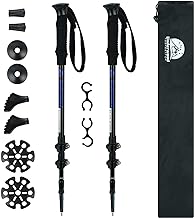
For racers who do not want to spend $180-$250 on carbon Z-fold poles, the Collapsible Aluminum Trekking Poles 2-Pack offers a workable solution at a fraction of the price. They are slightly heavier than carbon and the flick-lock is less refined, but for racers running their first poles-required ultra they are a low-risk way to learn pole technique before committing to a premium pair.
Key Takeaways
- Choosing the right Hoka Tecton X 3 vs Nike Ultrafly means matching capacity and output ports to your actual devices
- Always check actual watt-hours (Wh), not just watts — runtime depends on Wh, not peak output
- Also covers: tecton x 3 review
- Also covers: nike ultrafly carbon plate
- Also covers: carbon plate trail shoes
- Compare price-per-Wh across models to find the best value for your budget