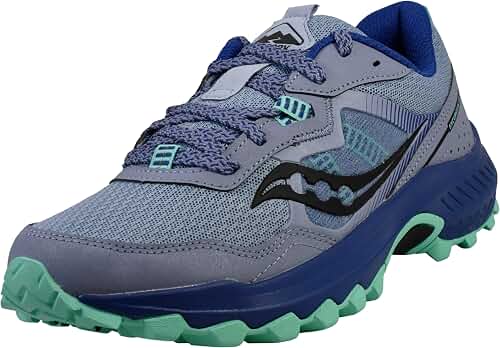
Top Picks
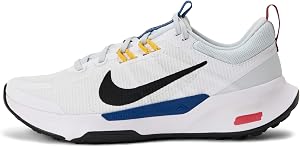
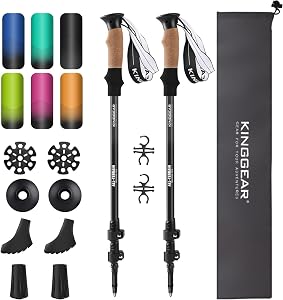
Step 2: The Fit Revolution (This Changes Everything)
Here's the secret most outdoor retailers won't tell you: capacity is meaningless if the fit is wrong. A perfectly-fitted 30L pack will outperform a poorly-fitted 60L every single time.
Measure Your Torso Length
This is the single most important measurement you'll make. Forget your height—your torso length is what matters.
- Find your C7 vertebra – The bony bump at the base of your neck when you tilt your head forward
- Locate your iliac crest – Place your hands on your hips with thumbs pointing back
- Measure between the two – Have a friend help with a soft measuring tape
| Torso Length | Pack Size |
|---|---|
| Up to 15.5" | Extra Small |
| 16" to 17.5" | Small |
| 18" to 19.5" | Medium |
| 20"+ | Large |
Your Backpack Is the Difference Between an Epic Adventure and a Miserable Slog
Picture this: You're three hours into a stunning ridge hike, the views are breathtaking, the weather is perfect... but your shoulders are screaming, your lower back is on fire, and that nagging hip strap is rubbing your skin raw.
Sound familiar? The wrong backpack can transform paradise into punishment. The right one? It practically disappears on your body, letting you focus on what really matters: the trail, the views, and the freedom.
This comprehensive guide will walk you through everything you need to know to choose a backpack that fits like it was custom-made for you.
Quick Stats That Matter
> 78% of hikers report that pack fit is the #1 factor in trail comfort > > 15-20% of your body weight is the recommended maximum pack load > > 3 out of 4 beginners buy the wrong pack size on their first try
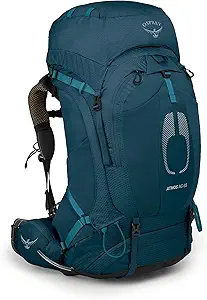
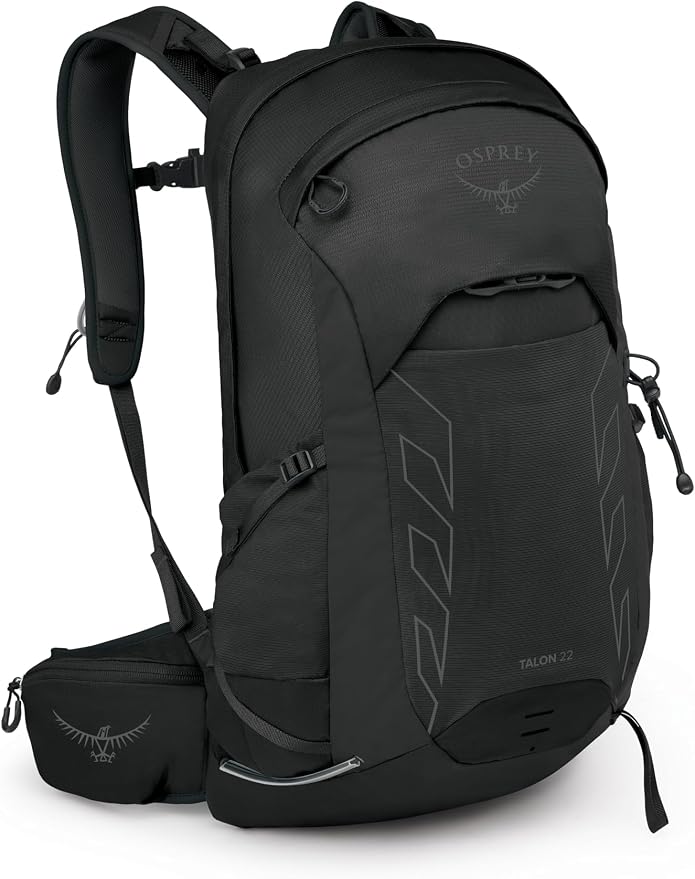
Featured recommendations from our review database — direct Amazon links below.
Step 1: Match Your Pack to Your Adventure
Not all hikes are created equal, and neither are the packs that carry your gear. Here's how to think about capacity:
Daypacks (15-30 Liters)
Perfect for day hikes, urban adventures, and short nature walks. Light, nimble, and built for speed.- Best for: Half-day to full-day hikes
- Carry weight: Snacks, water, layers, first aid
- Sweet spot: 20-25L for most day hikers
Weekend Warriors (30-50 Liters)
The Goldilocks zone for overnight trips and minimalist backpackers who've mastered the art of packing light.- Best for: 1-3 night trips
- Carry weight: Tent, sleeping bag, food, cookware
- Pro pick: 40L hits the perfect balance
Multi-Day Expedition Packs (50-70+ Liters)
These beasts are built for serious mileage and serious gear hauling.- Best for: 3-5+ night excursions
- Carry weight: Full camping kit, extra food, cold-weather gear
- Reality check: Bigger isn't always better—you'll fill whatever space you have
Watch: How to Choose Your Hiking Backpack Like a Pro
Hip Belt Sizing
80% of your pack's weight should rest on your hips, not your shoulders. A properly sized hip belt wraps around the top of your hip bones (iliac crest), not your waist.
> Expert Tip: When trying on a loaded pack, the hip belt should sit centered on your hip bones with about an inch of padding on either side. If the buckle pulls all the way to center, you need a smaller belt. If there's no overlap, you need a bigger one.
Step 3: Essential Features That Separate Great from Gimmicky
Must-Have Features
- Adjustable torso length – Critical for dialing in the perfect fit
- Load lifter straps – Those magical straps on top of the shoulders that pull the load close
- Sternum strap – Stabilizes shoulder straps and prevents slippage
- Hydration reservoir sleeve – Non-negotiable for long days
- Hip belt pockets – For snacks, phone, and quick-access essentials
Nice-to-Have Features
- Rain cover (integrated or separate)
- Trekking pole attachments
- Bottom sleeping bag compartment
- External daisy chains for gear lashing
- Ventilated back panel (game-changer in hot weather)
Features to Skip
- Excessive zippered compartments (weight adds up)
- Built-in solar panels (gimmicky and inefficient)
- Oversized brain lids on small packs
Step 4: Suspension Systems Explained
The "suspension" is how the pack transfers weight to your body. Three main types:
Internal Frame (The Modern Standard)
Flexible aluminum stays or composite frames hidden inside the pack. Hugs your body, excellent for technical terrain and scrambling.External Frame (Old School Cool)
Visible frame outside the pack body. Great for heavy loads and ventilation, but bulky and outdated for most uses.Frameless (Ultralight Heaven)
No internal structure—the gear itself provides the shape. Lighter than air but requires expert packing skills and limits comfortable carry weight to about 25 pounds.Watch: The Ultimate Packing Strategy
Step 5: Top Brands Worth Your Trust
After testing hundreds of packs on thousands of trail miles, these brands consistently deliver:
- Osprey – The gold standard. Lifetime "All Mighty Guarantee."
- Gregory – Unmatched fit and load-carrying excellence
- Deuter – German engineering meets bombproof construction
- Hyperlite Mountain Gear – Ultralight Dyneema dream packs
- REI Co-op – Excellent value, surprisingly innovative
- Mystery Ranch – Military-grade durability for serious adventures
Key Takeaways
> The Three Rules of Pack Selection: > > 1. Fit beats features every time – A perfectly fitted pack from a budget brand will outperform a poorly fitted premium pack > 2. Buy for your trips, not your dreams – That epic Pacific Crest Trail thru-hike you've been planning? You can rent or upgrade later > 3. Always test with weight – Load the pack with 20+ pounds in the store. An empty pack tells you nothing.The Bottom Line
Choosing the right hiking backpack isn't about finding the most expensive option or the one with the coolest features. It's about finding the pack that disappears on your back—the one that lets you focus on the journey instead of the discomfort.
Take your time. Try multiple options. Visit a specialty outdoor retailer if possible, and don't be afraid to walk around the store for 15 minutes with a loaded pack. Your shoulders, hips, and back will thank you for every mile of every adventure ahead.
Now get out there. The trail is calling.
Related Reviews
- Trekking Poles Buyer's Guide: What to Look for Before You Buy
- Hiking Gear on a Budget: Smart Buying Tips for Beginners
- How to Choose the Right Hiking Backpack Size: Complete Fit Guide
- Trail Running Shoes Guide: Key Features and Common Mistakes
- How to Choose Trail Running Shoes: A Complete Buyer's Guide
Key Takeaways
- Choosing the right how to choose a hiking backpack means matching the key features to your specific needs and budget
- Read real customer reviews and check the return policy before you commit
- Also covers: hiking backpack sizing guide
- Also covers: backpack capacity liters
- Also covers: backpack fit measurement
- Compare value across models — the priciest option is not always the best fit
