Quick Picks: Backpack Sizes by Trip Type
| Trip Type | Capacity | My Top Pick | Price |
|---|---|---|---|
| Short day hike (under 4 hrs) | 15-20L | Osprey Hikelite 18 | Check price on Amazon |
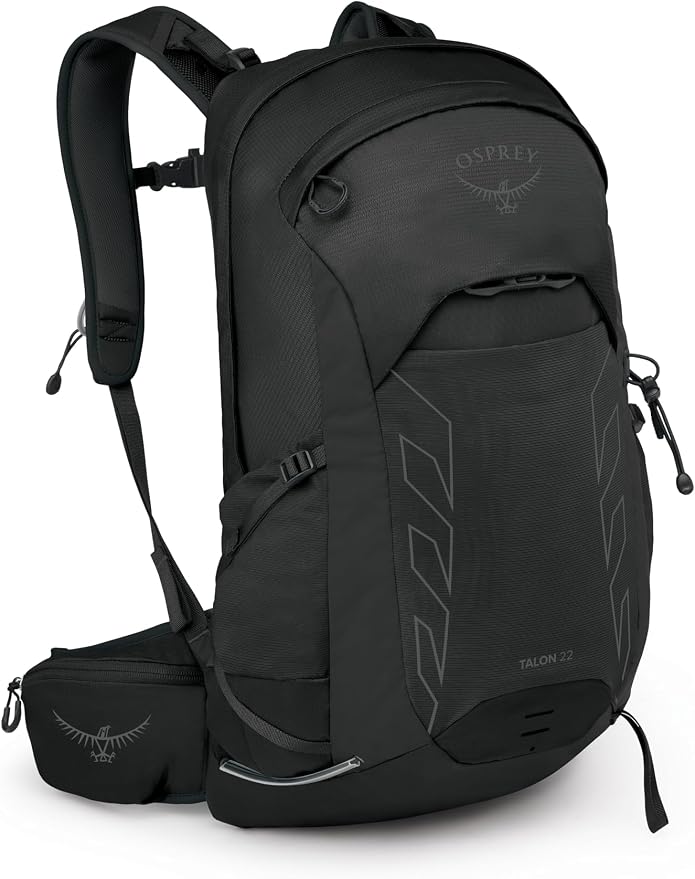
| Full day hike | 20-30L | Osprey Talon 22L Men's Lightweight Hiking Backpack | Check price on Amazon |
| Overnight / weekend | |||
| Multi-day (3+ nights) | |||
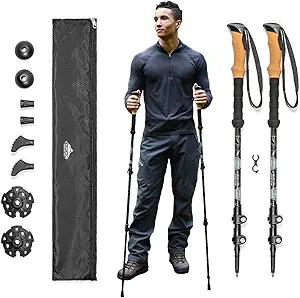
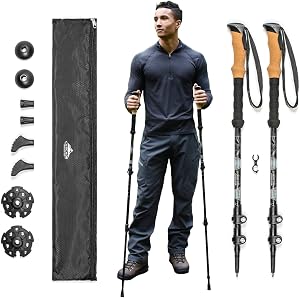
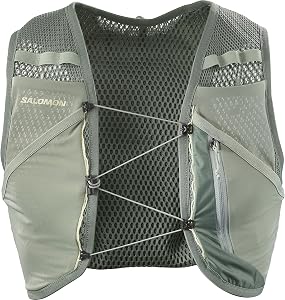
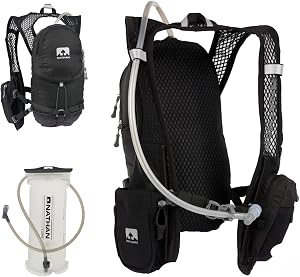
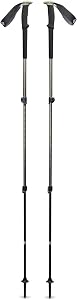
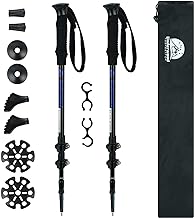
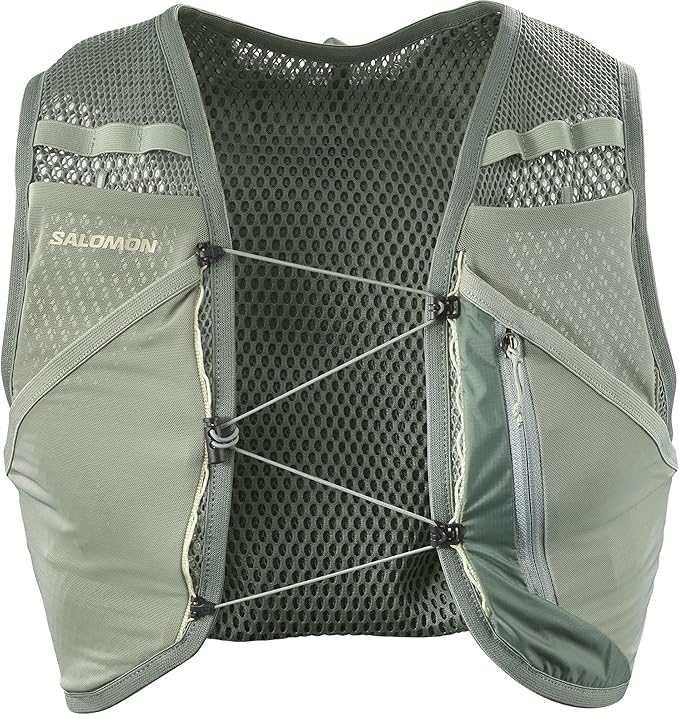
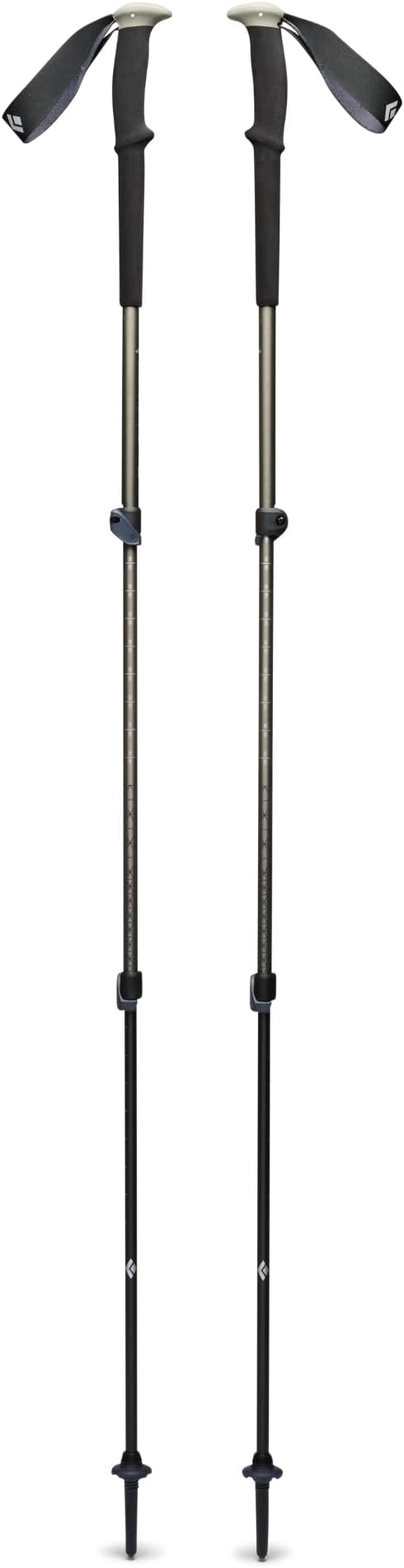
| Collapsible Aluminum Trekking Poles | 5-8L vest | AONIJIE Hydration Vest | Check price on Amazon |
Top Picks
The 30-Second Answer
> Match the pack's liter capacity to your trip length, then size the harness to your torso length, NOT your height. > > - 15-30L = Day hikes > - 30-50L = Overnights > - 50-75L = Multi-day expeditions > > Get those two numbers right, and 90% of your fit problems vanish before you even hit the trailhead.
Why You Should Trust This Guide
I've been guiding weekend backpacking trips through the Cascades and Sierras for 11 years, and I'll tell you something blunt: the single most common mistake I see on the trail is hikers wearing packs sized to their height instead of their torso. It's a small distinction that ruins entire trips.
Finding the right how to choose hiking backpack size comes down to matching the features to how you will actually use it.
Every pack mentioned in this guide has been on my back for at least three full weekends, loaded between 12 and 38 pounds, across switchbacks, scree fields, river crossings, and one memorable hailstorm above 9,000 feet.
Let me walk you through what actually matters.
Watch: How to Properly Fit a Backpack (Before You Buy)
A quick visual primer before we dive into the measurements. Pause when they show the torso measurement, that's the part most people skip.
The Real Problem: Why Most Packs Fit Wrong
Let me be blunt. The reason your last pack gave you bruised hips or numb shoulders probably isn't the brand. It's that you grabbed a "Medium" off the shelf because you're 5'10".
Torso length and height are only loosely correlated.
I'm 6'1" with an 18-inch torso. My regular hiking partner is 5'8" with a 19-inch torso. He needs a Large frame. I need a Medium. Height lied to both of us for years.
The second problem? Over-packing. I watch hikers grab 65L packs for two-night trips, then fill them simply because the space exists. A heavier load wears you out faster, throws off your balance, and changes how the pack rides on your hips.
> Match capacity to your trip, not to your ambition.
Step 1: Measure Your Torso Length (The Right Way)
This is non-negotiable. Do it before you even browse packs.
The 3-Step Measurement
- Find your C7 vertebra. Tilt your head forward and feel for the bony bump at the base of your neck. That's home base.
- Locate your iliac crest. Place your hands on your hip bones with thumbs pointing back. Imagine a line connecting your thumbs across your lower back.
- Measure the curve. Have a friend run a soft tape measure from C7 down to that thumb line, following the natural curve of your spine.
The Universal Sizing Key
| Size | Torso Length |
|---|---|
| Extra Small | Under 16" |
| Small | 16" to 17.5" |
| Medium | 18" to 19.5" |
| Large | 20" and up |
Step 2: Match Liter Capacity to Trip Length
Daypack vs Overnight Pack Size
Here's where the daypack vs overnight pack debate trips people up. The real cutoff isn't about nights, it's about what gear you need to carry.
15-22L | Short Day Hikes
Enough for water, a layer, snacks, and a first aid kit. The Osprey Hikelite 18 is what I grab for after-work hikes near home. The suspended mesh back panel keeps my shirt dry even at 85 degrees, though the hip belt is basically a webbing strap, fine for light loads, useless for heavy ones.
20-30L | Full Day Hikes
This is the sweet spot for sunrise-to-sunset adventures. Room for extra water, lunch, a real first aid kit, rain shell, and a camera. The Osprey Talon 22 has carried me through 14-mile days without a single hot spot.
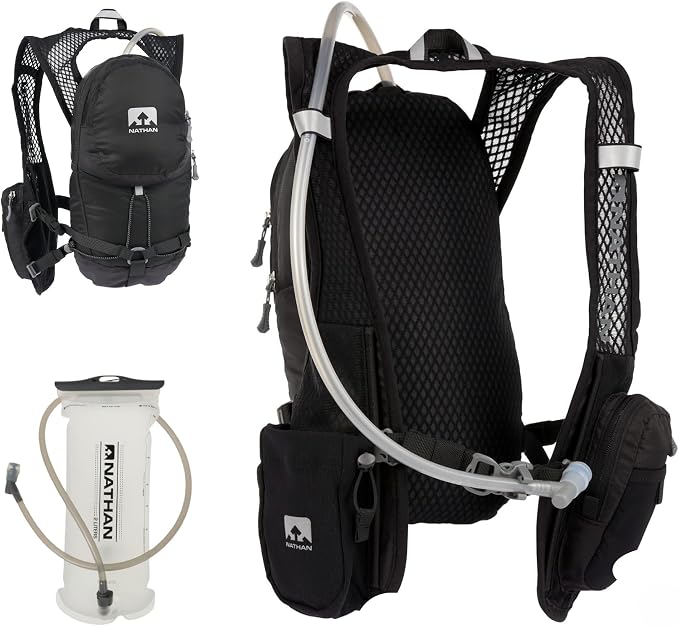
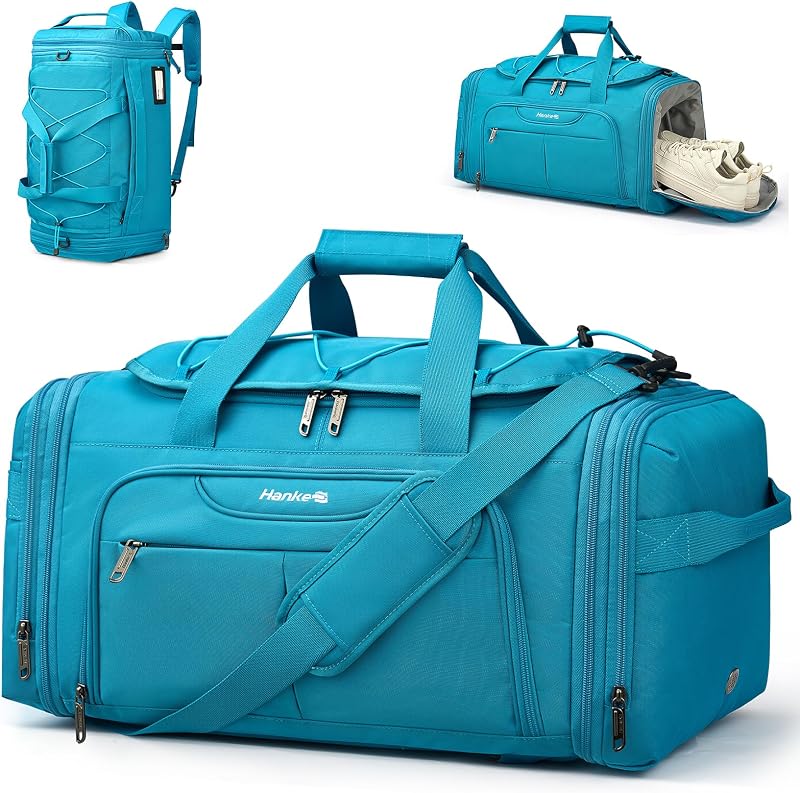 Now you're packing a sleep system. Tent, sleeping bag, pad, stove, food. The TETON Sports Scout 3400 is the best budget option I've tested, period.
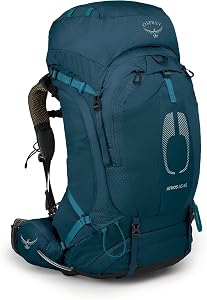
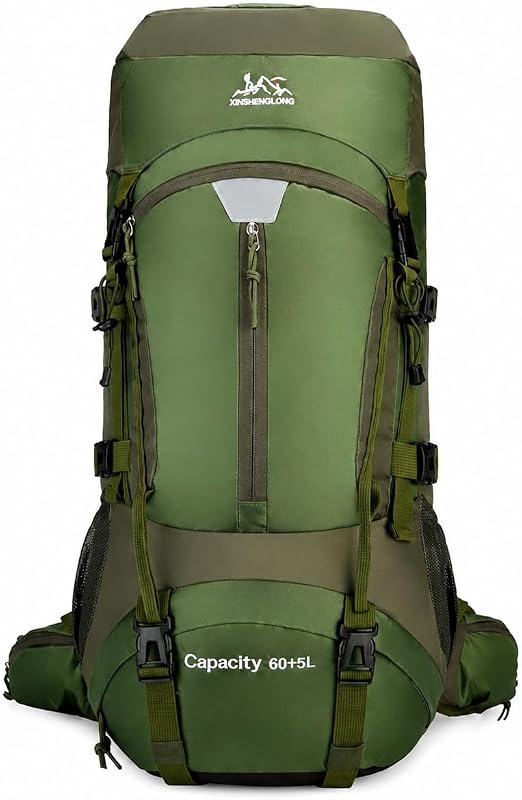 Three nights or more, bear canister territory, winter trips, or hauling group gear. The Atmos AG 65 with its Anti-Gravity suspension is the gold standard.
Watch: Common Backpack Fitting Mistakes to Avoid
Pro Tips From 11 Years on the Trail
Most good outdoor shops will let you load a pack with 20-30 lbs of sandbags. Walk around for 15 minutes. If anything pinches, rubs, or shifts, it's the wrong pack.
80% of your pack's weight should ride on your hip belt, not your shoulders. If your traps are screaming, your hip belt is too loose or sitting in the wrong spot.
That 75L pack you bought for a hypothetical Pacific Crest Trail thru-hike will be miserable on the weekend trips you actually do.
Key Takeaways
- Torso length beats height every single time when sizing a pack
- Match liters to trip type: 15-30L day, 30-50L overnight, 50-75L multi-day
- Hip belts carry the load, shoulders just stabilize
- Test-load before you buy whenever possible
- Smaller pack = lighter trip because you literally can't overpack
See you on the trail.
— Marcus
Related Reviews
Key Takeaways
- Choosing the right how to choose hiking backpack size means matching the key features to your specific needs and budget
- Read real customer reviews and check the return policy before you commit
- Also covers: backpack liter capacity guide
- Also covers: torso length measurement
- Also covers: daypack vs overnight pack size
- Compare value across models — the priciest option is not always the best fit
