If you've been chasing the Salomon Sense Ride 5 narrow feet high arch verdict before clicking buy, here's the short answer for 2026: the Sense Ride 5 runs noticeably wider than legacy Salomon lasts (closer to a true medium), so narrow-footed runners often need to size down a half or rely on the Quicklace system aggressively to lock the midfoot. High-arch runners generally love the Optivibe foam stack and the molded Ortholite sockliner, but the stock insole sits flat — most narrow/high-arch runners swap in a structured aftermarket insole on day one to get real arch contact and stop the foot from sliding inside the shoe on descents.
The short verdict for narrow feet and high arches
Top Picks
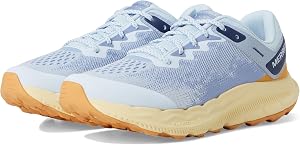
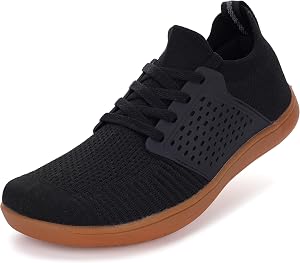
The Sense Ride 5 is one of Salomon's most accessible everyday trail shoes, but Salomon shifted the last wider in this generation compared with the Sense Ride 3 and 4. That move helped a lot of average-width runners stop blackening toenails, but it created a real problem for the narrow-footed crowd: too much volume across the midfoot, heel slip on technical climbs, and a sloppy feel through cambered singletrack. If your foot is a B width or narrower and you have a high arch that needs to be filled, you can absolutely make the Sense Ride 5 work — but you need to plan for it.
The good news: the upper is dense, the eyelets are reinforced, and the Quicklace cinches evenly. Combined with an aftermarket insole, the shoe locks down well enough for most non-technical and lightly technical trail running. The bad news: if your foot is on the extreme end of narrow (AA or smaller), the Sense Ride 5 will probably never feel right, and you'd be better served by the Salomon S/Lab Pulsar or a non-Salomon shoe with a confirmed narrow last.
When shopping for Salomon Sense Ride 5 narrow feet high arch, it pays to compare specs, capacity, and real-world runtime before committing.
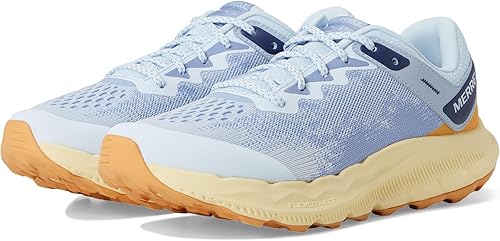
Why narrow-footed runners struggle with the Sense Ride 5
Salomon's traditional reputation was for skinny European lasts — the original Sense Pro and the early Speedcross felt almost like ballet flats. The Sense Ride line has always been the wider, more forgiving cousin in the Salomon family, but versions 1 through 4 still felt snug for North American feet. With the Sense Ride 5, the brand widened the toe box noticeably and added more material at the medial midfoot. For a US men's 9.5, you're looking at roughly 100mm of forefoot width at the widest point, which is functionally a medium D. Compare that with the 92-94mm forefoot of the older Sense Pro 4 and you can feel the difference immediately.
If your foot doesn't fill that volume, two things happen. First, the upper bunches under the lacing because the eyelets are pulling fabric across empty space — this creates pressure points along the dorsal tendons. Second, your heel lifts on steep climbs because the rearfoot is locked by foam rather than by a rigid heel counter (Salomon went softer on the heel cup in this generation). The fix isn't subtle. You need to either drop a half size, fill the volume with a thicker insole, or run the heel-lock lacing pattern (skipping the second-to-top eyelet and using the top hole for a runner's loop). Most narrow-footed buyers end up doing all three.
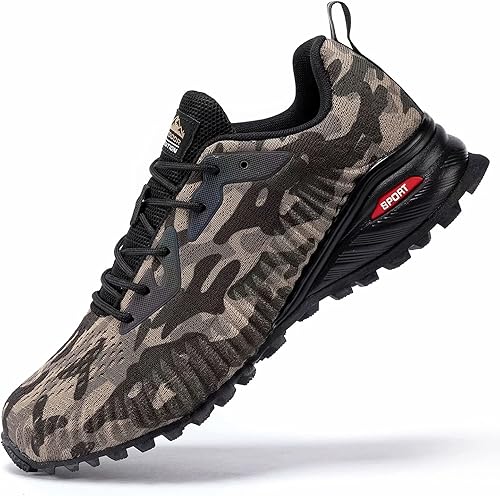
High arches: the Optivibe foam is great, the insole is not
Optivibe is Salomon's compression-molded EVA blend designed to dampen vibration without going full marshmallow. For high-arch runners, this matters because rigid arches transmit impact straight up the kinetic chain — your knees, hips, and lower back feel every rock. The Optivibe midsole genuinely takes the edge off, and the 8mm drop is a sweet spot for runners who don't want a zero-drop shoe but also don't want to feel perched on a heel block.
The problem is the stock Ortholite sockliner. It's a thin slab with no meaningful arch contour. For low-arch and medium-arch runners that's fine — the foot fills the shoe naturally. For high-arch runners it leaves a literal air gap under the arch, which causes two failure modes: the foot collapses inward (pronation) to find contact, or the foot stays rigid and the arch fatigues from doing all the spring-loading itself. Either way, by mile 10 you feel it.
The fix is cheap and decisive: pull the stock insole and drop in a structured aftermarket option. Superfeet Green (high-volume, rigid arch) is the most common pick; PowerStep Pinnacle Maxx is a softer alternative if Superfeet feels too aggressive. Both add 1-2mm of stack but more importantly they fill the arch and slightly reduce internal volume — which solves the narrow-foot problem at the same time. This is the single highest-leverage change you can make to a Sense Ride 5 for our use case.
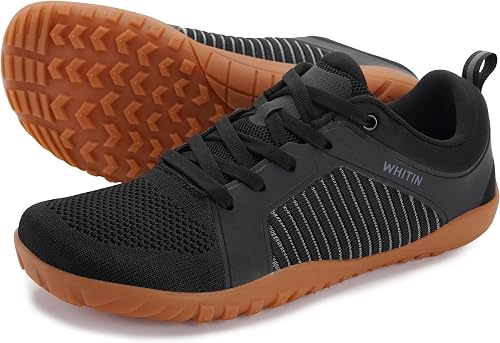
Sizing recommendation for narrow + high-arch buyers
For 2026, the repeatable recommendation is: order your standard US running size, plan to drop in a structured insole, and only return for a half-size down if there's still excess volume at the midfoot after the insole swap. Going down a half size before swapping the insole almost always ends in toe bang on long downhills, because the Optivibe foam compresses under load and your toes migrate forward. The insole-first approach preserves toe clearance while solving midfoot lockdown.
Width-wise, Salomon does not sell the Sense Ride 5 in a narrow width, but the shoe is offered in a standard and a wide. Narrow-footed buyers should ignore the wide entirely and treat the standard as if it were a medium D. If you've historically worn Brooks Pure-series shoes or Altra in standard width and they felt loose, you'll feel the same looseness here. If you wear New Balance 2E in standard or Hoka Speedgoat in standard without issue, the Sense Ride 5 will feel familiar.
Trekking poles for ultra-distance days in the Sense Ride 5
The Sense Ride 5 is positioned as a daily trail trainer with enough cushion to push into the 50K and 50-mile range. Once you're spending six-plus hours on your feet, trekking poles stop being "for hikers" and become a legitimate performance tool — they offload roughly 5-10% of the impact load from your legs on descents and let you power-hike technical climbs without your quads cooking. For high-arch runners in particular, pole use is doubly useful because it reduces the cumulative micro-impacts the arch absorbs over the back half of a long day.
Here are three pole options that pair well with a daily trail shoe like the Sense Ride 5. Avoid heavy 4-season mountaineering poles — you want light, foldable, fast-deploy options that live in your vest's pole holster.
| Pole | Material | Pack style | Grip | Best for |
|---|---|---|---|---|
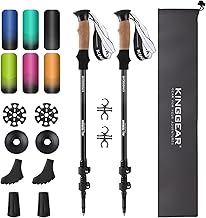
| Nordic Lightweight 7075 Aluminum | 7075 aluminum | Telescoping | EVA foam | All-around trail use, budget-friendly |
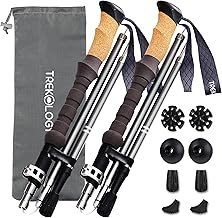
| TREKOLOGY Trek-Z Cork Grip | 7075 aluminum | Z-fold (3-section) | Cork | Ultra running, vest-stowable |
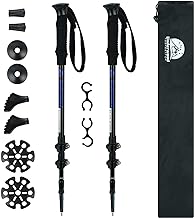
| Collapsible Aluminum 2-Pack | Aluminum | Telescoping | Foam | Two-runner households, hiking crossover |
Nordic Lightweight 7075 Aluminum Trekking Poles
These are a no-nonsense telescoping pole using 7075-series aluminum, which is the same alloy used in higher-end trekking poles at twice the price. They're not the lightest poles you can buy, but the durability-per-dollar ratio is excellent for runners who don't want to baby their gear. The EVA grip is comfortable in cool-weather running where cork can feel cold, and the flick-locks hold under aggressive plant-and-push descents. For a Sense Ride 5 user logging weekend long runs and the occasional 50K, these are a sensible first pole. Check the Nordic 7075 poles on Amazon.
TREKOLOGY Trek-Z Cork Grip Folding Trekking Poles
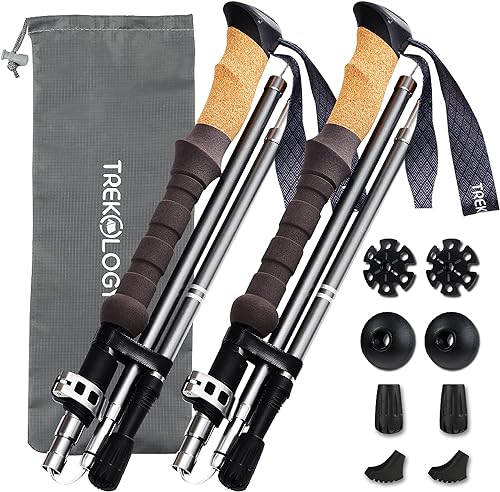
The Trek-Z is the right answer for true ultra runners. The Z-fold design collapses into three short sections that fit into a running vest's vertical pole carry, which means you can deploy and stow without taking the vest off. The cork grips wick sweat better than EVA on hot days, and they conform to your palm shape over time. They're lighter than the Nordic 7075 model and pack roughly half the volume. If you're running anything past a 50K, especially with significant vertical, these are the pole to buy. See the TREKOLOGY Trek-Z on Amazon.
Collapsible Aluminum Trekking Poles, 2-Pack
This option is a 2-pack of telescoping aluminum poles aimed at hikers as much as runners, but the value is genuine if you have a training partner or want a backup pair. For Sense Ride 5 users who also do shouldered-pack backpacking, this single purchase covers both use cases without buying two separate sets. The collapsed length is longer than the Trek-Z, so they're better suited to lash-on carry than internal vest carry. Browse the 2-pack option on Amazon.
Where the Sense Ride 5 actually shines
Once you've solved the fit problem (right insole, right lacing, right size), the Sense Ride 5 is a remarkably versatile shoe. The Contagrip outsole handles dry rock, packed dirt, light mud, and gravel without complaint — it's not a soft-mud specialist like the Speedcross, but it covers 80% of North American trail conditions. The Optivibe midsole stays consistent for 350-500 miles before you'll feel meaningful pack-out, and the upper resists the abrasive failure modes that have plagued some lighter Salomon mesh in past generations.
For a high-arch narrow-footed runner specifically, the Sense Ride 5 is best deployed as a daily trainer for mixed-surface running and rolling singletrack. It's adequate for technical terrain but not optimized for it — if you're regularly running above treeline or on exposed rock, look at the S/Lab Genesis instead. For a deeper look at trail shoe geometry, see our guide on trail running shoes for high arches, and if you're still narrowing your shortlist, our breakdown of the best trail shoes for narrow feet covers options across multiple brands. Runners deciding between Salomon models should also check our Salomon trail shoe sizing guide before pulling the trigger.
Frequently Asked Questions
Does the Salomon Sense Ride 5 run narrow or wide compared to the Sense Ride 4?
The Sense Ride 5 runs wider than the Sense Ride 4, particularly in the forefoot and midfoot. Salomon widened the last specifically to reduce returns from runners with average-to-wide feet. For narrow-footed runners this is a downgrade — you'll need a structured insole and aggressive lacing to compensate, or you should look at the older Sense Ride 4 while remaining inventory lasts.
Is the Salomon Sense Ride 5 good for high arches without an aftermarket insole?
No. The stock Ortholite sockliner is flat with no arch contour, which leaves a measurable air gap under a high arch. You'll feel arch fatigue and possibly plantar irritation by mile 8-10. Swap in Superfeet Green or PowerStep Pinnacle Maxx as a day-one purchase. The Optivibe midsole itself is excellent for high-arch impact damping, but the insole is the limiting factor.
Should narrow-footed runners size down a half size in the Sense Ride 5?
Not before you've tried an aftermarket insole first. Sizing down without first reducing internal volume via a thicker insole almost always causes toe bang on descents, because the Optivibe foam compresses under load and pushes your toes forward into the toe box. Try the insole change first, run a long descent, and only then consider a half-size drop.
Are trekking poles worth carrying with a daily trail trainer like the Sense Ride 5?
For runs over four hours or with significant vertical, yes. Poles offload 5-10% of impact on descents, save your quads on climbs, and reduce the cumulative load on a high arch. For sub-two-hour runs on rolling terrain, they're more nuisance than help. Pick foldable Z-style poles like the TREKOLOGY Trek-Z for vest carry on long days.
How many miles will the Salomon Sense Ride 5 last for a high-mileage runner?
Plan on 350-500 miles before the Optivibe midsole packs out meaningfully. Lighter runners on softer surfaces will get closer to 500; heavier runners on rocky terrain will see 350. The outsole typically outlasts the midsole. If you're logging 50-plus miles a week, rotate the Sense Ride 5 with a second shoe to extend midsole life and reduce repetitive-stress injuries.
What's the best alternative to the Sense Ride 5 for runners with very narrow feet?
For genuinely narrow feet (AA/B width), the Salomon S/Lab Pulsar runs narrower than the Sense Ride 5 and uses a more aggressive heel lockdown. Outside Salomon, look at the Saucony Peregrine 14 in standard width or the Nike Pegasus Trail 5. None of these are perfect narrow lasts, but all run snugger than the Sense Ride 5's 2026 last.
Can I use the Salomon Sense Ride 5 for ultramarathons with high arches and narrow feet?
Yes, with the modifications described above (structured insole, careful lacing, half-size adjustment if needed). The Sense Ride 5 has enough cushion for 50K and is workable up to 50 miles for most runners. Past 50 miles, consider a more cushioned shoe like the Hoka Speedgoat 6 or the Salomon Ultra Glide 2, both of which have more stack height for late-race foot fatigue.
Key Takeaways
- Choosing the right Salomon Sense Ride 5 narrow feet high arch means matching capacity and output ports to your actual devices
- Always check actual watt-hours (Wh), not just watts — runtime depends on Wh, not peak output
- Also covers: Sense Ride 5 fit narrow foot
- Also covers: best Salomon trail shoe high arch
- Also covers: Sense Ride 5 review skinny feet
- Compare price-per-Wh across models to find the best value for your budget