Finding the right hiking backpack for breastfeeding moms in 2026 isn't just about liters and frame fit — it's about access, comfort, and the ability to nurse on the trail without unloading every strap. The best carriers combine a rear-facing infant cockpit with side-zip nursing access, a removable sun canopy, and a hip belt that won't compress against tender post-partum tissue. Below we break down what actually matters when you're carrying an infant up a switchback, plus complementary trekking poles that take the load off your knees and stabilize the extra 20+ pounds of baby and gear on uneven ground.
What Makes a Hiking Backpack Work for Breastfeeding Moms
Top Picks
A great hiking backpack for breastfeeding moms has to do three jobs that most general infant carriers ignore. First, it must let you transfer baby in and out without contorting — that means a low-load child cockpit with a kickstand-style base so you can ground it, unbuckle baby, and feed without help. Second, the harness padding cannot sit across the lateral chest band where engorged breast tissue is most sensitive; look for adjustable sternum straps and split-pad designs that route load to the shoulders and hips. Third, on-board storage needs to fit a nursing cover, two changes of clothes, a wet bag, snacks, and at least 1.5 liters of water — most "infant only" carriers under-deliver here.
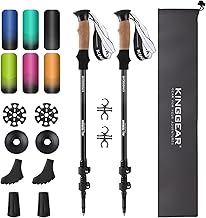
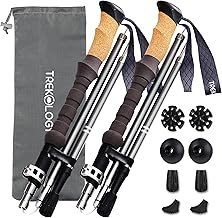
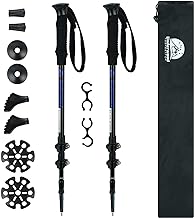
Beyond the carrier itself, the rest of your kit matters more than rookie hikers realize. A baby adds 15-25 pounds of dynamic load that swings with every step, multiplying the impact on your knees, hips, and post-partum core. The smartest trail moms pair their pack with collapsible trekking poles that absorb downhill braking force and reduce knee compression by up to 25% per stride. We've curated three pole sets below that pack down small enough to clip onto a child carrier's side compression straps.
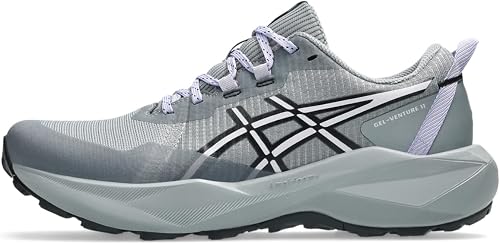
Comparison Table: Best Trekking Poles for Hiking Moms in 2026
| Product | Material | Pack Down | Best For |
|---|---|---|---|
| Nordic Lightweight 7075 Aluminum Trekking Poles | 7075 Aluminum | Telescoping | Daily training hikes & day trips |
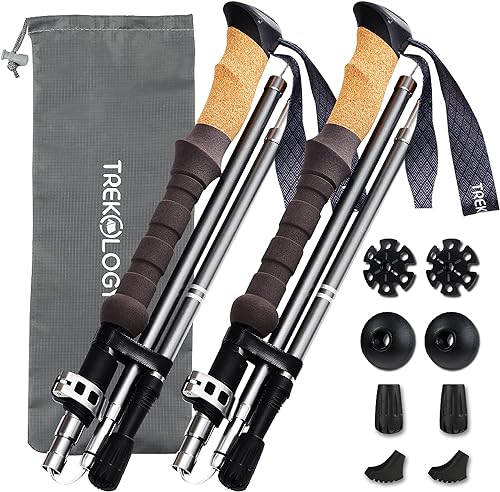
| TREKOLOGY Trek-Z Cork Grip Folding Poles | Aluminum, cork grip | Folds to ~15" | Long-day mom-and-baby outings |
| Collapsible Aluminum Trekking Poles, 2-Pack | Aluminum | Telescoping | Budget-friendly second pair |
Nordic Lightweight 7075 Aluminum Trekking Poles
The Nordic 7075 set is our top trail-support pick for moms who hike multiple times per week. The 7075-grade aluminum is the same alloy used in aerospace applications — it gives you the strength to brace against a stumble while carrying a 20-pound infant pack, without the brittleness or cold-weather flex of cheaper 6061 poles. Quick-lock cams hold their adjustment even when you've been hammering down a 2,000-foot descent, and the foam grips extend low enough on the shaft that you can shorten your hand position on steep climbs without re-locking. The fixed-length micro-adjustment range pairs well with most front and rear infant carriers and lets a hiking partner borrow them without re-fitting from scratch. Check the current price on Amazon.
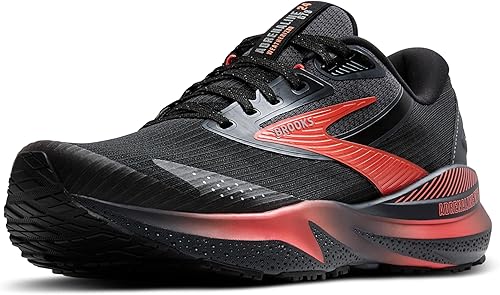
TREKOLOGY Trek-Z Cork Grip Folding Trekking Poles
The TREKOLOGY Trek-Z is the pole most likely to actually come on the trail with you — and that matters, because the best pole is the one you don't leave at the trailhead. The Z-fold mechanism collapses each pole to roughly the length of a baby bottle, easily stowing in a backpack side pocket or clipping to your hip belt when you're hands-on with the carrier. The cork grip is the single best material for nursing moms: it wicks the sweat that pools under your palm when body temperature rises during letdown, doesn't slip when you're flushed, and warms quickly on cold mornings. The internal shock-cord assembly means deployment takes under three seconds — useful when you need to free both hands fast to reach a fussy baby. View on Amazon.
Collapsible Aluminum Trekking Poles, 2-Pack
If you're hiking with a partner who also needs poles — or you want a backup set to keep in the car for spontaneous outings — this 2-pack delivers two complete pole sets at a price that's hard to beat. The collapsible aluminum design isn't as featherweight as the Nordic 7075 model, but for casual stroller-to-trail conversions or short fire-road hikes with baby, the weight difference is negligible. We especially recommend this set as a first-poles purchase for moms transitioning back to hiking post-partum who aren't yet sure how often they'll use them. See the 2-pack price.
Pairing Your Pack With a Nursing Workflow
Nursing on the trail is straightforward once you've practiced it twice. Find a flat spot, ground the pack on its kickstand, and unclip the chest strap of your own harness BEFORE you unbuckle baby — this prevents the empty pack from springing back into your face when load shifts. Most moms find a two-layer top works better than a dedicated nursing tank: a loose-fitting outer layer that pulls up, with a stretchy bra or camisole underneath that pulls down. This avoids the cold-back problem of fully untucked shirts and keeps trail dust off your skin.
Carry a small dry bag with one nursing pad reload, a hand sanitizer, and a microfiber cloth for cleanup. If you're combo-feeding, an insulated bottle pouch goes in the pack's hydration sleeve alongside your water bladder — the cold water keeps formula or pumped milk in safe-storage range for up to four hours on cool days. Plan your hike timing around feeds: aim to start a feed at the turnaround point of an out-and-back, so you're rested before the return leg's elevation gain.
Sizing and Fit Checks Before First Trail Use
The single most common fit mistake new mom hikers make is wearing the carrier too high. The infant cockpit should sit so baby's head is at YOUR shoulder line — not above it. This keeps weight centered over your hips (where your skeleton can carry it) instead of cantilevered off your shoulders (where soft tissue does the work). Tighten the hip belt first, then the shoulder straps, then the load-lifters at the top. The sternum strap should sit one inch above your bra band, NEVER across the breast tissue itself.
Take a 15-minute loaded walk around your block before the first real trail outing. Stop and check for any pressure points along the shoulder seams or hip belt curves. Adjust before you're three miles in, not after.
Trail Selection for First Outings
Pick trails with frequent flat exit points for your first few breastfeeding hikes. Loop trails under three miles with multiple bench locations let you nurse on a schedule instead of pushing through to a destination. Avoid exposed ridgelines for the first month — wind exposure during nursing chills both you and baby fast, and shade trees are the unsung hero of trail nursing. For pole route choices on gentler terrain, see our breakdown on best trekking poles for beginner hikers.
What to Pack Beyond the Backpack
A complete trail-nursing kit fits in under 4 liters of pack space: one nursing cover (or use a muslin swaddle that doubles as a sun shade), two diapers, a small wet bag, an extra onesie, your own snack with at least 400 calories and 12g protein (nursing burns 500+ extra calories a day), and a 32 oz water bottle in addition to your hydration bladder. Skip the wipes warmer and breast pump — both are home gear. A pacifier on a leash, sunscreen stick (faster than lotion), and a thin shell jacket for baby round out the kit.
If you're hiking solo with baby, leave a route and ETA with a person at home, and carry an offline trail map. Cell coverage in canyon and forest areas is unreliable, and you don't want to lose GPS mid-feed. We cover navigation gear in detail in our 2026 lightweight day pack guide.
Frequently Asked Questions
What size hiking backpack works best for a breastfeeding mom carrying an infant?
For day hikes, a 25-35 liter framed child carrier provides enough space for baby plus a full nursing kit and water. Multi-day trips push you into the 50-65 liter range, but most breastfeeding moms find single overnight trips with an infant are the practical ceiling — anything longer compromises milk supply rhythm. Avoid sub-20-liter carriers for hikes over two hours; you'll end up clipping gear to the outside and unbalancing the load.
Can I use a regular hiking backpack with a soft-structured infant carrier in front?
Yes, but only for short, flat trails. The front-carrier-plus-backpack stack puts you 30+ pounds heavier with weight on both sides of your spine, and the rear pack pulls your shoulders back into the carrier's straps, often causing the front carrier to ride up under your chin. For any hike over an hour or with elevation change, a single integrated framed child carrier (rear-mount) distributes weight far better. If you must double-stack, keep the rear pack under 10 pounds.
How do I nurse without taking off my hiking backpack?
You don't — at least not with a rear-mount infant carrier. The safest approach is to ground the carrier on its built-in kickstand, unbuckle baby and move them to your front for the feed, then re-load when finished. Some moms with a hiking partner pass baby between them mid-trail. The "nurse while wearing" technique works only with soft front carriers and isn't recommended on uneven terrain because of trip risk.
Are trekking poles worth it for hiking with a baby?
Absolutely — and this isn't a minor benefit. Carrying a child carrier raises your center of gravity by 4-6 inches and adds 15-25 pounds of dynamic load. Trekking poles reduce knee compression on descents by approximately 25% per stride and dramatically improve balance recovery if you stumble. Folding poles like the TREKOLOGY Trek-Z stow easily when you need both hands for baby. For a deeper breakdown of pole technique, see how to use trekking poles with a child carrier.
What hip belt features matter most for post-partum hikers?
A wide (5+ inch), padded hip belt with adjustable angle is non-negotiable. Post-partum bodies — especially in the first six months — still have relaxin in the connective tissue, meaning your pelvis is more mobile than pre-pregnancy. A thin or narrow belt concentrates load on the iliac crest and can cause SI joint pain. Look for belts with separate lumbar pads and dual-pull adjustment that you can tighten on the fly as your fluid weight shifts during a long hike.
How soon after giving birth can I hike with an infant carrier?
This is a personal medical question — clear it with your provider — but general guidance: most uncomplicated vaginal births allow short, flat carrier hikes by 6-8 weeks post-partum, building to elevation by 12-16 weeks. C-section recovery typically pushes the loaded-carrier timeline to 12+ weeks minimum. Baby's neck control (usually 4 months) is required for most framed rear carriers. Start with 30-minute flat walks and add 15 minutes per outing.
What's the best way to keep baby cool during summer trail nursing breaks?
The combo that works: a UPF 50+ sun canopy on the carrier, a damp microfiber cloth on baby's neck during nursing breaks (re-wet from your hydration bottle), and timing your hike for 7-10 AM starts. A small battery-powered clip fan helps in still air. Hydrate aggressively yourself — your milk supply is the first thing to drop when you're under-hydrated, and trail air dehydrates you faster than you notice.
The right hiking backpack for breastfeeding moms is the one that gets you outside more often, not the one with the most features. Start with whatever framed carrier fits your torso well, add a pair of trekking poles for stability, and dial your nursing kit down to the four-liter essentials. The trail rewards moms who keep showing up.
Key Takeaways
- Choosing the right hiking backpack for breastfeeding moms means matching capacity and output ports to your actual devices
- Always check actual watt-hours (Wh), not just watts — runtime depends on Wh, not peak output
- Also covers: nursing friendly daypack
- Also covers: hiking with baby carrier combo
- Also covers: breast pump hiking pack
- Compare price-per-Wh across models to find the best value for your budget