If you sweat through three shirts before mile six, you already know that a generic running pack will only make things worse. The best hydration vest for hyperhidrosis runners in hot, humid weather is one built around aggressive mesh ventilation, hydrophobic foam padding, flatlock or bonded seams, and a torso-hugging fit that does not flap when soaked. In short: you want a vest that behaves like a wicking shirt with bottle pockets, not a saturated sponge strapped to your chest. Below we break down exactly what to look for, why standard packs fail people with excessive sweating, and the complementary trail gear that actually pairs well with a sweat-soaked summer run.
Why hyperhidrosis changes the hydration-vest math
Top Picks
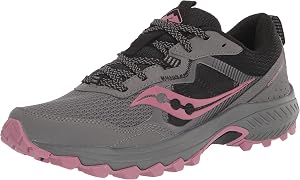
For an average runner, a hydration vest mostly needs to carry water, gels, a phone, and maybe a shell. For someone with primary or secondary hyperhidrosis, the vest is also a thermoregulation device. Every gram of fabric that holds moisture against the skin is a gram that does not evaporate, and evaporation is the only meaningful way the human body sheds heat once ambient temperatures climb into the upper 80s with high dew points. A vest that retains sweat keeps your core hotter, accelerates dehydration, and dramatically increases chafe risk in the sternum, underarm, and lower-back contact zones.
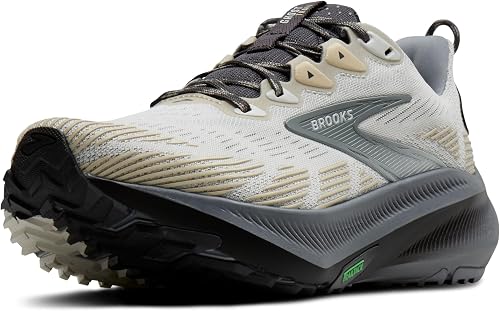
The other variable is salt. Heavy sweaters typically lose 1,200–2,000 mg of sodium per liter of sweat, versus 400–800 mg for average sweaters. When that salt dries into vest fabric, it crystallizes against the skin and acts like fine-grit sandpaper. A hydration vest for hyperhidrosis use needs to be easy to rinse, fast to dry, and free of inner seams that trap salt crusts. Cheap vests cut corners on exactly these features.
The seven features that actually matter
1. Open-mesh body panel coverage above 70%
Look for a back panel and side wings made primarily of large-aperture spacer mesh (the kind you can almost see through). Solid softshell back panels, however “breathable” the marketing claims, trap heat. The Salomon ADV Skin, Nathan Pinnacle, and Ultimate Direction Race Vest 6.0 lines all moved to 3D spacer mesh in their 2024–2026 updates specifically because heavy sweaters complained about heat buildup on the spine.
2. Hydrophobic, closed-cell foam (not open-cell sponge)
Closed-cell EVA or hydrophobic PU foam absorbs almost zero water. Open-cell foam, common in budget vests, soaks up sweat like a kitchen sponge and stays heavy for hours. Squeeze the shoulder padding in-store; if it springs back wet, walk away.
3. Bonded or flatlock seams in the sternum and underarm zones
Traditional overlock seams have a raised ridge that sits exactly where your chest strap pulls. Soak that seam in salty sweat for two hours and you have a bleeding hot-spot. Bonded seams (heat-welded, no thread) and proper flatlock construction stay smooth even when saturated.
4. Soft flask pockets that release water vapor
Front soft-flask pockets with perforated or laser-cut fabric let condensation escape from cold water bottles. Sealed front pockets trap moisture against your chest, which sounds minor until you realize it is the number-one cause of nipple chafe in humid races.
5. Adjustable sternum straps with elastic give
Hyperhidrosis runners often size up because they assume more airflow equals less heat. The opposite is usually true: a loose vest bounces, the wet fabric drags across the skin, and you generate friction burns. The fix is a snug vest with elastic sternum straps that absorb breath expansion. Look for two adjustable sternum straps minimum, with a stretch panel of at least 2 inches of give.
6. Easy-rinse construction
You will hose this vest down after every long run. Vests with welded bladder sleeves, removable storage liners, and minimal foam padding rinse clean in under a minute. Vests with stitched-in pockets and dense padding hold salt forever and stink within two weeks.
7. Reservoir compatibility plus dual front bottles
For 90+ degree humid runs, a 1.5L reservoir on the back plus two 500ml front flasks is the sweet spot. The rear bladder carries plain water for cooling pours over your head; the front flasks carry electrolyte mix you actually want to drink. Trying to do both from one container leads to sticky bladder hoses and undertreated sodium loss.
Fit, capacity, and sizing for heavy sweaters
Most vest brands publish a chest measurement range. Heavy sweaters should aim for the upper third of that range when measured cold and dry, because the vest will not stretch as it soaks (synthetic mesh actually contracts slightly when wet). A 5L vest fits the typical sub-marathon training run; a 6–12L vest covers ultra distances where you also need to carry a rain shell and extra electrolyte capsules. Anything above 12L is overkill unless you are running unsupported beyond 50K.
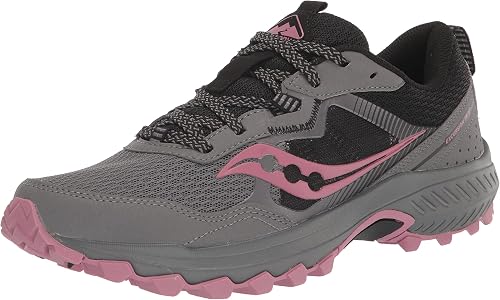
Women-specific cuts now exist from every major brand and are not just a marketing exercise; the sternum strap angles, bust darts, and shoulder yoke geometry are genuinely different. If you sweat heavily and have a bust, a women-cut vest will almost always chafe less than a unisex small.
Comparison: what to demand from any vest you consider
| Feature | Baseline (skip) | Good (most runners) | Hyperhidrosis tier (you) |
|---|---|---|---|
| Back panel ventilation | Solid softshell | Partial mesh | 3D spacer mesh, 70%+ open |
| Padding | Open-cell foam | Mixed | Closed-cell, hydrophobic |
| Seams at sternum | Overlock | Flatlock | Bonded / welded |
| Front flask pockets | Sealed nylon | Stretch mesh | Laser-perforated stretch |
| Reservoir capacity | None or 1L | 1.5L | 1.5L + 2x 500ml soft flasks |
| Drying time after rinse | 6–12 hours | 3–5 hours | Under 2 hours hung outdoors |
| Reflective for evening runs | Minimal logo | Side panels | 360-degree elements |
Anti-chafe protocol that pairs with the right vest
No vest, however well-engineered, fully prevents chafing if you sweat 1.5+ liters per hour. Pair the vest with a silicone-based balm (not petroleum) on the sternum, underarm, and lower-back contact lines. Petroleum-based products degrade synthetic mesh over time and trap heat. Reapply at every long aid station. For very long efforts, a thin nipple-cover or KT-tape strip under the sternum straps prevents the most common chafe injury reported by ultra runners in humid races.
For more on this, see our guide on how to prevent chafing on ultramarathon distances, which covers lubricants, tape strategies, and post-run skin recovery.
Hydration and electrolyte strategy
A great vest is wasted if you under-fuel. Hyperhidrosis runners typically need 800–1,500 mg of sodium per hour during hot humid efforts, often double the standard sports-drink recommendation. Carrying plain water in your rear reservoir for evaporative cooling pours, and a concentrated electrolyte mix in front flasks, is the cleanest separation. Our deep dive on electrolyte tablets for heavy sweaters walks through sodium dosing for different body weights and sweat-loss profiles.
What about cooling base layers under the vest?
A common mistake is wearing a thick technical tee under the vest, hoping it will “wick more.” In humid conditions, thicker fabric just holds more moisture. Heavy sweaters do better with a featherweight (sub-130 GSM) mesh singlet or, in many cases, no shirt at all under the vest for men, with chamois balm applied to all contact points. For a full rundown, our breakdown of cooling base layers for hot weather running covers Polartec Delta, ColdBlack, and phase-change fabrics that genuinely move the needle versus standard polyester.
Complementary trail gear for long humid efforts
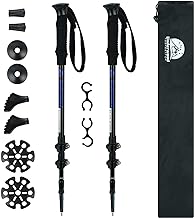
Hydration is one variable in the larger heat-management equation. On technical or steep terrain, trekking poles meaningfully reduce arm swing, distribute weight off overheating leg muscles, and let you maintain pace without spiking core temperature. Heavy sweaters tend to fatigue earlier in heat, and pole assist can be the difference between finishing strong and shuffling the last 10K. Three options pair well with most ultra-capacity vests:
Nordic Lightweight 7075 Aluminum Trekking Poles
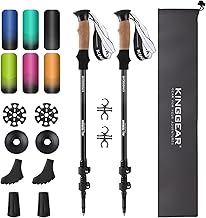
A genuinely lightweight 7075-aluminum set built for runners who want pole assist on climbs without lugging gram-heavy carbon. The 7075 alloy is the stiffest aluminum grade commonly used in trekking poles, so they handle hard plants on rocky descents without flex. They collapse short enough to stash diagonally across the back of most 6–12L hydration vests. View on Amazon
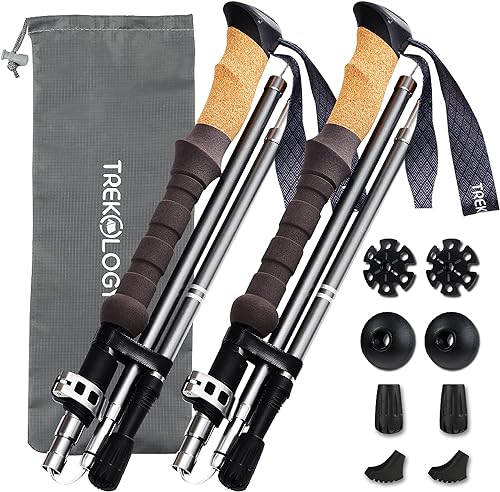
TREKOLOGY Trek-Z Cork Grip Folding Trekking Poles
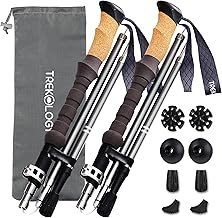
Cork grips matter more than runners realize when sweat is the limiting factor. Cork wicks palm moisture far better than EVA foam or rubber, and it stays grippy when soaked. The Trek-Z folding design also packs down small enough to fit inside most rear hydration-vest stash pockets, so you can stow them on flats and deploy them on climbs without stopping. Strong pick for heavy sweaters specifically because of the grip material. View on Amazon
Collapsible Aluminum Trekking Poles, 2-Pack
If you train in multiple environments or share gear with a running partner, the 2-pack collapsible aluminum set is a budget-friendly way to keep a backup pair in the car. They are not ultralight, but they are durable and field-replaceable. View on Amazon
For a deeper breakdown of pole geometry, locking mechanisms, and tip selection, see our trail running pack and pole fit guide.
Care, washing, and odor control
A heavy-sweater vest needs a rinse after every run and a real wash every 3–5 sessions. Rinse: cold water, no soap, hang inside-out in shade. Wash: turn inside out, zip all closures, use a sport-specific detergent (Nikwax Tech Wash, Nathan Power Wash, or similar), cold cycle, no fabric softener, never tumble dry. Heat kills the durable water repellent treatments on the mesh and degrades elastic. Expect 18–36 months of hard use before the elastic gives out; replace before the sternum strap tension drops below comfortable, because a sloppy vest is a chafing vest.
Frequently Asked Questions
Can a hydration vest make hyperhidrosis worse?
A poorly ventilated vest absolutely can. Solid back panels trap heat against the spine, reduce evaporation, and elevate core temperature. The fix is a vest with 70%+ open spacer mesh on the back panel and side wings, not skipping the vest entirely. Going without hydration in humid heat is far more dangerous than the heat trapped by a well-ventilated pack.
What is the best fabric for a hydration vest in 90% humidity?
Spacer mesh polyester with a hydrophilic inner face and hydrophobic outer face is the current gold standard. The inner pulls sweat off the skin; the outer pushes it to the open air where it can evaporate. Avoid nylon-heavy constructions in humid conditions: nylon absorbs about seven times more water by weight than polyester and stays heavy.
How much water should a hyperhidrosis runner carry per hour in hot humid weather?
Plan on 750ml to 1 liter per hour as a baseline, scaling up with body weight and effort. A 180-pound runner doing a 4-hour humid ultra section should carry at least 2.5L on the vest and refill at every aid opportunity. Always pair with sodium: water alone causes hyponatremia in heavy sweaters faster than most people realize.
Are women-specific hydration vests worth it for heavy sweaters?
Yes, and not just for bust accommodation. The shoulder yoke angle, sternum strap height, and back panel length on women-cut vests reduce the surface area where sweat pools. For most female heavy sweaters, a women-cut size small or medium fits dramatically better than a unisex extra-small.
Should I size up my hydration vest if I sweat heavily?
No. Counterintuitively, you want a snug fit. A loose vest bounces, and bouncing wet mesh against bare skin causes friction burns within an hour. Size for a firm chest hug at rest, then trust the sternum strap stretch panels to handle breath expansion.
How do I stop salt buildup on my hydration vest pockets?
Rinse in cold water immediately after every run, even if you cannot do a full wash. Salt that dries into the fabric crystallizes and is much harder to remove later. For visible salt rings, soak the affected section in lukewarm water with a tablespoon of white vinegar for 15 minutes, then rinse and air-dry.
Is a hydration belt a better choice than a vest for hyperhidrosis runners?
Usually no. Belts concentrate sweat on a small contact band at the lower back and hips, which is one of the worst chafing zones for heavy sweaters. A well-ventilated vest distributes contact pressure over a much larger area and breathes far better, even though it covers more surface. Belts only outperform vests for sub-90-minute runs in mild weather.
How long should a hydration vest last for a heavy sweater?
With proper rinsing and washing, expect 18–36 months of regular use. The first failure point is usually the sternum strap elastic losing tension, followed by mesh fatigue on the back panel. If you train year-round in humid heat, plan to replace the vest sooner; salt corrosion accelerates fabric wear noticeably.
Key Takeaways
- Choosing the right hydration vest for hyperhidrosis means matching capacity and output ports to your actual devices
- Always check actual watt-hours (Wh), not just watts — runtime depends on Wh, not peak output
- Also covers: heavy sweater running vest
- Also covers: moisture wicking trail vest
- Also covers: hyperhidrosis trail running
- Compare price-per-Wh across models to find the best value for your budget